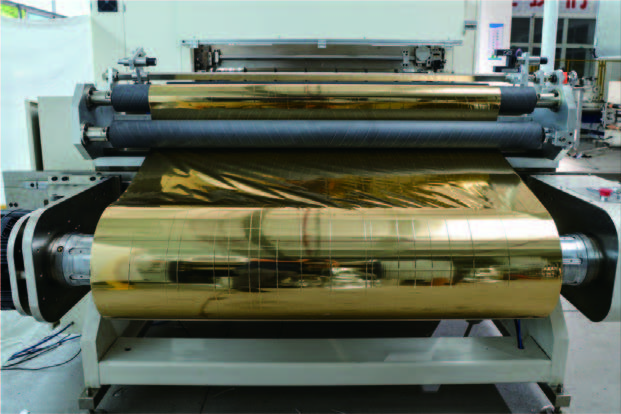
On the hot stamping foil production line, one of the most troublesome issues is the slitting machine going astray. Even if the previous roll was cut fine, after changing the roll, the foil strip suddenly starts to "snag" side to side, turning the winding end face into a "tower" or "bell-mouth" shape. At best, this can result in uneven edges and material waste; at worst, it can damage blades or cause the entire machine to shut down. The problem of deviation may seem complicated, but as long as you check in the right order, most cases can find the root cause within 15 minutes.
1. Typical "Symptoms" of Going Off Track
Deviations are not always the same; different manifestations correspond to different causes:
| Types of expression | Typical characteristics | Common triggers |
| Overall offset | The overall foil strip deviates from the centerline and is offset to one side | Difference in parallelism between uncentered and guide roller after rolling |
| Periodic oscillation | The foil ribbon swings back and forth in a patterned pattern | Uneven end face of the busbar, air leakage on the expansion shaft |
| Gradual deviation | The more it runs, the more it deviates, with the situation worsening on one side | Correction system failure, improper winding taper setting |
Observing the "rhythm" of deviation is the first step to quickly locating faults.
2. The Five Major "Culprits" of Deviation and Their Solutions
1. Guide roller parallelism—the most basic yet easily overlooked
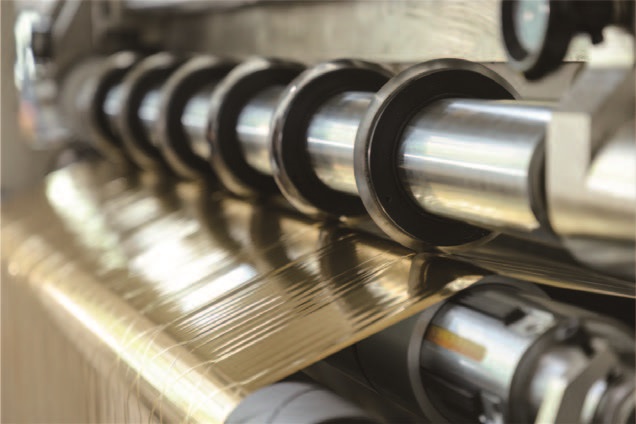
Hot stamping gold foil requires multiple sets of guide rollers such as unwinding, pulling, slitting, and rewinding. If even one guide roller is not parallel, the foil belt will automatically shift to one side, just like a tilted steering wheel while driving.
Solution: Use a laser centering instrument or wire pulling method to check the parallelism of the guide rollers one by one, keeping the deviation within 0.2mm/m. At the same time, check whether the guide roller surface is unevenly worn or if foreign objects are attached.
2. Correction system failure—"Blind" means the path will naturally go astray
The correction system acts as the "eyes" of the slitting machine, with photoelectric or ultrasonic probes monitoring the edge position of the foil strip in real time. The probe lens is blocked by foil chips or dust, which is the most common "blind spot" for deviation.
Quick troubleshooting: First, clean the probe lens and make sure the sensor is aligned with half of the foil tape edge. Stir the foil strip by hand and observe whether the correction actuator (electric or pneumatic cylinder) responds quickly. If the response is slow, check whether the guide rail is stuck and whether the air pressure is normal.
Modern intelligent deviation correction systems can achieve an accuracy of up to ±0.1mm, and when combined with PLC control, manual intervention can be greatly reduced. If the equipment is equipped with an electronic fine-tuning mechanism, operators can directly fine-tune the probe position on the winding side without repeatedly resetting the unwinding end.
3. Uneven tension in unwinding—an unstable foundation leads to losses across the board
Insufficient pressure on the expansion shaft or leakage on one side can cause the mother coil to loosen or tilt on the shaft, causing the foil strip to slide laterally during unwinding. Data shows that 80% of on-site tension faults actually stem from poor coordination between the air expansion shaft and the magnetic powder brake.
Key Operating Points:
• Air pressure is set at 0.5-0.7MPa, with pressure dropping by no more than 0.05MPa within 5 minutes after inflation;
• Check whether the output torque of the magnetic powder brake is stable; after long-term use, the current should be appropriately increased to compensate for the degradation of magnetic powder performance;
• Set a taper tension of 15%-30% during winding, so that the outer layer tension decreases as the coil diameter increases, avoiding inner tightness and outer looseness that could cause end-face misalignment.
4. Thrust interference with the slitting knife—the blade belt is off-direction
When the lateral pressure on the upper and lower circular blades is asymmetrical, a lateral thrust is generated that pushes the foil strip to one side. At the same time, when the blade is passed, slitting resistance increases, which can also "pull" the foil belt off course.
Inspection method: Use feeler gauges to check the tool gap to ensure balanced lateral pressure between upper and lower blades. The tool holder locking screws must be tightened regularly to prevent displacement during slitting.
5. The main paper's own flaws—poor foundation
The main roll itself has deviations in the end face, thickness of the "telescope," or uneven internal stress, which will inevitably deviate after installation. Such problems cannot be completely eliminated through equipment adjustments and can only be remedied in the upstream process.
Countermeasure: Rewind the main roll before machine operation to release internal stress, or trim the edges of the excess mother roll first.
3. Systematic Inspection Process (with Golden Mnemonic)
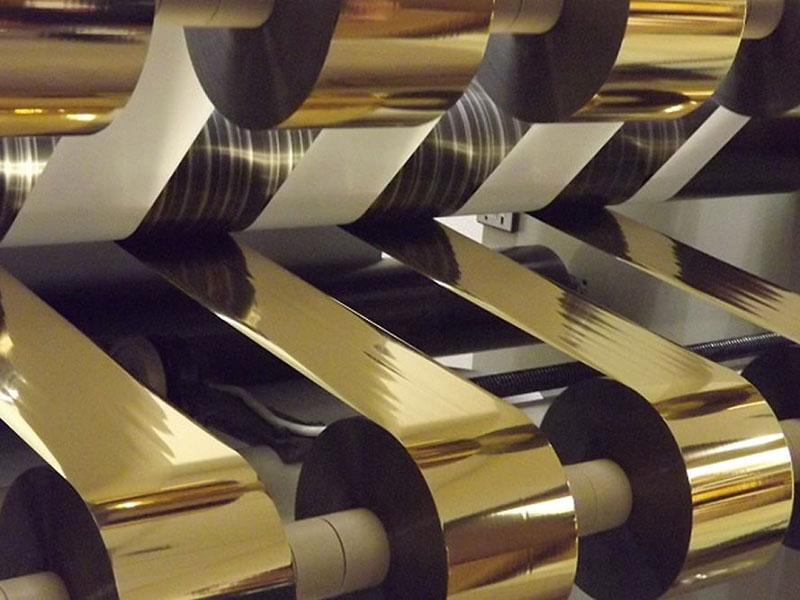
When encountering deviations, it is recommended to follow these steps to "trace the clues":
1. Observe the Direction of Off-Trend: Is the Overall Trend Biased or Cyclical? Determine whether it is a mechanical or material issue;
2. Clean the sensor: "Wipe your eyes first"—dust blocking is the most common blind spot;
3. Idle test: without foil, observe whether each guide roller rotates smoothly and if there is any bounce;
4. Static foil threading: Slowly turn the foil and observe whether the foil path is naturally centered;
5. Segmented isolation: Turn off unwinding correction or winding tension separately to observe if the misalignment disappears, quickly locating fault areas.
Operation mnemonic: "First, check the direction; second, wipe the eye; third, adjust the air pressure; four, calibrate the rollers; fifth, inspect the blade group; sixth, check the taper."
4. Daily maintenance of the "Anti-deviation" checklist
Seventy percent of the misalignment depends on prevention. Establishing the following inspection habits can greatly reduce unexpected downtime:
| Cycle | Maintenance projects |
| Every day | Clean guide roller and correction probe lenses; Check the pressure and seal of the expansion shaft |
| Weekly | Check tool clearance and wear; Tighten the tool holder screws |
| Monthly | Use a level to re-measure the parallelism of the guide roller; Test the correction system response |
| Every quarter | Calibration of tension sensors; Check the clearance of the winding and unwinding bearings |
Conclusion
Misalignment in hot stamping foil slitting is rarely caused by a single cause. The four stages of "tension - guide roller - deviation correction - tool" are closely linked; any problem in any one stage can trigger a chain reaction. By establishing a systematic inspection mindset combined with standardized routine inspections, the vast majority of deviation issues can be resolved within 15 minutes. If repeated deviations cannot be resolved, it is recommended to contact the equipment manufacturer for comprehensive mechanical geometry accuracy testing. This is often due to a fundamental accuracy issue rather than a practical solution.
 English
 Deutsch
 Français
 Español
 Português
 日本語
日本語 русский
 한국어
한국어 عربي
عربي ภาษาไทย
 Tiếng Việt
 Italiano
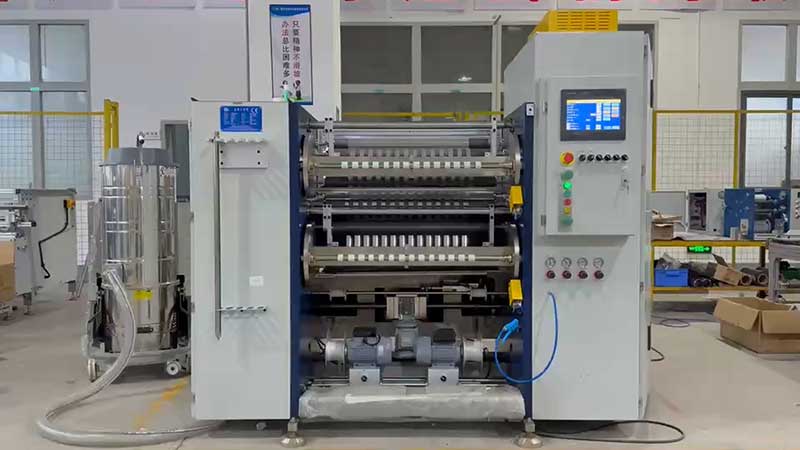
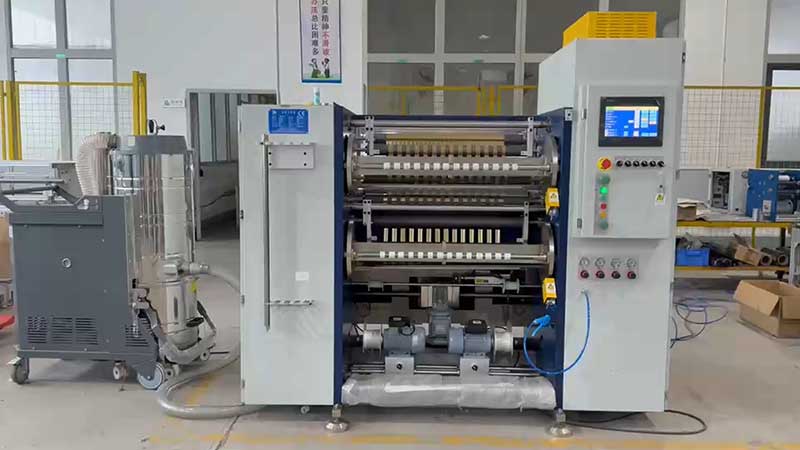
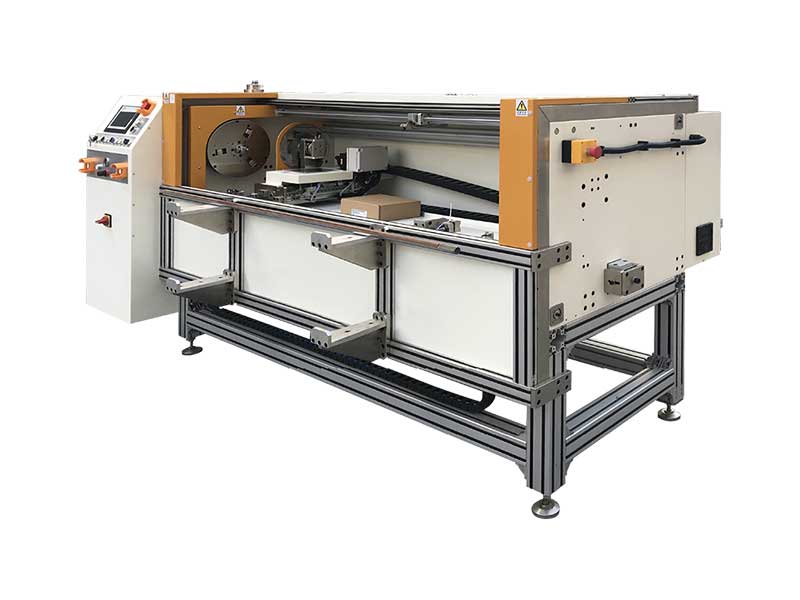 Automatic Foil Roll Cutting Machine
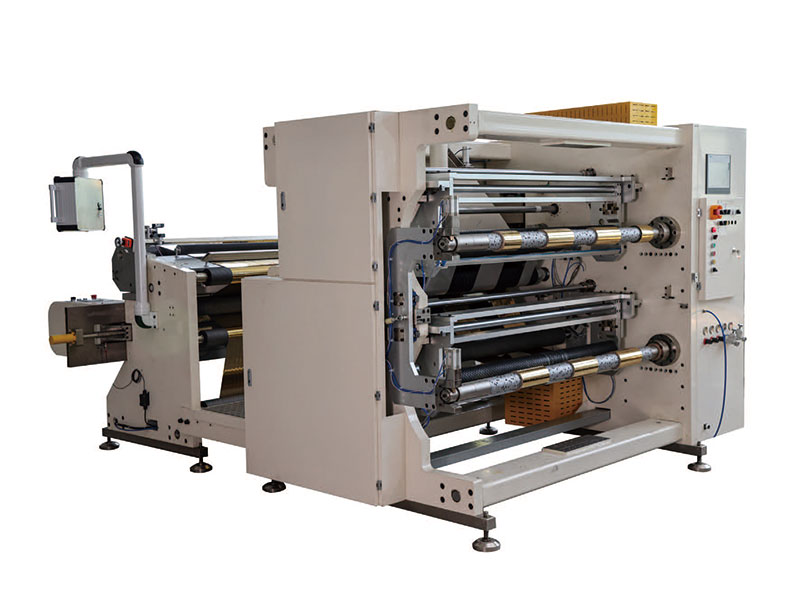 1400mm Hot Stamping Foil Slitting Machine
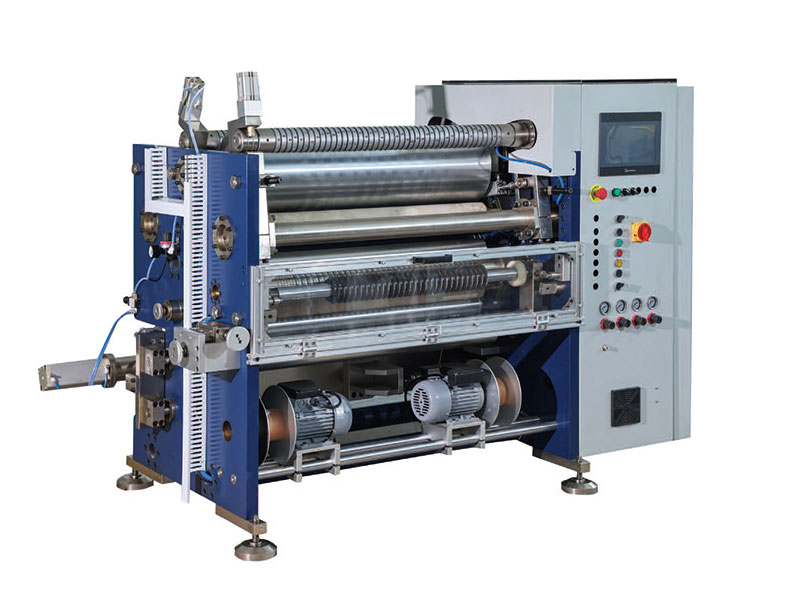 800mm Hot Stamping Foil Slitting Machine
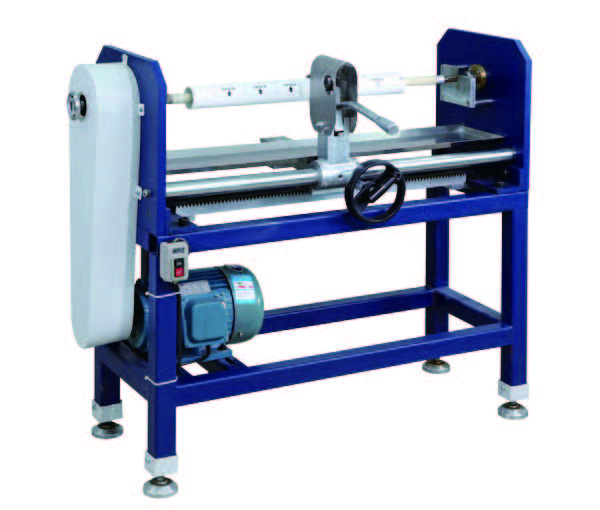 Manual Foil Roll Cutting Machine
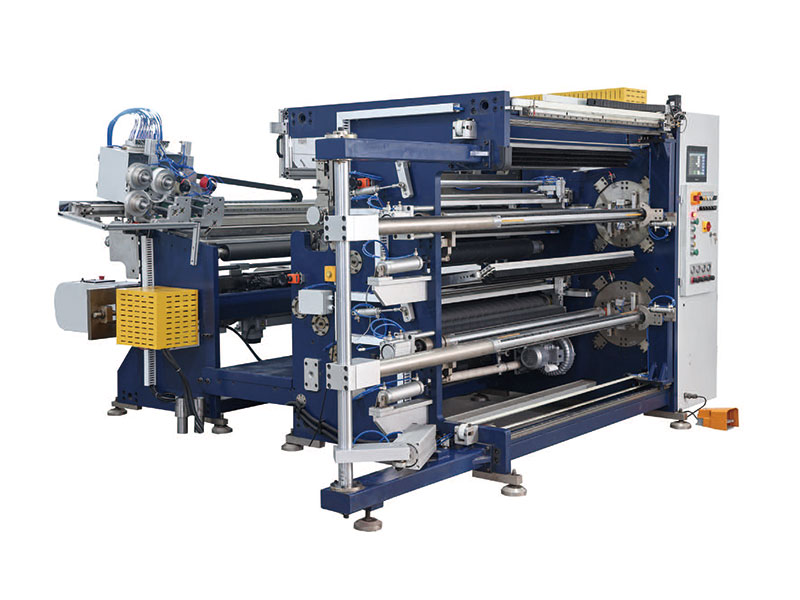 1350mm Hot Stamping Foil Slitting Machine
 Photo & Card Print Ribbon Rewinding Machine
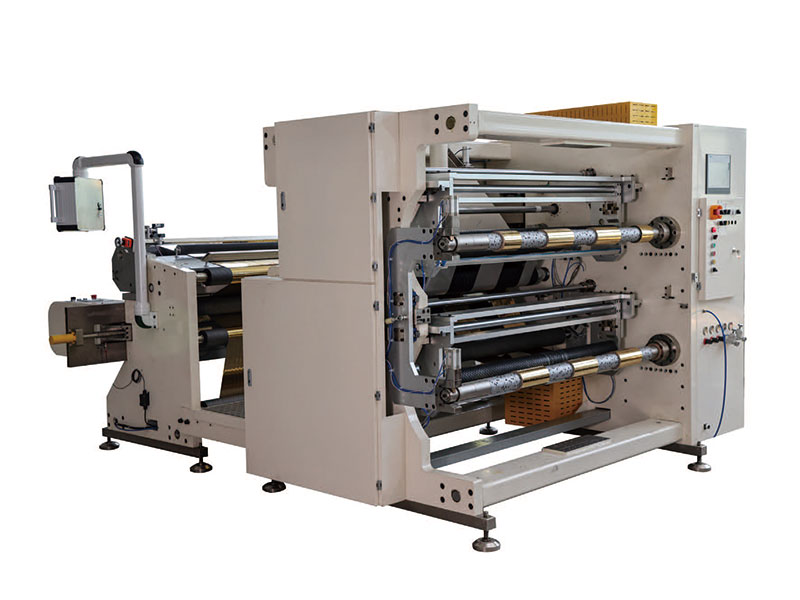 1400mm Copper Foil Slitting Machine
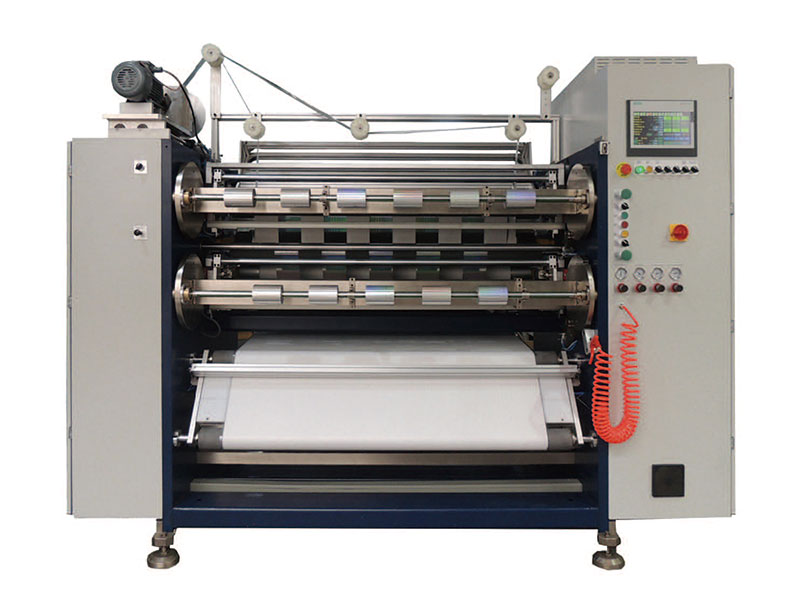 1350mm/1600 Foil Slitting Machine


 +86 135 9951 7291
 support@delishmachine.com