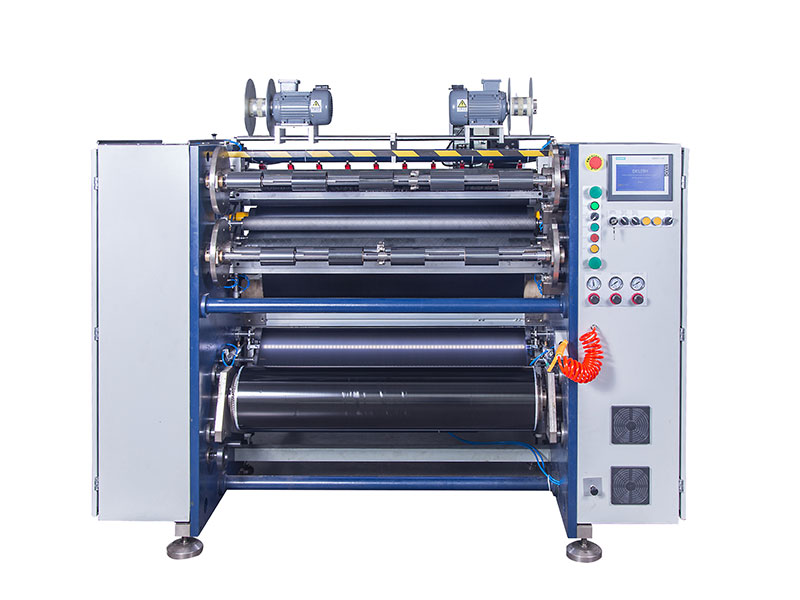
In the field of heat transfer printing, carbon ribbons, as key consumables, have long been overlooked by the industry in their energy efficiency performance during slitting. The energy waste generated by traditional slitting equipment during high-speed operation has become an invisible bottleneck restricting companies from reducing costs and improving efficiency. Now, with breakthroughs in next-generation green slitting technology, saving 30% in overall machine energy is no longer an unattainable goal. This article will deeply analyze the innovative logic behind this energy efficiency revolution from three dimensions: technical principles, structural optimization, and practical application.
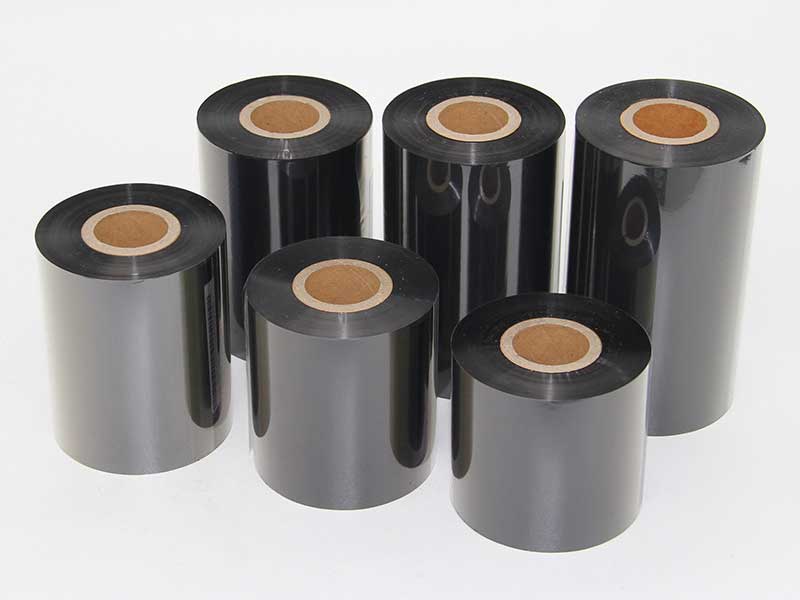
1. From "Heavy Cutting" to "Refined Control": The Core of a Cliff-Drop in Energy Consumption
The main energy consumption of traditional ribbon slitting machines is not driven by the main motor, but by the ineffective losses of the auxiliary system. The new generation of devices reconstructs energy flow through three core technologies:
1. Intelligent variable frequency tension control system
Traditional equipment relies on constant magnetic powder brakes to maintain tension, and regardless of the ribbon coil diameter, the brake always consumes power at full load. The new technology uses direct drive of servo motors + closed-loop control of real-time tension sensors, automatically matching torque output based on the unwinding diameter. Actual measurements show that this single measure saves 65% of electricity in the tension control unit.
2. Adaptive acceleration and deceleration algorithm
For ribbons of different thicknesses (4.5μm~9μm) and widths (20mm~110mm), the system automatically calculates the optimal acceleration curve during rewinding, tail cutting, and speed regulation, avoiding the waste of renewable energy caused by traditional "sudden stops and sudden starts." Combined with supercapacitor energy storage modules, brake energy recovery efficiency is increased to 42%.
3. Optimization of low-pressure cutting air circuits
Pneumatic components such as dust removal knives and pressure roller cylinders during slitting are modified through segmented air supply logic and rapid exhaust valves, reducing compressed air consumption by 28%, indirectly decreasing power loss caused by frequent loading and unloading of air compressors.
2. Mechanical Structure Subtraction: Exchanging Low Resistance Design for High Energy Efficiency
Electrical optimization alone is not enough; the new generation slitting machine has undergone systematic "slimming" on the mechanical level:
• Lightweight blade shaft material: Replacing traditional steel tool shafts with carbon fiber composite shaft cores reduces rotational inertia by 37%, significantly lowering motor load during start-stop phases.
• Oil-free self-lubricating guide rail: The linear guide rail uses polymer coating technology combined with a sealed dustproof structure, reducing the friction coefficient from 0.12 to 0.04. The power of the drive motor for the moving gantry can be reduced by 25%.
• Integrated casting bed: reduces bolted connection structures, increases overall machine rigidity, and lowers additional energy loss caused by vibration (high-frequency vibration causes bearing heating and extra work on the motor).
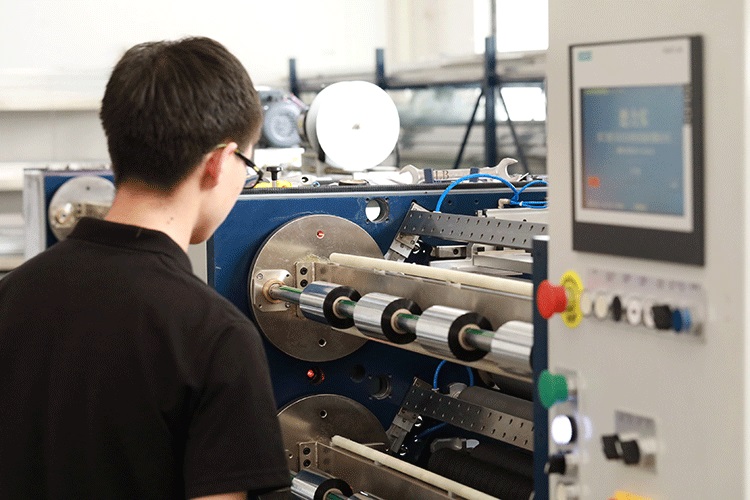
3. Case Study: 30% Energy Savings from Laboratory to Factory
Taking a three-month real-world test comparison of a leading label material company in East China as an example:
| Parameters | Traditional Equipment (Model 1600) | Next-generation slitting machine (G-2000E) | Change |
| Average operating power | 5.2kW | 3.4kW | -34.6% |
| Electricity consumption per ton of carbon tape | 187kWh/t | 126kWh/t | -32.6% |
| Compressed air usage | 0.42m³/min | 0.29m³/min | -31% |
| Unit capacity (m/kWh) | 118m | 166m | +40.7% |
Actual production data shows that based on two shifts per day and 300 days of work per year, a single piece of equipment can save nearly 23,000 yuan in electricity costs annually and reduce carbon dioxide emissions by about 12.8 tons.
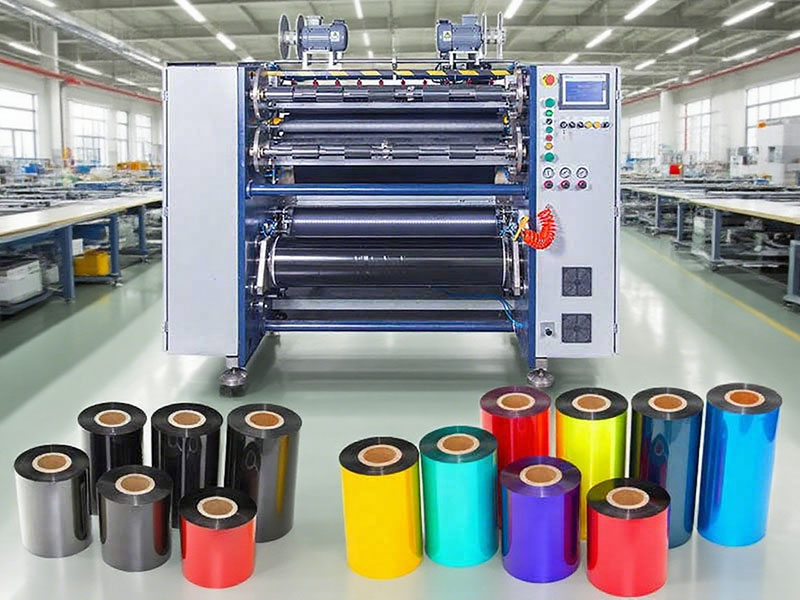
4. More Than Just Energy Saving: The Spillover Effect of Green Technology
The value of saving 30% energy far exceeds the electricity bill:
• Reduced carbon belt loss: flexible acceleration and deceleration minimize tensile deformation, tape break rate drops by 52%, saving about 8,000 yuan per unit in raw material costs annually;
• Extended maintenance intervals: The low-friction design extends the lifespan of bearings and guide rails to 40,000 hours, 1.5 times longer than traditional equipment;
• Noise control: After high-frequency start-stop elimination, the machine's operating noise drops from 89dB to 71dB, improving the working environment.
5. Industry Outlook: Green segmentation will become an entry barrier
With the advancement of the EU Carbon Border Adjustment Mechanism (CBAM) and the domestic "dual carbon" policy, downstream users in the carbon ribbon industry chain (such as logistics, pharmaceuticals, and retail) have already incorporated suppliers' energy consumption indicators into their assessment systems. The new generation of energy-saving cutting machines not only helps cutting enterprises reduce production costs but also provides endorsement for securing green orders.
Technology maturity tip: This technology is now ready for large-scale application. It is recommended that companies focus on three core configurations when replacing equipment—servo direct-drive tension system, carbon fiber blade shaft, and supercapacitor energy storage module. At the same time, old equipment can be partially upgraded to save energy by modifying the drive control system and air circuit, usually recovering the retrofit investment within 6~8 months.
Conclusion
The "30% energy saving" of ribbon slitting machines is not magic, but the inevitable result of optimizing each energy dissipation link by step. As green manufacturing shifts from a slogan to a quantifiable revenue indicator, the new generation of slitting technology is redefining the competitive rules of this niche track. For manufacturing companies, now is a critical window of transition from "usable" to "high-efficiency."
 English
 Deutsch
 Français
 Español
 Português
 日本語
日本語 русский
 한국어
한국어 عربي
عربي ภาษาไทย
 Tiếng Việt
 Italiano
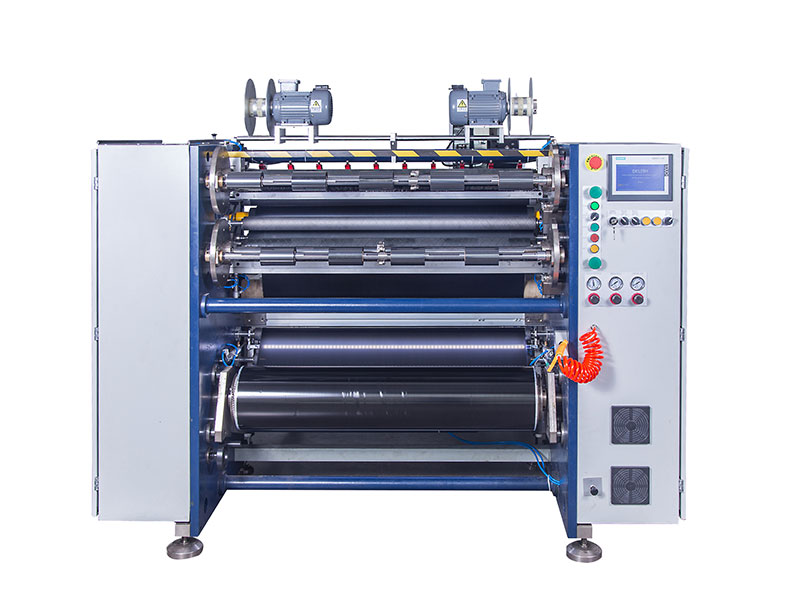
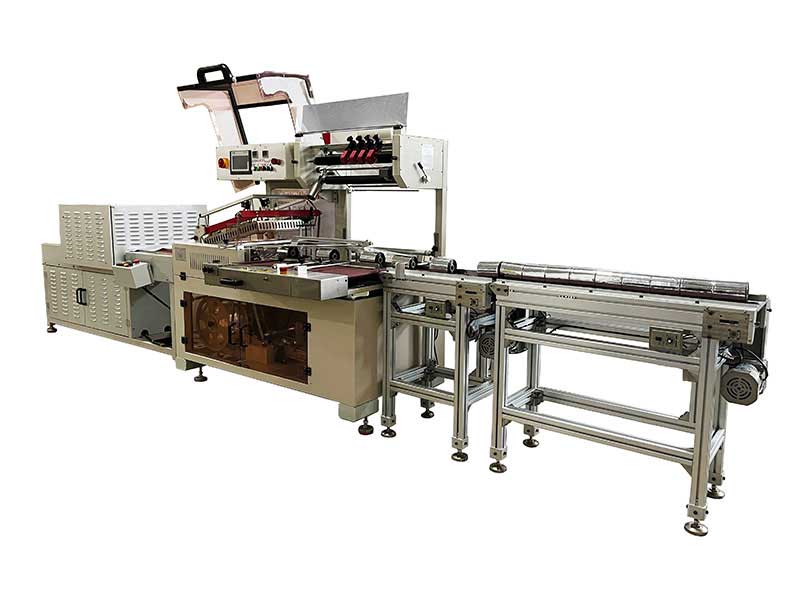 Thermal Transfer Ribbons Packaging Machine
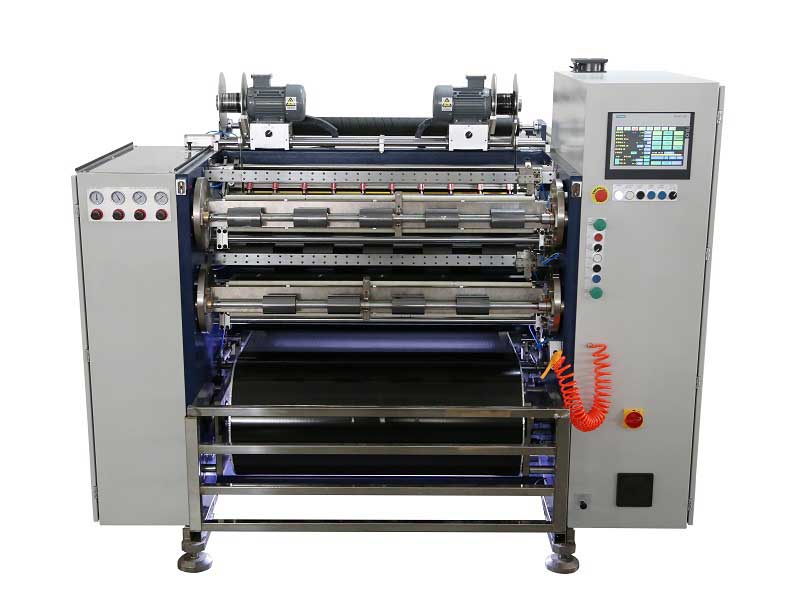 Automatic Thermal Transfer Ribbon Slitting Machine RSDS8 H PLUS
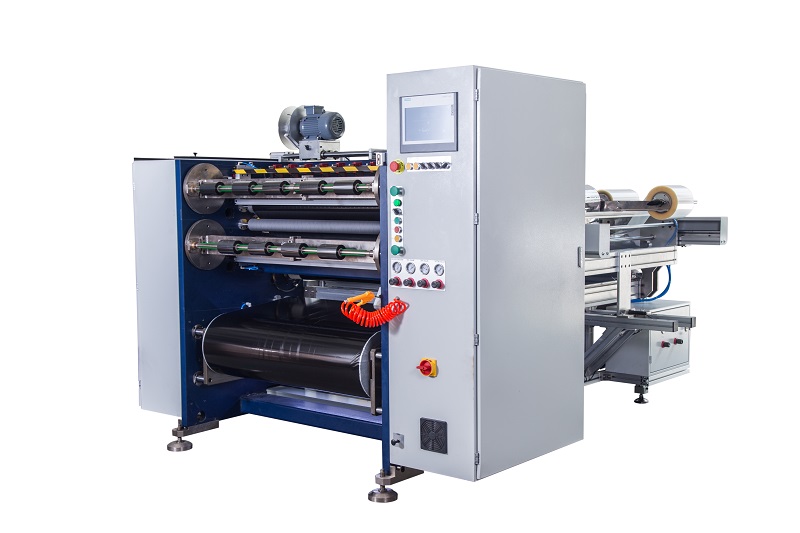 Semi Automatic Thermal Transfer Ribbon Slitting Machine RSDS5 PLUS
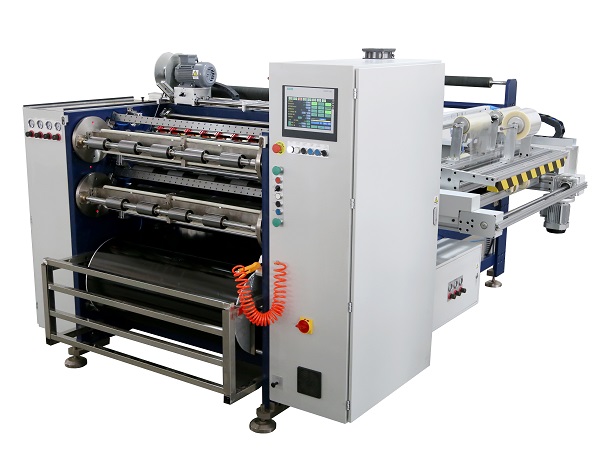 Automatic Thermal Transfer Ribbon Slitting Machine RSDS8 PLUS
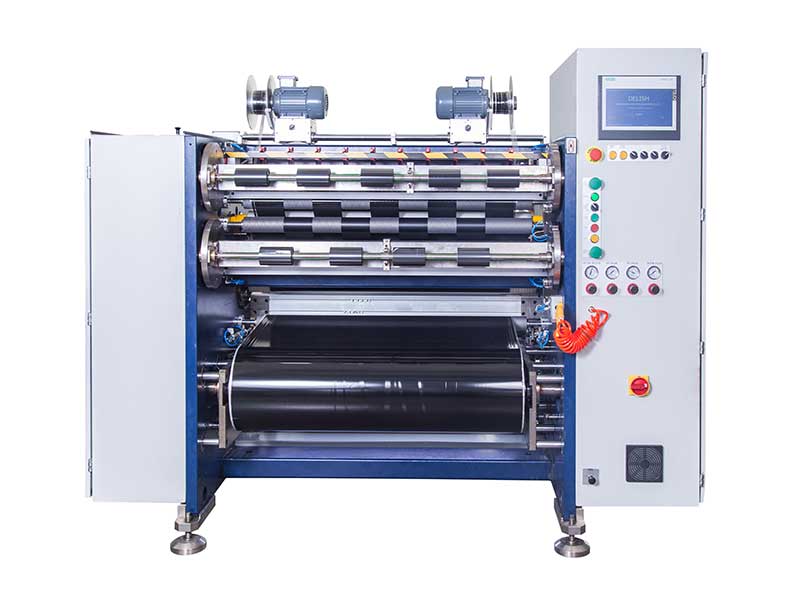 TTR Slitting Machine
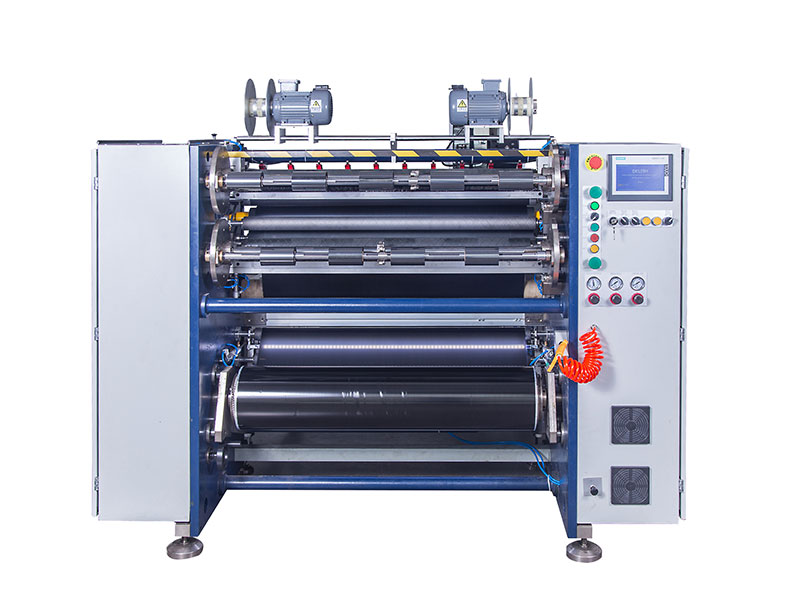 Barcode Ribbon Slitting Machine
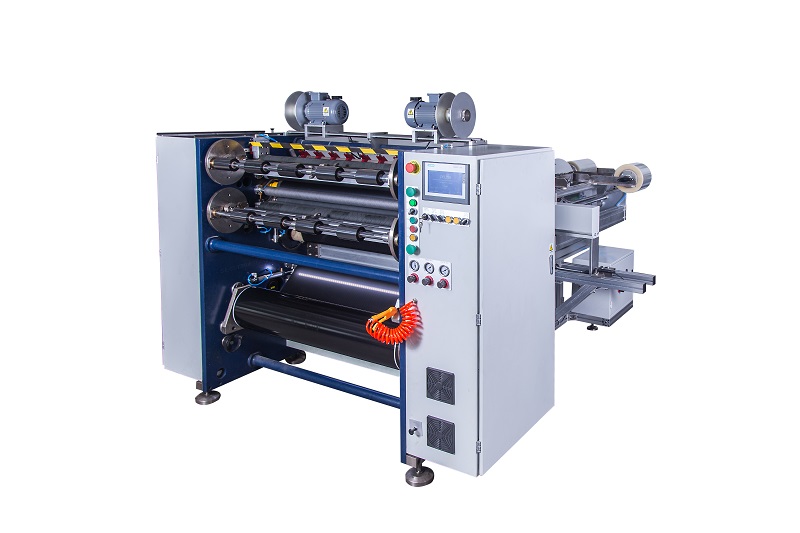 Semi Automatic Thermal Transfer Ribbon Slitting Machine RSDS1 PLUS
 Ribbon Slitting Machine


 +86 135 9951 7291
 support@delishmachine.com