In the film processing industry, the slitting process is a key link determining material utilization efficiency and production cost. Statistics show that material losses caused by insufficient slitting accuracy and improper residual material management can account for more than 30% of total film production losses. How to reduce losses through automatic tool setting technology and systematic leftover material management has become a key issue for companies to enhance competitiveness.
The main source of loss in traditional slitting methods
Traditional film slitting relies heavily on manual operations, presenting three major pain points in losses:
1. Tool setting error loss: When manually adjusting the insert position, accuracy depends on operational experience and can easily result in millimeter-level deviations. For films hundreds or even thousands of meters per roll, even slight width deviations accumulate into considerable area loss.
2. Switching and debugging losses: When switching orders of different specifications, the repeated processes of trial cutting, measurement, and readjustment consume a large amount of film material.
3. Low utilization of leftover materials: After slitting, leftover narrow edge material and core scrap are often directly discarded, resulting in resource waste.
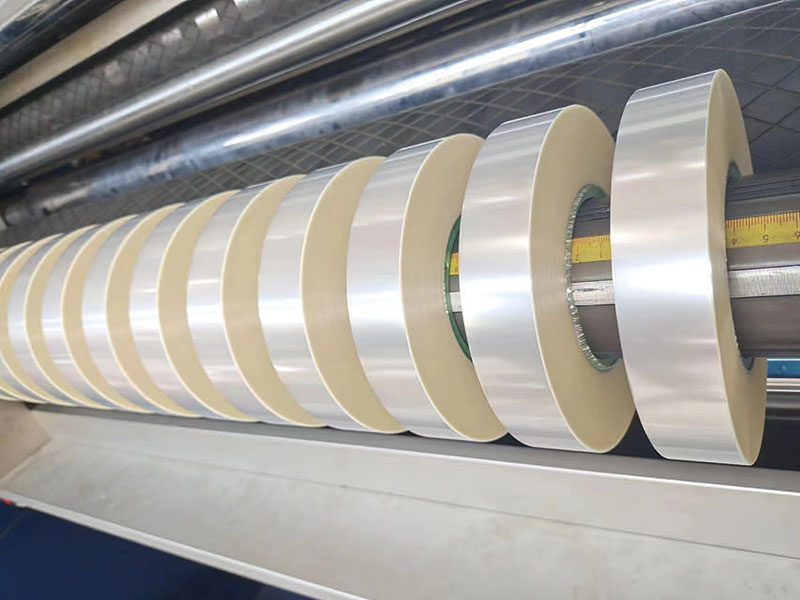
Automatic tool setting technology: reduces slitting errors from the source
Working principle
Modern film slitting machines are equipped with automatic tool setting systems, typically combining servo motor drive with high-precision sensors as a technical solution. The system achieves precise positioning through the following steps:
• Preset parameter input: operators input target slitting width and quantity on the HMI touchscreen
• Automatic positioning calculation: The control system calculates the target position of each blade
• Closed-loop position feedback: Grating scale or magnetic grating scale provides real-time feedback on the actual position of the tool holder, forming closed-loop control
• Automatic locking: After reaching the set position, the pneumatic or hydraulic system automatically locks the tool holder
Precision and efficiency
Automatic tool setting technology can control slitting width accuracy within ±0.1mm, improving 5-10 times compared to manual tool setting (±0.5~1mm). This means that cutting 10 160mm products on a 1600mm wide film can reduce width loss by nearly 20mm per roll, resulting in considerable material savings on an annual production scale.
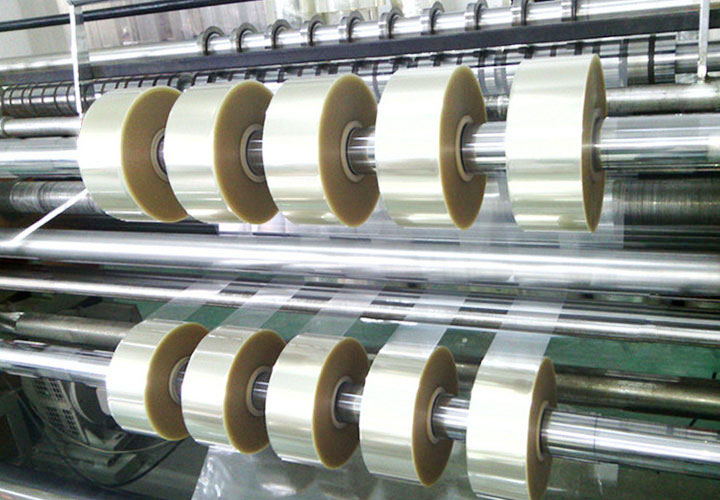
Leftover material management: a systematic project that turns 'waste' into treasure
Sorting and recycling of narrow edge materials
The advanced slitting machine is equipped with a multi-channel winding device that can guide narrow strips generated by trimming on both sides to independent waste reeling shafts. After these narrow trim materials are sorted and collected by material, they can be re-pelletized or sold externally to achieve value recovery.
Secondary utilization of leftover core material
The last few meters of film near the end of slitting often fail due to tension fluctuations. Optimization strategies include:
• Automatic detection of minimum remaining diameter: sensors monitor changes in roll diameter and automatically stop the machine within the safety threshold
• Residue Attachment Function: Automatically attaches leftover film onto the core roll, making it convenient for use in the next process
• Leftover material traceability: The system records the length and material of the leftover material on each roll core, establishing a leftover material database
A digital closed-loop residual material management system
By connecting the automatic tool setting system with the Manufacturing Execution System (MES), it can achieve:
• Automatically calculates material utilization for each slitting order
• Surplus materials are automatically registered as reusable inventory
• Priority matching of available surplus material specifications during subsequent order scheduling
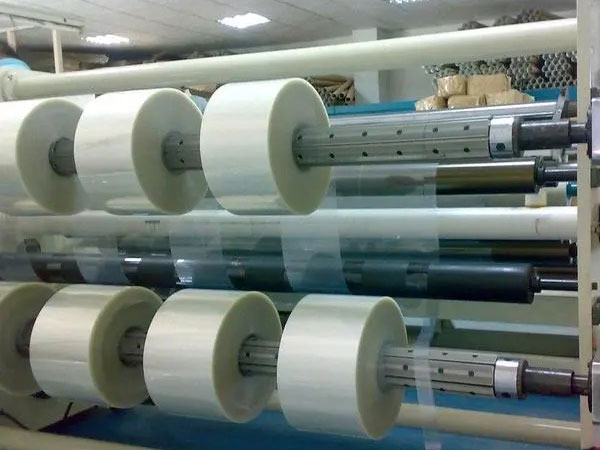
Implementation cases and benefit analysis
After a packaging materials company introduced an automatic tool setting and slitting machine and a leftover material management system, the following improvements were achieved within six months:
| Indicators | Before improvement | After improvement | Reduction |
| Slitting width deviation | ±0.6mm | ±0.08mm | 86.7% |
| Trial cutting and loss of wear | Each unit is about 15 meters | Each piece is about 3 meters long | 80% |
| Margin material recovery rate | 35% | 82% | - |
| Overall material loss rate | 4.2% | 2.3% | 45.2% |
Selection and implementation recommendations
When upgrading slitting equipment, companies are advised to focus on the following:
1. Sensor accuracy: The position feedback components of the tool setting system must have a resolution of at least 0.05mm
2. Rigid tool post structure: The blade must not disposition during high-speed slitting, making the reliability of the locking mechanism crucial
3. Software Compatibility: Ensure the device can exchange data with existing ERP/MES systems
4. Leftover material management function: Prioritize systems with automatic leftover material statistics and inventory reminder functions
Conclusion
Reducing film slitting losses essentially represents a shift from "extensive slitting" to "lean slitting." Automatic tool setting technology solves the problem of "cutting accurately," while the leftover material management system solves the problem of "exhausting use." By combining, the two not only directly reduce material costs, but also decrease the burden of waste disposal and improve overall equipment efficiency (OEE), creating measurable economic and environmental benefits for enterprises. In a market environment where raw material prices fluctuate frequently, this approach of "seeking efficiency through equipment and management" is worth serious consideration and investment by every film processing enterprise.
 English
 Deutsch
 Français
 Español
 Português
 日本語
日本語 русский
 한국어
한국어 عربي
عربي ภาษาไทย
 Tiếng Việt
 Italiano
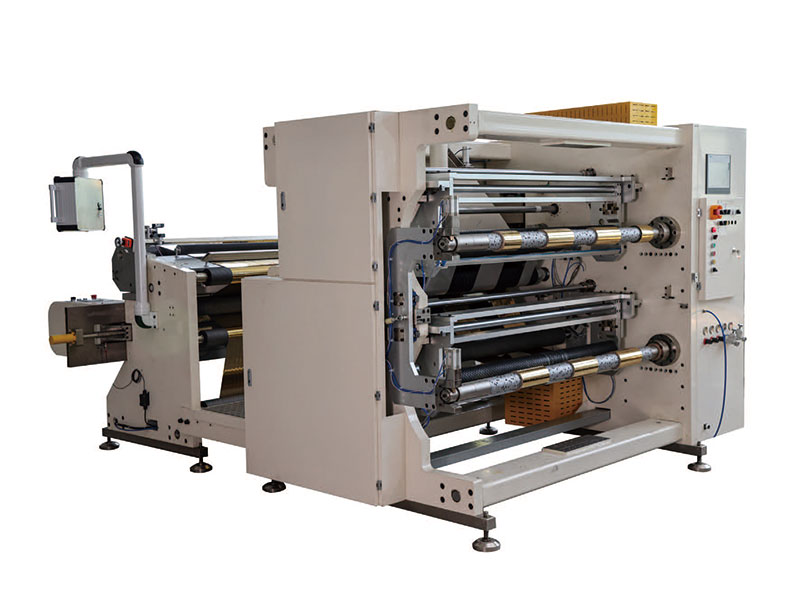 1400mm Hot Stamping Foil Slitting Machine
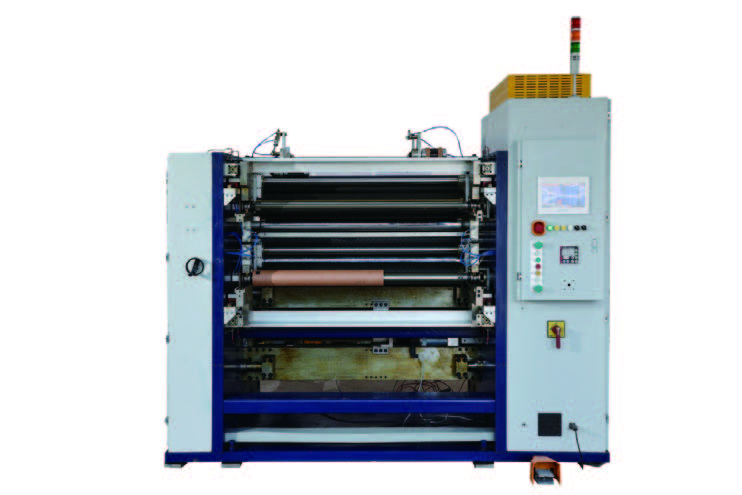 New Energy Ultra-thin Film Slitting Machine For Capacitive Film
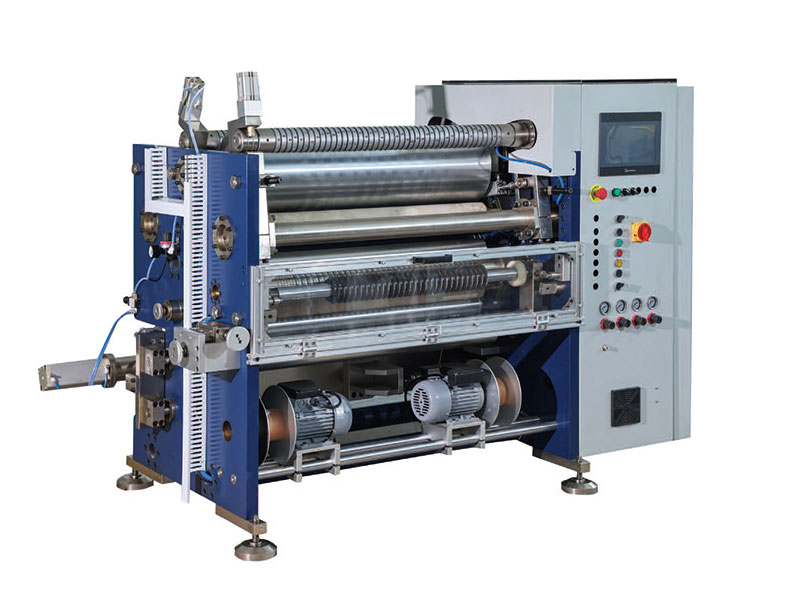 800mm Hot Stamping Foil Slitting Machine
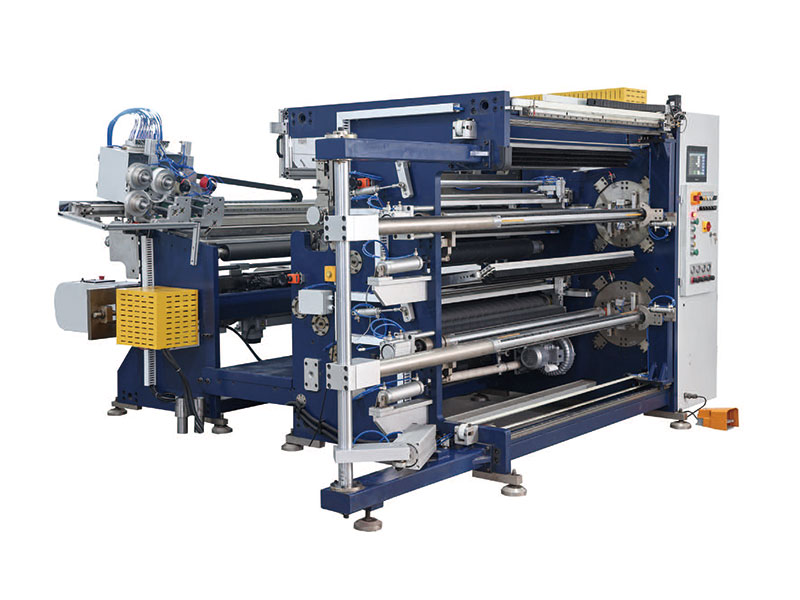 1350mm Hot Stamping Foil Slitting Machine
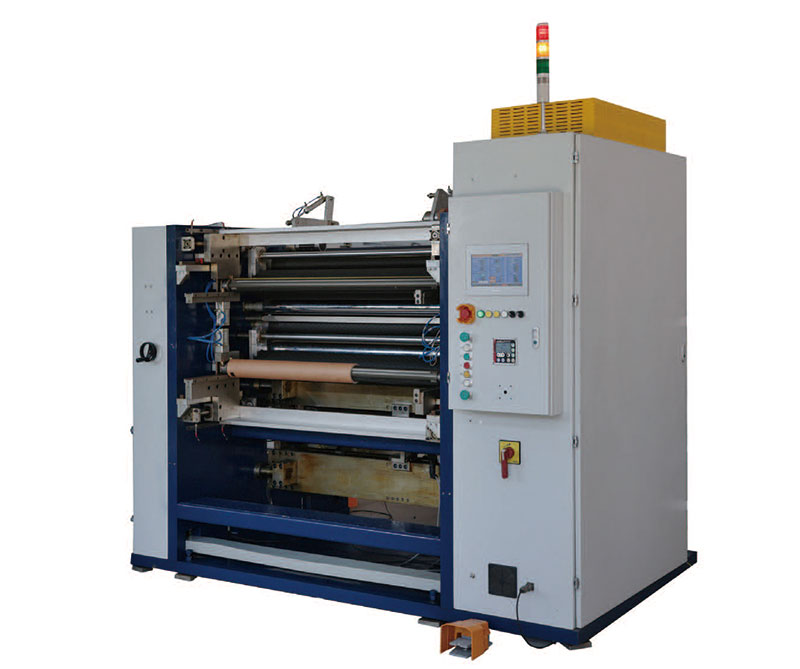 New Energy Ultra-thin Film Slitting Machine For MOPP
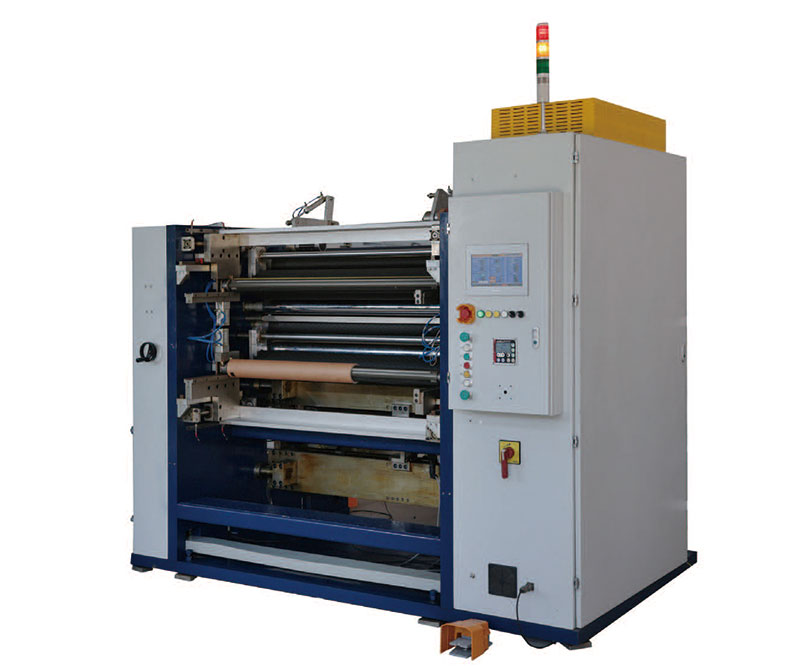 New Energy Ultra-thin Film Slitting Machine For MPET
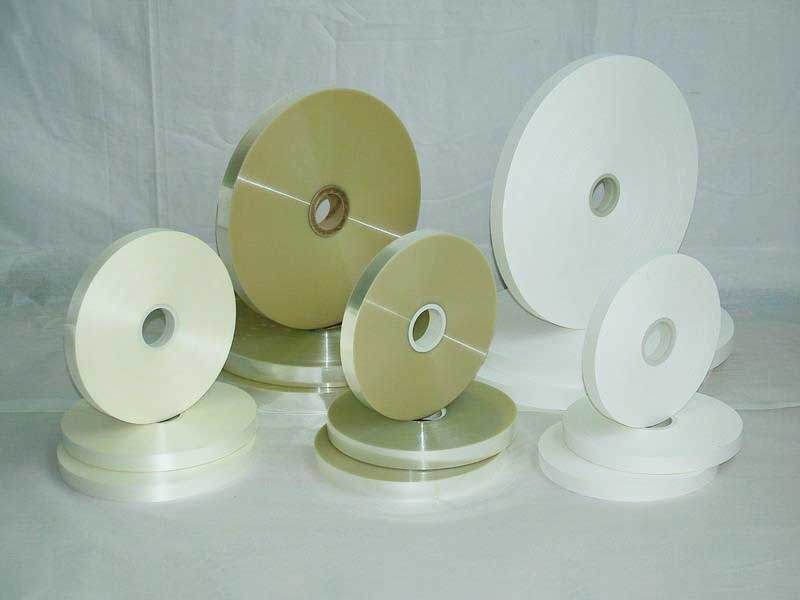 Film Slitting Machine
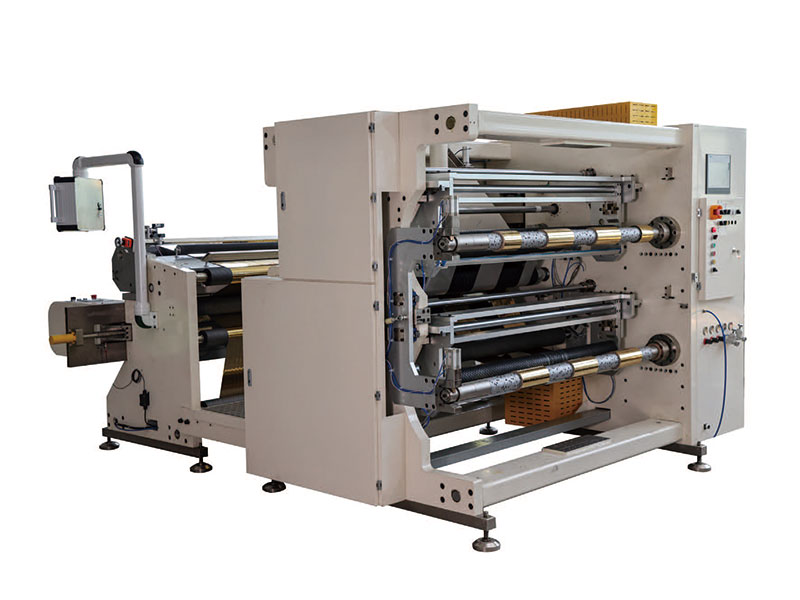 1400mm Copper Foil Slitting Machine


 +86 135 9951 7291
 support@delishmachine.com