Uneven winding is a common and headache in the production process of film slitting machines. Uneven winding not only affects the appearance of the product, but also causes material waste and even affects the normal progress of subsequent processes. This article will share 5 practical tips that have been tried and tested to help you solve this problem effectively.
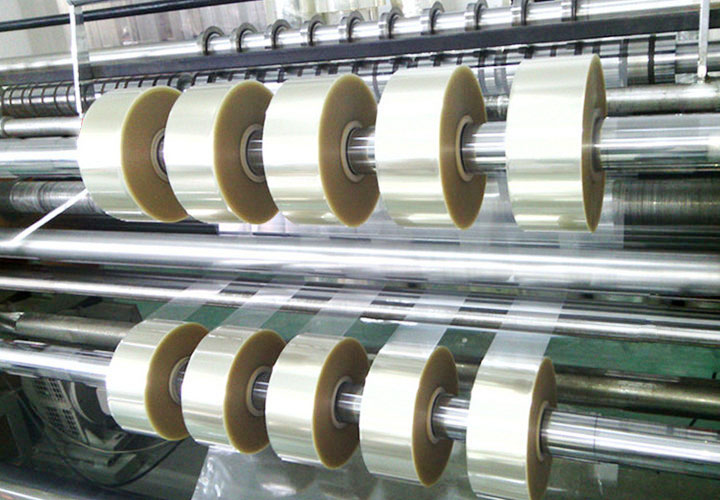
Tip 1: Accurately adjust the winding tension control system
Uneven winding tension is one of the main reasons for uneven winding. The key to solving this problem lies in establishing a reasonable tension gradient:
• Set a tapered tension that gradually decreases from the inside to the outside according to the thickness of the film and material characteristics, usually the starting tension is controlled at 60%-80% of the breaking tension of the material
• Calibrate the tension sensor regularly to ensure accurate and reliable feedback signals
• Check whether the expansion shaft is leaking air to ensure that the expansion force is evenly distributed
• Precise adjustment of constant tension or taper tension with automatic tension controller
Operation suggestion: During actual production, first test run with low tension, observe the winding end face, and gradually adjust to the best value.
Tip 2: Make sure the rewinding roller is in ideal condition
The state of the winding roller directly affects the air discharge and winding tightness between the film layers:
• Check whether the surface of the roller is unevenly worn or foreign objects are attached, and if there is a problem, polish or clean it in time
• Confirm the parallelism between the press roller and the winding shaft, and the deviation should be controlled within 0.5mm/m
• Adjust the pressure of the roller to the appropriate value, usually the pressure range is 0.2-0.5MPa, which will cause tensile deformation of the film if it is too much
• For wide slitting machines, it is recommended to use sectional pressure rollers to ensure that the pressure is evenly distributed in the direction of width
Operation suggestion: Measure the parallelism between the pressure roller and the winding shaft with a dial indicator when stopping the machine, and calibrate it at least once a quarter.
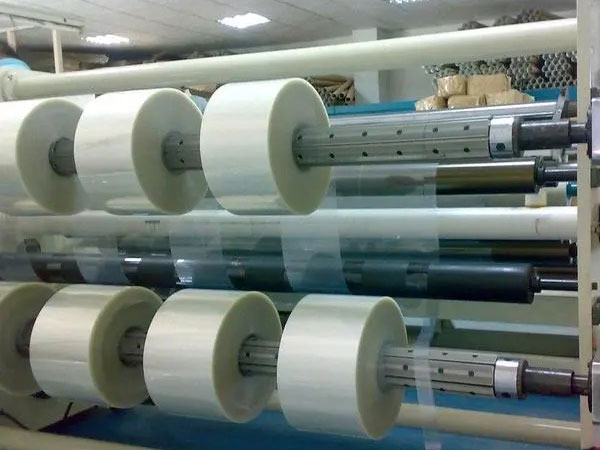
Tip 3: Optimize the configuration of slitting tools and spacers
Improper configuration of the slitting tool and spacer can lead to differences in tension in the direction of the width of each roll:
• Ensure that all round blades are sharp and free of chips, and passivation tools should be replaced promptly
• Reasonably select the length of the compartment according to the slitting width to avoid overhanging caused by the compartment being too long
• The meshing depth of the upper and lower knives should be controlled at 0.5-1.5mm, as excessive meshing will generate additional resistance
• The arrangement of the spacers on the reel shaft should be symmetrical to prevent offset forces during rewinding
Operation suggestion: When changing tools with different materials, record the best meshing parameters to form a standardized work instruction.
Tip 4: Set the winding speed and acceleration and deceleration curve reasonably
The instability of the speed is an important factor in the winding offset:
• Avoid frequent acceleration and deceleration during the production process, and the acceleration and deceleration ramp time is recommended to be set at 10-15 seconds
• The maximum winding speed should be determined according to the film material, such as PE film is recommended to not exceed 200m/min, PET film can be appropriately increased
• Before stopping, the speed should be reduced to less than 30m/min, and then the winding should be stopped to prevent inertia from causing the coil to loosen
• For electronic shaft slitting machines, the electronic gear function of the servo system is used to ensure the synchronization of each winding shaft
Operation suggestion: record the optimal speed parameters of different materials and establish a process database to facilitate quick product switching.
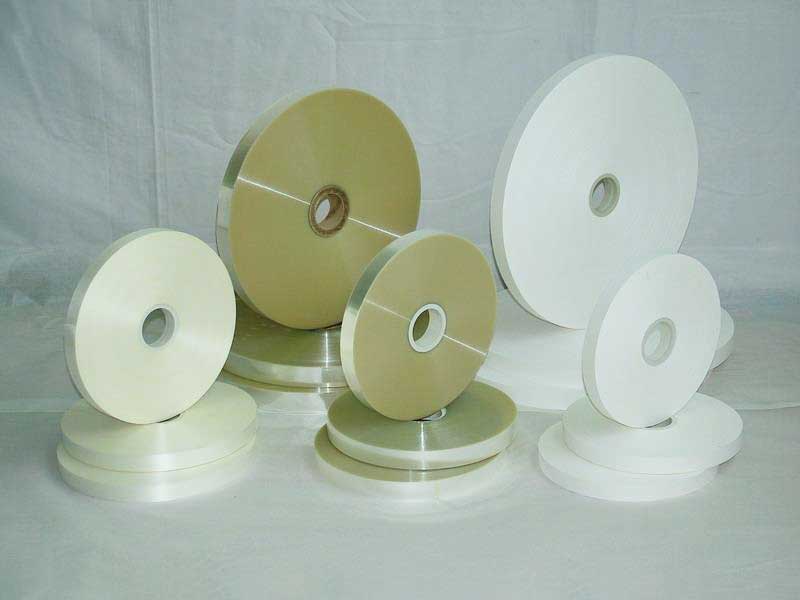
Tip 5: Regularly check and correct equipment accuracy
Problems with the device itself are often the root cause of uneven winding:
• Check the horizontality and straightness of the winding shaft every month, and the axial runout should be less than 0.1mm
• Check whether the bearings are worn, and replace them in time if there is abnormal noise or excessive clearance
• The surface of the guide roller should be kept smooth and flexible, as the stuck guide roller will scratch the film and cause deviation
• Use a laser centering instrument to correct the parallelism of each roll system, and the cumulative error of the whole roll system should be less than 0.2mm
Operation suggestions: Establish a equipment inspection system, conduct a quick inspection before starting each shift, and arrange a comprehensive accuracy inspection once a month.
Comprehensive recommendations
Solving the problem of uneven winding requires systematic thinking, and the above five skills complement each other. It is recommended to start with the easiest tension adjustment and roller inspection, and if the problem is still not solved, gradually check the tool configuration and equipment accuracy. At the same time, establishing complete production records and detailed recording of the process parameters corresponding to each batch of materials helps to quickly locate the root cause of the problem.
Through the comprehensive application of the above methods, most of the problems of uneven winding can be significantly improved, and the pass rate of product winding can be increased to more than 98%.
 English
 Deutsch
 Français
 Español
 Português
 日本語
日本語 русский
 한국어
한국어 عربي
عربي ภาษาไทย
 Tiếng Việt
 Italiano
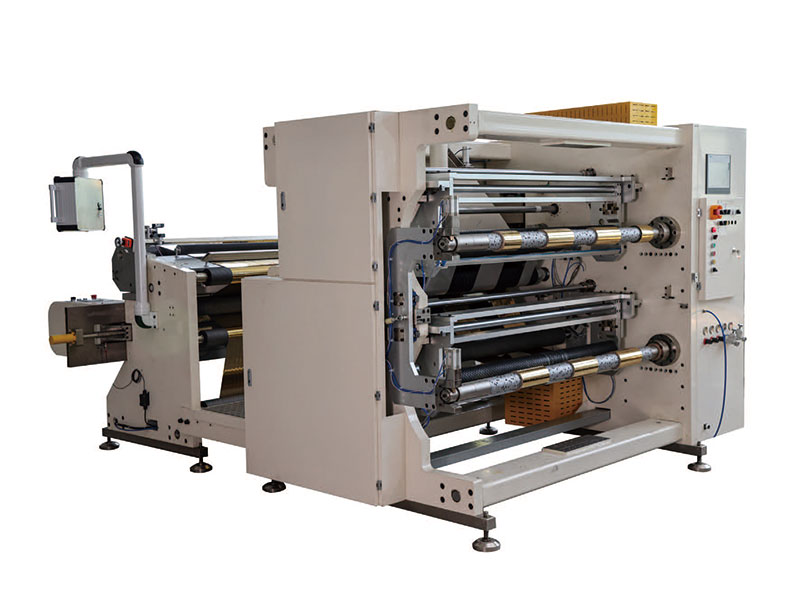 1400mm Hot Stamping Foil Slitting Machine
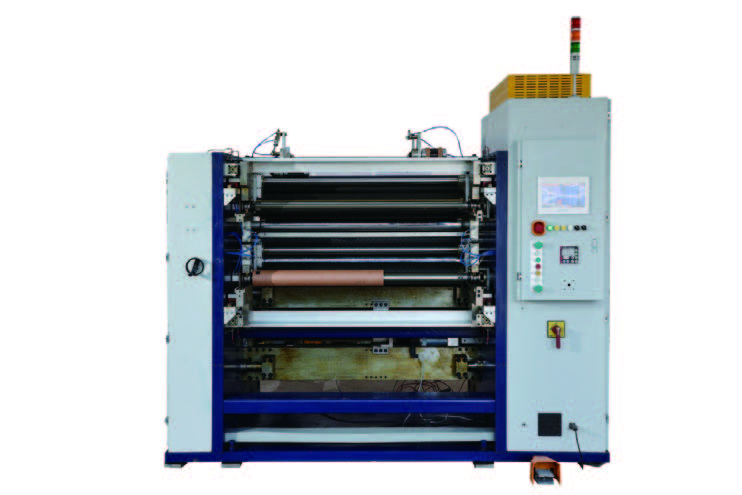 New Energy Ultra-thin Film Slitting Machine For Capacitive Film
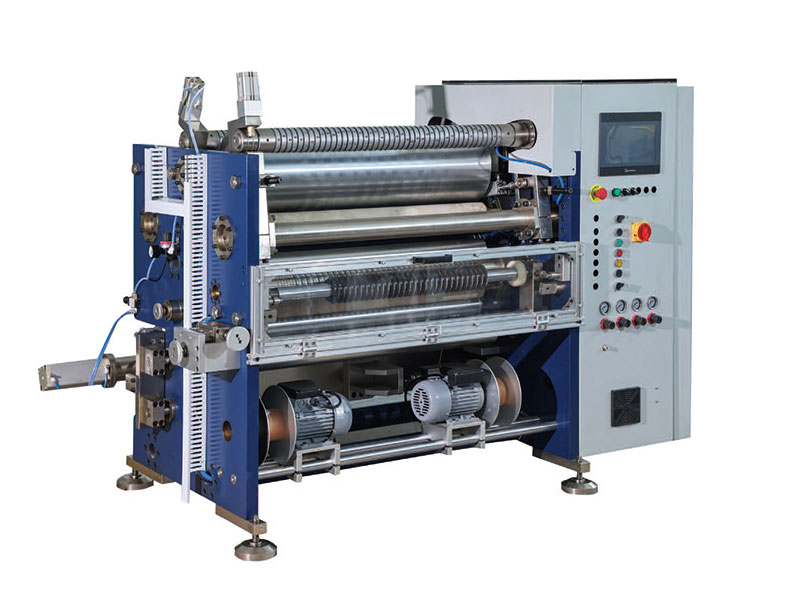 800mm Hot Stamping Foil Slitting Machine
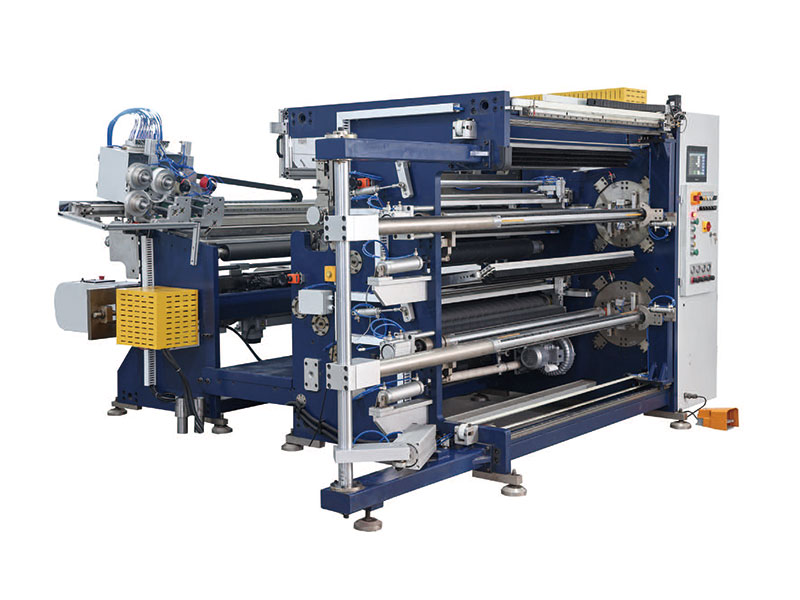 1350mm Hot Stamping Foil Slitting Machine
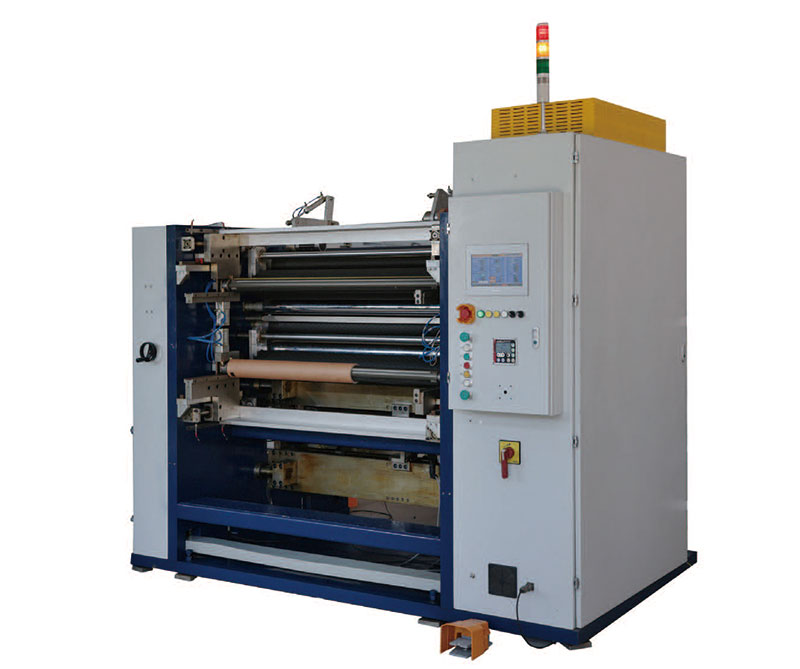 New Energy Ultra-thin Film Slitting Machine For MOPP
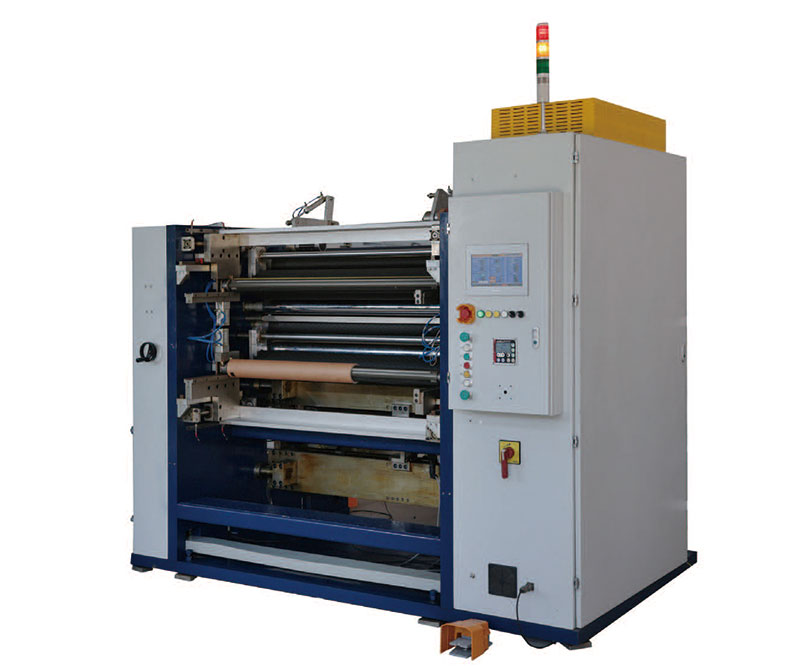 New Energy Ultra-thin Film Slitting Machine For MPET
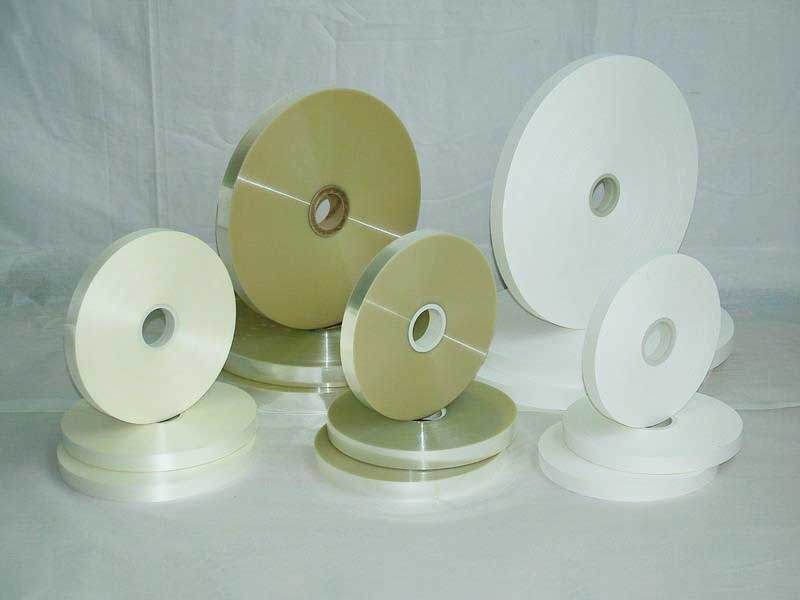 Film Slitting Machine
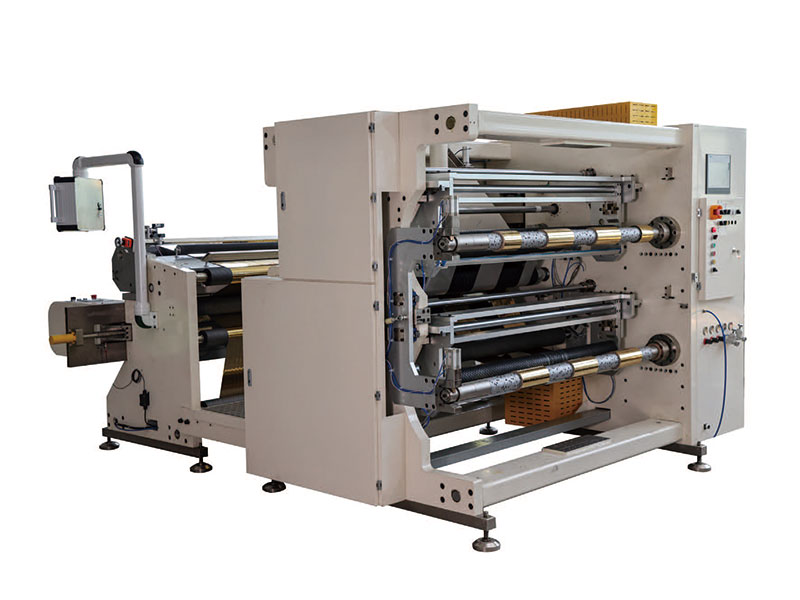 1400mm Copper Foil Slitting Machine


 +86 135 9951 7291
 support@delishmachine.com