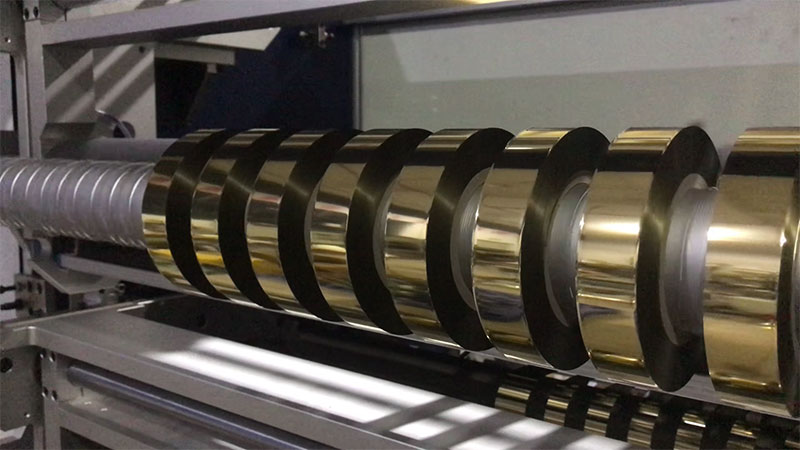
In the printing and packaging industry, the hot stamping process is favored for its ability to impart a gorgeous golden texture to products. However, in the production and processing of hot stamping foil, especially in the slitting process, a headache has long plagued practitioners: dust pollution.
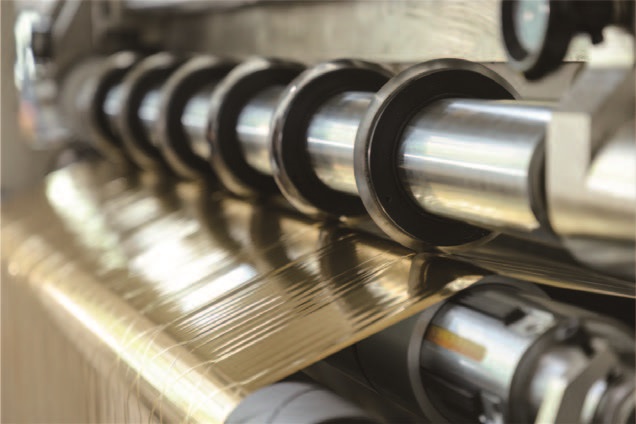
Pain point: The invisible "gold dust" crisis
Foil stamping foil is usually composed of multiple layers of structures such as PET film, release layer, color layer, and aluminum plating layer. When hot stamping foil is slitting at high speed on a slitting machine, the intense friction and shearing between the blade and the foil will cause a large amount of fine dust to be generated on the edge of the foil. The main components of these dusts include:
• PET film chips: have electrostatic adsorption properties
• Metal powders (especially aluminum powder): Highly conductive and prone to oxidation
• Resin-coated particles: highly adherent and difficult to remove
These dusts, usually with particle sizes between 0.5 and 50 microns, seem insignificant, but they have caused serious problems to manufacturers in many aspects.
Product quality is compromised
Once the dust adheres to the surface of the foil stamping, it will cause defects such as "white spots" and "sand holes" in the subsequent hot stamping process, which directly leads to incomplete hot stamping patterns and reduced gloss. For customers with strict quality requirements such as high-end cosmetics, tobacco and alcohol packaging, such defects mean the scrapping of the entire batch of products.
Equipment failures are frequent
Dust intrusion into the transmission system, guide rails, bearings and other precision components of the slitting machine will accelerate mechanical wear. What's more tricky is that electrostatic dust is easy to adsorb on electronic components such as sensors and control panels of slitting machines, causing signal interference and even short circuit faults. According to industry statistics, unplanned downtime caused by dust accounts for more than 30% of the total failures of slitting equipment.
The working environment deteriorated
Fine suspended dust not only pollutes the workshop environment, but is also inhaled by operators, and long-term exposure may cause respiratory diseases. In addition, aluminum powder is a flammable and explosive substance, when the concentration in the air reaches a certain limit, it encounters electrostatic sparks or high-temperature heat sources, and there are potential safety hazards of dust explosion.
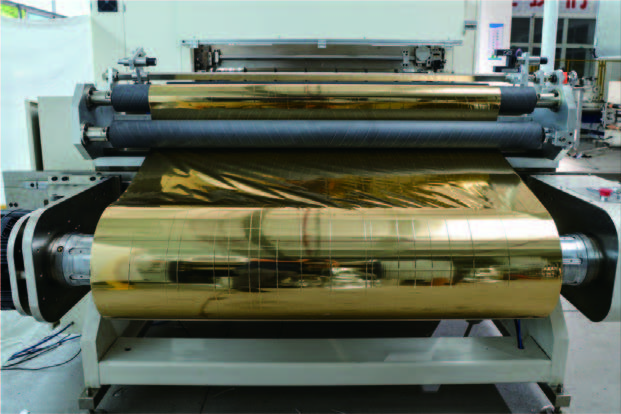
Design analysis: the construction logic of the dust removal system
In response to the above pain points, modern hot stamping foil slitting machines need to systematically integrate the concept of dust removal in the design stage. An efficient and reliable dust collection system usually consists of the following key modules:
1. Source Capture: From "Passive Cleanup" to "Active Control"
The first principle of dust removal design is to capture dust at the source and prevent it from spreading to a larger area.
1. Closed cutting cavity
Semi-enclosed or fully enclosed working chambers are designed around the tool holder, and the chamber is made of transparent material (such as polycarbonate plate) for easy observation, and the interior is maintained under micro-negative pressure. The dust generated by the cutting is confined to the cavity and cannot escape.
2. Optimization of the layout of the vacuum cleaner
The location and shape of the vacuum port directly determine the capture efficiency. A typical design is a set of slit nozzles on each side of the blade, parallel to the direction of blade movement. The nozzle is controlled within the range of 20-30mm from the cutting point, which can effectively absorb dust without interfering with the foil feeding. Some high-end models are also equipped with a floating nozzle that moves with the tool holder, ensuring the closest range of suction in any cutting position.
3. Air curtain isolation technology
An air curtain is set between the cutting and winding areas – a series of fine air holes blowing down the high-speed air flow to form an invisible "air wall". This air curtain effectively blocks the path of dust migration along the foil surface to the winding end.
2. Transportation pipelines: exquisite design under fluid mechanics
After the dust is sucked into the pipeline, how to ensure its smooth transportation without deposition blockage is a science in the design.
Pipe inner diameter matches wind speed: As a rule of thumb, the airflow velocity for conveying light foil dust should be maintained at 15-20m/s. If the speed is too low, the dust will settle and accumulate at the pipe elbow; If the speed is too high, the energy consumption will increase and the wear of the pipe wall will be exacerbated.
Reduced elbows and reducers: Every elbow is a risk point for resistance loss and dust deposits. Large radius of curvature elbows (R≥2D) should be preferred in the design, and oblique tees should be used instead of 90° right-angle tees when conditions permit.
Anti-static measures: Since the dust itself is electrostatic, the inner wall of the pipeline should be made of anti-static materials (such as stainless steel or carbon steel pipes lined with anti-static coating), and ensure that the entire pipeline is reliably grounded to avoid sparks caused by static electricity accumulation.
3. Core separation: selection and matching of dust collectors
After the aspirated dusty air flow enters the dust collector, it needs to be separated from the air. For the specific material of hot foil dust, the common solutions are as follows:
Cyclone dust collector (primary treatment): uses centrifugal force to throw coarse dust particles (≥10 μm) towards the wall of the device and settle. Its simple structure, no moving parts, low maintenance cost make it suitable as a pretreatment unit to remove about 70%-80% of coarse particles.
Pulse bag collector (fine treatment): When the dust gas circulates the filter bag, the dust is trapped on the surface of the filter bag, and the clean air is discharged into the atmosphere or reused in the workshop. Regularly use high-pressure compressed air to blow in reverse to shake off the dust accumulated on the filter bag. For sub-micron dust, the filtration efficiency can reach more than 99%. It should be noted that the filter bag material should be anti-static, oil-proof and waterproof, such as laminated polyester needle felt.
Filter cartridge dust collector: Folding filter cartridge is used to replace the traditional cloth bag, with a larger filtration area per unit volume and more compact equipment. It is especially suitable for workshop renovation projects with limited space.
4. Static electricity elimination: a link that cannot be ignored
The dust generated by hot stamping foil slitting has strong static electricity, and simply relying on vacuuming cannot completely solve the problem of dust adsorption. In several key positions of the slitting machine, it is necessary to install static elimination devices.
Passive static elimination: Conductive carbon fiber brushes or metal contact rods are set up on the foil path to direct static electricity into the earth.
Active electrostatic eliminator: Adopts the principle of high-voltage ionization to generate positive and negative ions through the ion needle to neutralize the static charge on the surface of the foil and the surrounding air. Common installation positions include after placing the reel, in front of the slitting knife, and before retracting the reel.
5. Dust collection and cleaning: closed-loop management at the end
The dust collected by separation needs to be properly disposed of to avoid secondary dust. The dust bin should be sealed and equipped with an anti-static liner bag. For dust with a high aluminum content, a wet dust collection method (such as a water bath dust collector) is recommended to completely eliminate the risk of explosion.
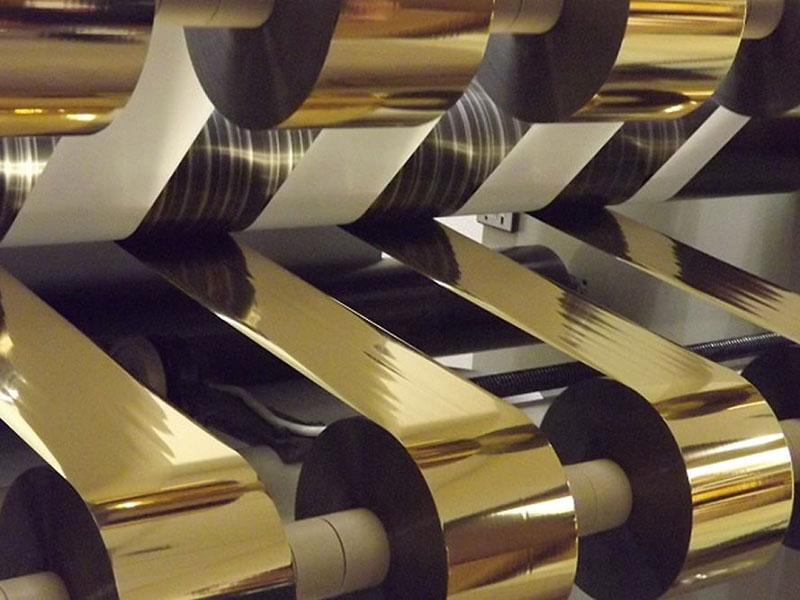
Practical case: The transformation of a soft packaging enterprise
Taking a packaging material company with an annual output of 50 million meters of hot stamping foil as an example, its original domestic slitting machine is not equipped with a special dust removal system, and the workshop floor can sweep out hundreds of grams of dust every day, with a product defect rate of up to 3.2%, and there have been fire accidents caused by dust ignition.
The renovation plan is as follows:
• Closed protective cover is installed at the tool holder position, with two sets of high-pressure nozzles with an air flow of 200m³/h
• Laid D120 stainless steel anti-static pipes, using two-stage dust removal: cyclone + anti-static pulse bag collector
• A set of AC static eliminators is installed before and after slitting
• Added differential pressure alarm device to monitor the clogging of the filter bag in real time
The effect after the transformation is remarkable: the dust concentration in the workshop has dropped from 4.2mg/m³ before the transformation to 0.3mg/m³, the product defect rate has dropped to less than 0.7%, the equipment failure downtime has been reduced by 65%, and the customer has passed the on-site audit at one time and successfully entered the supply chain system of an international cosmetics giant.
Summary of design points and trend outlook
On the whole, the dust removal design of the hot stamping foil slitting machine needs to follow the closed-loop logic of "source suppression, efficient capture, reliable separation, electrostatic neutralization, and safe explosion-proof". The following design points deserve special attention:
1. Reserve design allowance: In actual production, foil varieties, slitting speed, ambient temperature and humidity will affect the amount of dust generated, and the system air volume should reserve a margin of 20%-30%
2. Intelligent differential pressure monitoring: Real-time monitoring of the pressure difference before and after the filter bag through PLC, automatically triggering pulse blowback or reminder to replace the filter bag
3. Explosion-proof design compliance: For aluminum powder, electrical equipment such as fans, motors, and control boxes must meet the requirements of explosion-proof levels, and explosion-proof vents should be set up on the pipeline and dust collector body
Looking ahead, the dust removal technology of hot stamping foil slitting machines is developing in the direction of smarter and more energy-efficient. The frequency conversion speed regulation technology can automatically adjust the air volume of the fan according to the working state of the tool holder; The online dust concentration monitor can provide real-time early warning of abnormal dust; Wet electrostatic precipitators under development are expected to achieve higher capture efficiency with lower energy consumption.
Although the dust is small, the impact is great. A well-designed dust removal system is not only a guarantee of product quality and equipment life, but also a practical responsibility for the health and social environment of employees. In today's increasingly stringent environmental regulations and increasing customer requirements for clean production, dust removal capabilities have become part of the core competitiveness of hot stamping foil slitting equipment.
 English
 Deutsch
 Français
 Español
 Português
 日本語
日本語 русский
 한국어
한국어 عربي
عربي ภาษาไทย
 Tiếng Việt
 Italiano
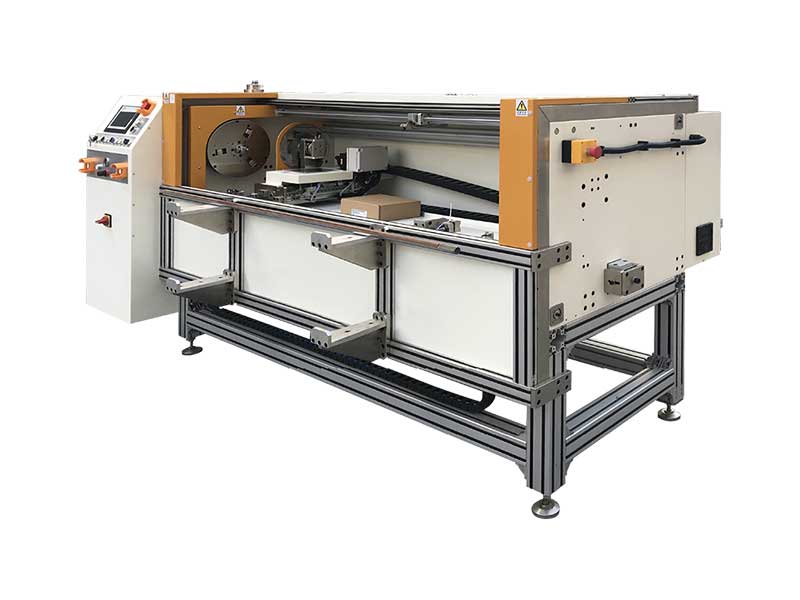 Automatic Foil Roll Cutting Machine
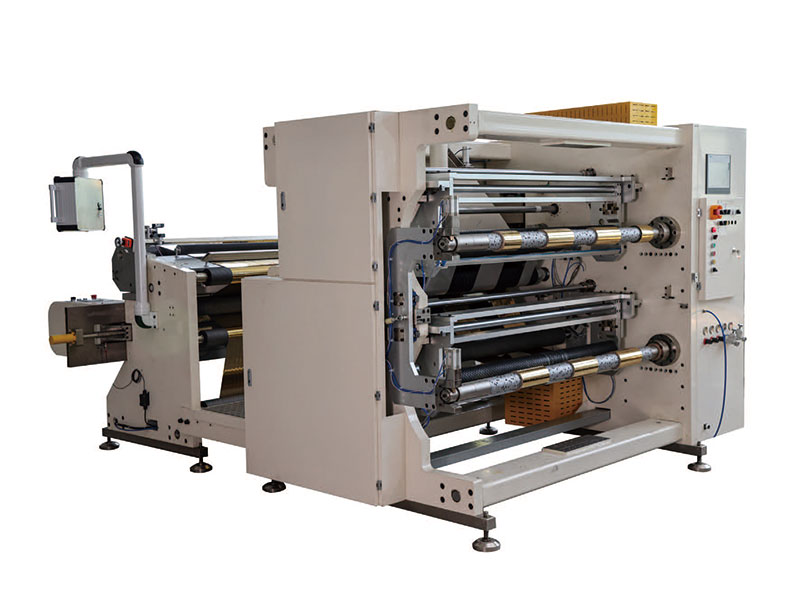 1400mm Hot Stamping Foil Slitting Machine
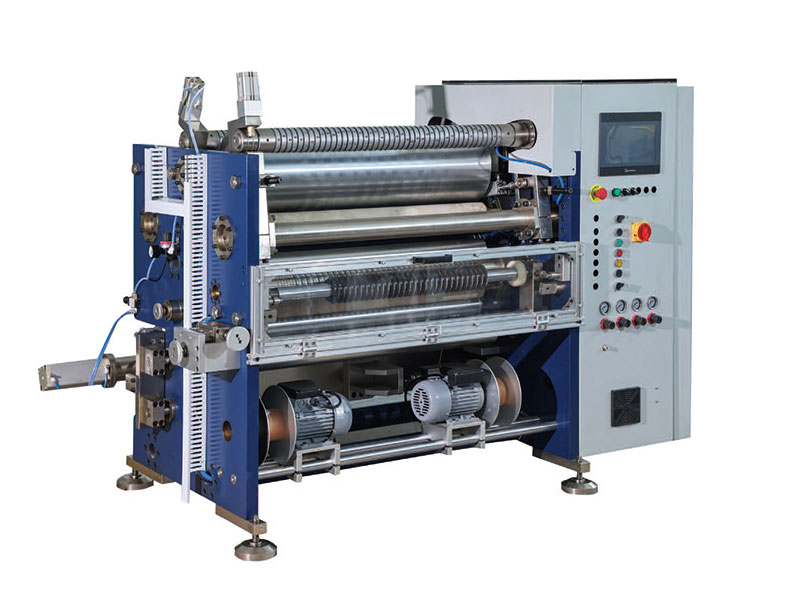 800mm Hot Stamping Foil Slitting Machine
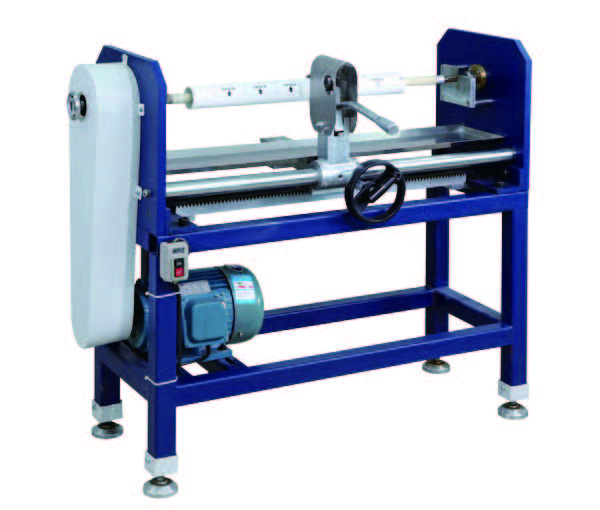 Manual Foil Roll Cutting Machine
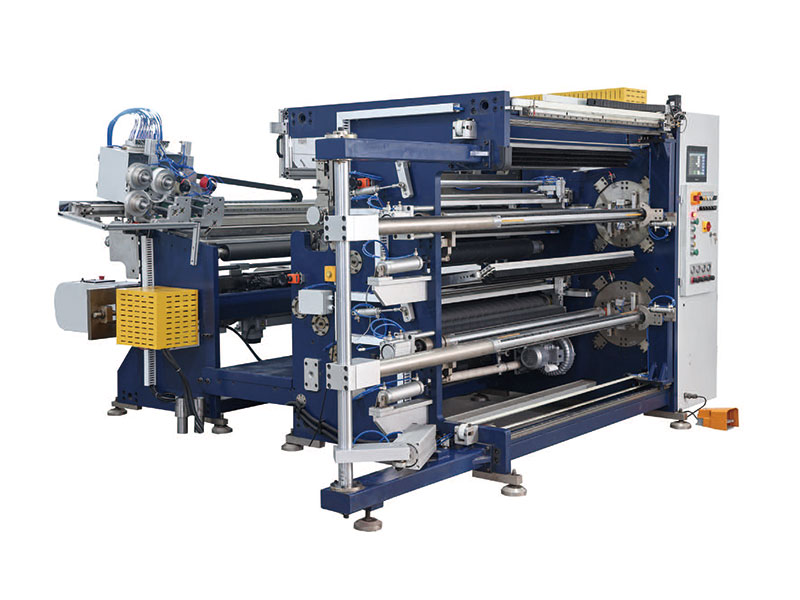 1350mm Hot Stamping Foil Slitting Machine
 Photo & Card Print Ribbon Rewinding Machine
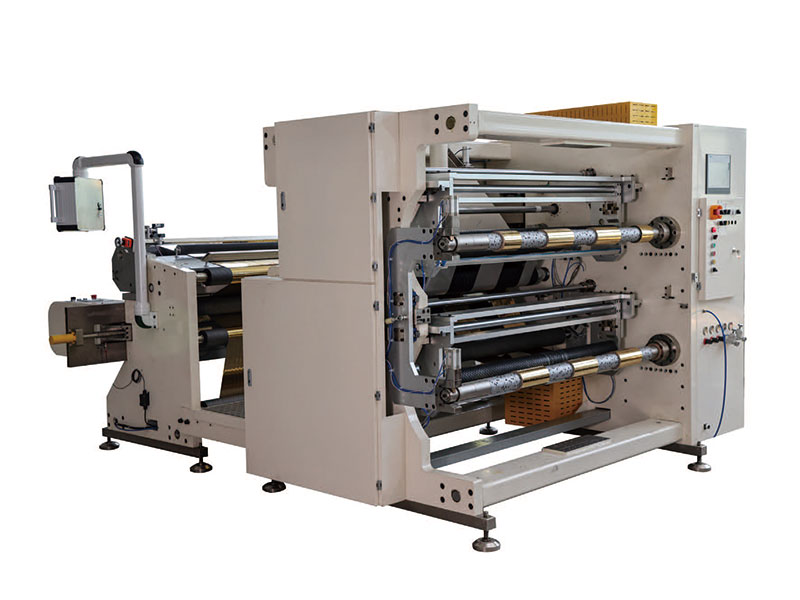 1400mm Copper Foil Slitting Machine
 1350mm/1600 Foil Slitting Machine


 +86 135 9951 7291
 support@delishmachine.com