In the PET film production process, slitting is a key step. Many enterprises use semi-automatic slitting machines, which need to manually cut off the film, replace the paper core, and re-introduce the film when changing the roll. This operation seems simple, but it actually takes up a lot of time and directly affects the production capacity of the entire production line.
Where is the problem?
Taking a film manufacturer as an example, it takes about 8-10 minutes for each reel change of the original equipment, 20-30 times a day, and the cumulative is 3-5 hours. This is not counting the time the operator spends walking back and forth and dealing with anomalies.
The more hidden loss is that when the roll is changed frequently, the operator is prone to problems such as film offset, uneven winding, and inaccurate core positioning in order to hurry up, resulting in a large number of defective products. At the same time, the shutdown during rewinding also makes the cycle time inconsistent in the front and back sections, either waiting or piling up.
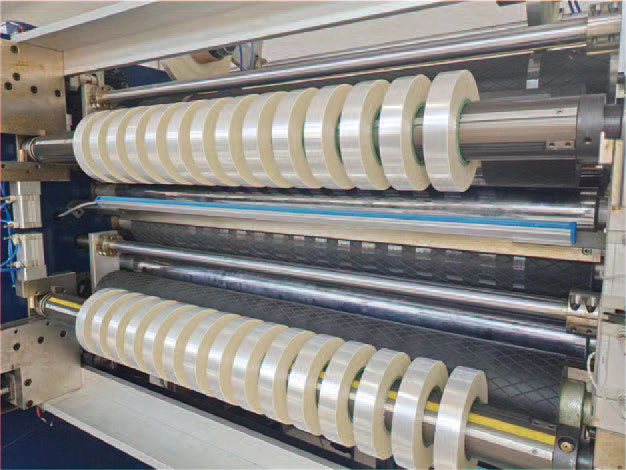
The core idea of automatic roll change transformation
Automatic rewinding is not simply adding a few cylinders and sensors, but redesigning the process. Retrofits typically include the following modules:
1. Automatic film cutting and film lamination mechanism
Add a rotary cutter or a hot wire cutter to the old equipment, and when the winding diameter reaches the set value, the control system automatically triggers the cutter action. At the same time, glue is sprayed on the new paper core in advance or electrostatic adsorption method is used to ensure that the cut film head can quickly adhere to the new paper core. The key to this is the synchronization of the cutter action with the rotation of the paper core – a slight deviation can lead to film wrapping failure.
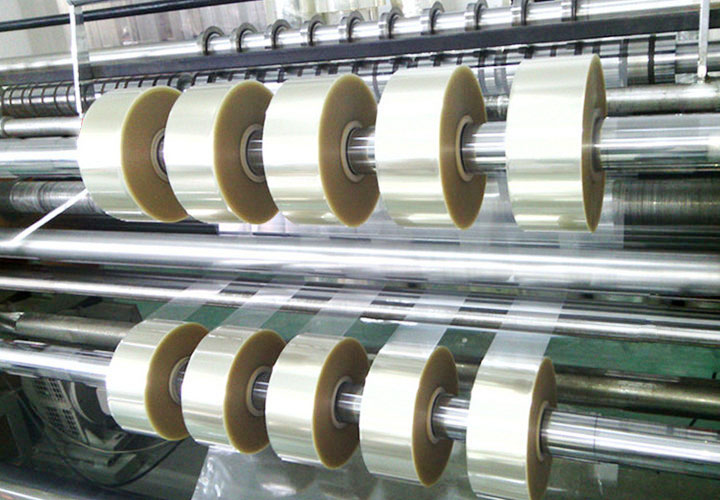
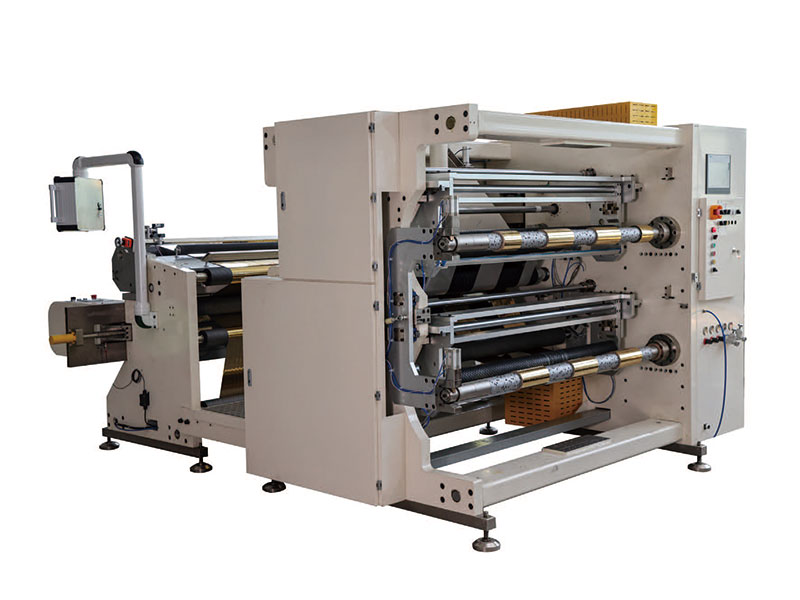
2. Turret winding structure transformation
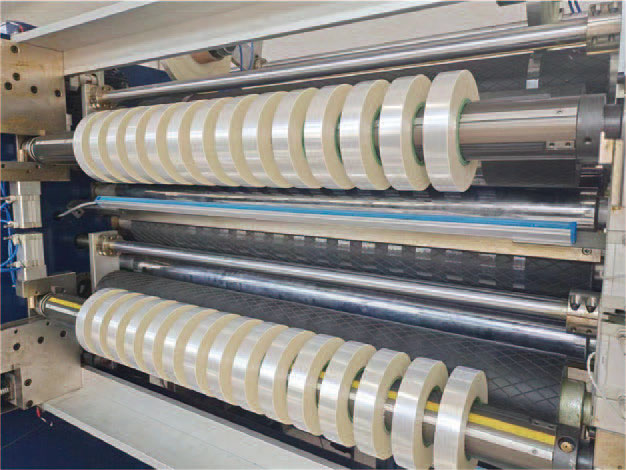
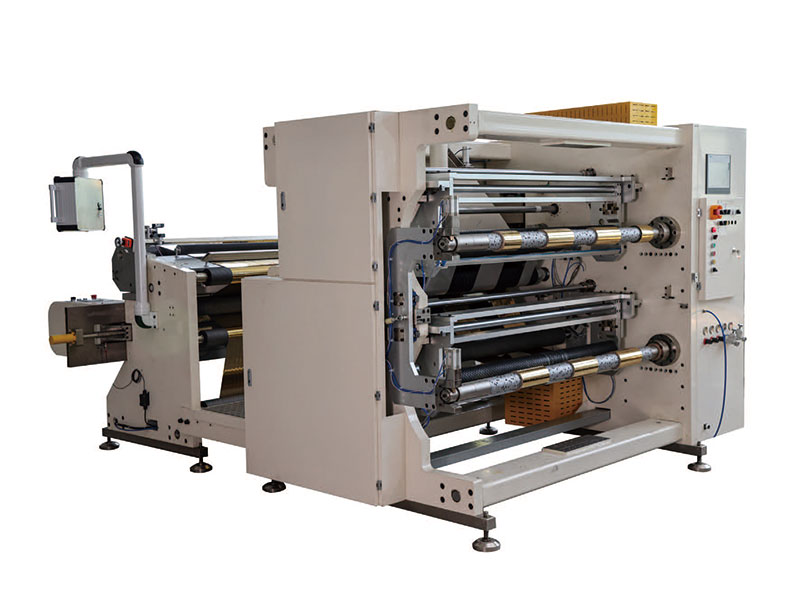
Semi-automatic equipment is mostly single-station winding, and the machine must be stopped first to change the wind. After transforming into a turret double-station (or three-station) structure, when one station is rewinded, the other station can be loaded with paper cores in advance. The reel only needs to rotate the turret 180 degrees, and the film cutting and film application are completed at the same time, and the whole action can be controlled within 10-15 seconds.
For equipment that has been invested in a large area, it is more expensive to replace all of them with turrets. The compromise is to add an auxiliary robotic arm or a pneumatic swing arm to achieve non-stop rewinding – this requires precise control of the speed of the swing arm to match the speed of the main line.
3. Upgrade of tension control system
During the automatic rewinding process, the film tension is easy to fluctuate. Open-loop tension control in older equipment often fails to adapt to instantaneous changes. It is recommended to add floating rollers or tension sensors during the renovation and adjust them with PID closed-loop adjustment. At the moment of winding, the controller automatically reduces the slope of acceleration and deceleration to prevent sudden tension changes from causing wrinkles or tensile deformation of the film surface.
4. Automatic loading and unloading device of paper core
If conditions permit, the paper core library and pushing cylinder can be further increased to realize the automatic feeding of the paper core and the automatic rolling of the finished roll. Although the investment in this link is slightly higher, it has a significant effect on reducing the labor intensity of operators and avoiding artificial bumping on the film surface.
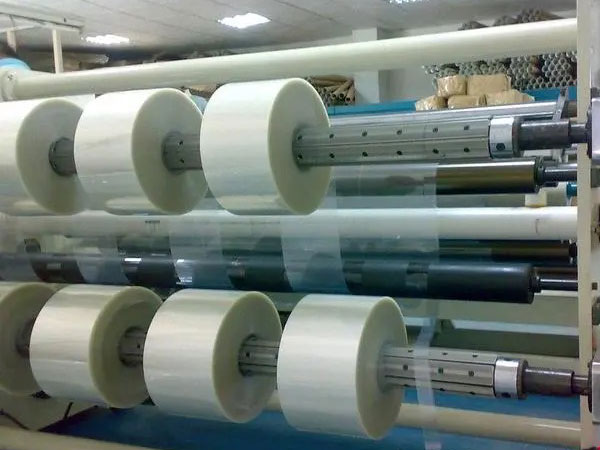
Actual transformation results
Taking a production line with an annual output of 5,000 tons of film enterprises as an example, the transformation investment is about 280,000 yuan (including turret transformation, control system upgrade and cutter mechanism). After the transformation, the single reel change time was reduced from 9 minutes to about 30 seconds, and the average number of daily reel changes remained unchanged, but the daily operation time saved exceeded 4 hours, and the comprehensive efficiency of the production line increased by 22%. What's more, the quality defects caused by rewinding are reduced by about 60%, freeing the operator from frequent manual labor and paying more attention to the quality inspection of the film surface.
Risks to be aware of
Automatic roll change transformation is not without risks. The thickness, material, and surface roughness of the film are different, and the requirements for the type of cutter and the method of coating are also different. For example, highly transparent optical PET films are extremely sensitive to scratches, and rotary cutters are prone to chips, so ultrasonic or hot wire cutters are more suitable for this. In addition, the electrical aging of old equipment should also be fully considered, and it is best to do an overall assessment before transformation to avoid the incompatibility of the new control system with the old servo motor and drive.
Epilogue
The low efficiency of rewinding is a problem of operation speed on the surface, but in essence it is the limitation of equipment architecture. The automatic roll change transformation is not the "icing on the cake", but a direct breakthrough in the bottleneck process. For thin, high-speed, and wide materials such as PET film, a successful transformation can often lead to 20%-30% capacity release. More importantly, it allows the production line to change from "people and machines" to "machines and people", laying the foundation for subsequent digitalization and lean management. If your device is still stuck in the manual roll change, you might want to do a time account – the answer may be clearer than you think.
 English
 Deutsch
 Français
 Español
 Português
 日本語
日本語 русский
 한국어
한국어 عربي
عربي ภาษาไทย
 Tiếng Việt
 Italiano
 1400mm Hot Stamping Foil Slitting Machine
 New Energy Ultra-thin Film Slitting Machine For Capacitive Film
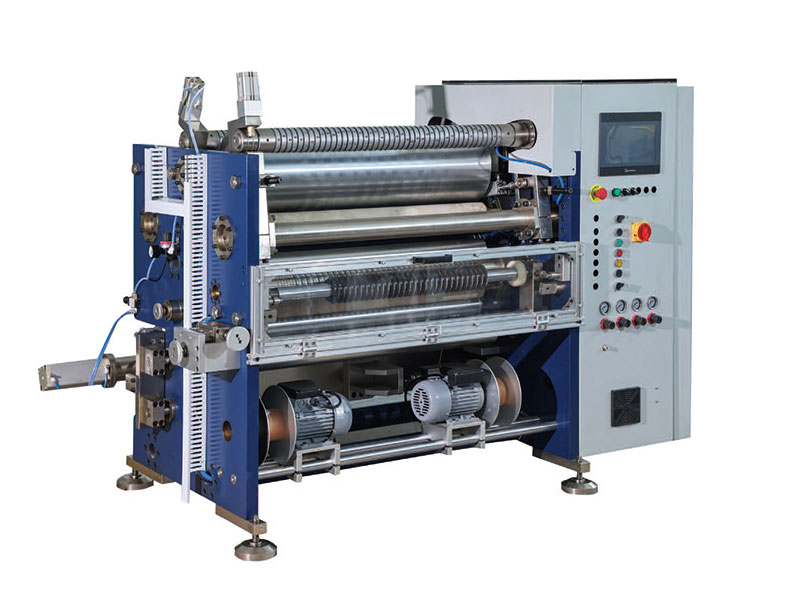 800mm Hot Stamping Foil Slitting Machine
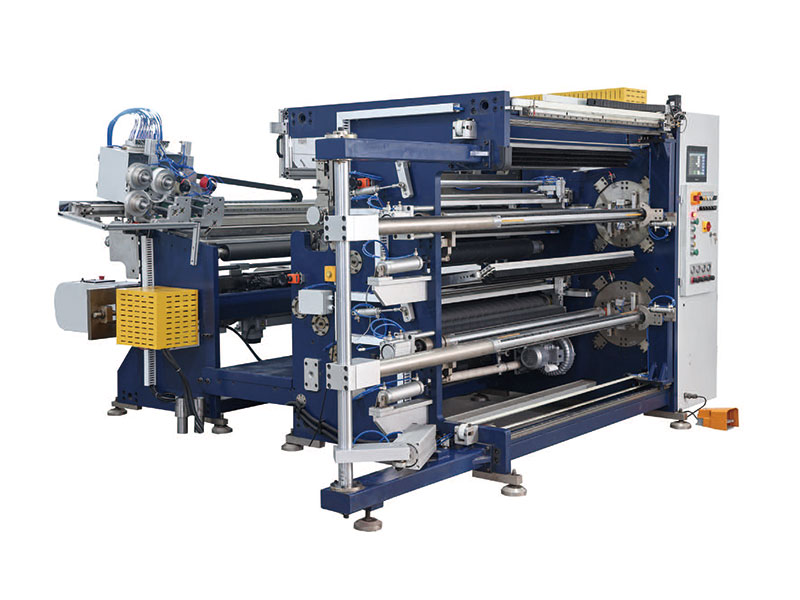 1350mm Hot Stamping Foil Slitting Machine
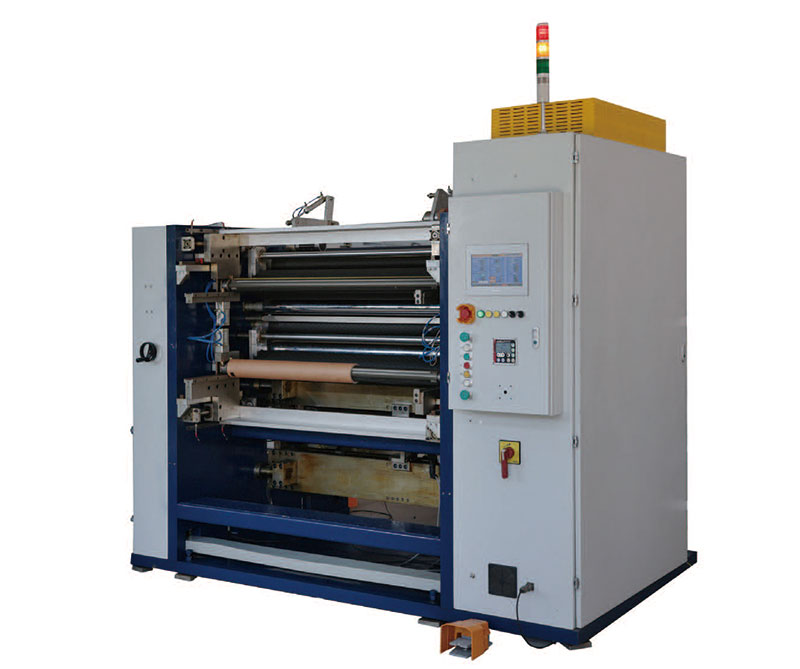 New Energy Ultra-thin Film Slitting Machine For MOPP
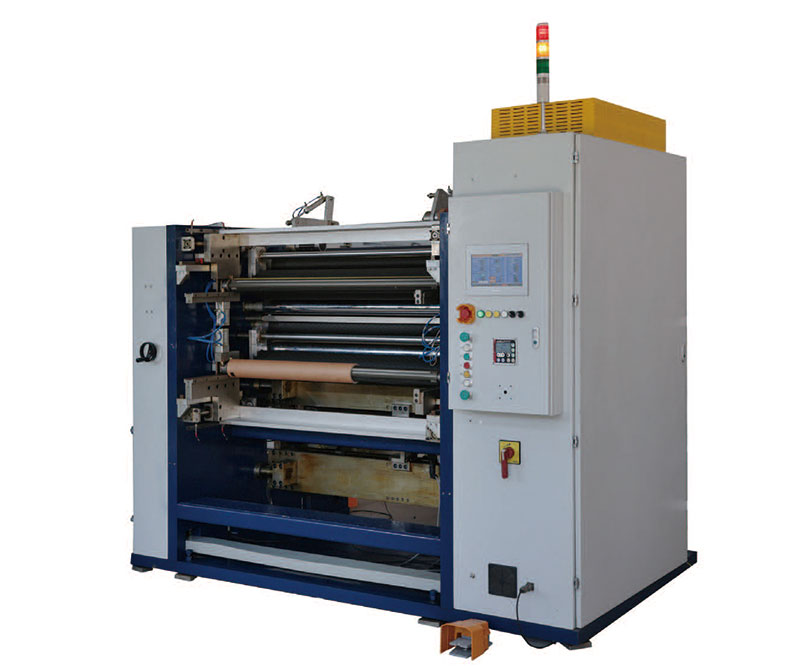 New Energy Ultra-thin Film Slitting Machine For MPET
 Film Slitting Machine
 1400mm Copper Foil Slitting Machine


 +86 135 9951 7291
 support@delishmachine.com