In the production process of ribbon (heat transfer ribbon), the slitting machine is one of the core equipment. However, many companies face a common pain point: changing specifications is too slow. Every time the width, length or core specification of the ribbon is changed, the machine is often stopped for half an hour or more, which seriously reduces the overall output efficiency and increases the labor intensity of operators.
So, how to solve this problem? The following gives 5 practical solutions from the three dimensions of hardware, operation and management.
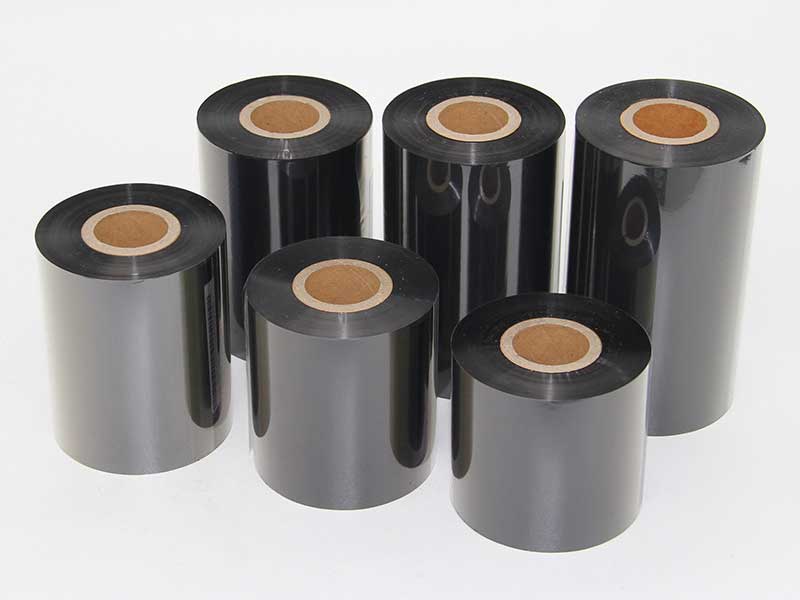
1. Where is the slow change of specifications?
To solve the problem, we must first locate the crux of the problem. The slitting machine is slow to change specifications, usually focusing on the following links:
• Tool seat adjustment: Ribbons of different widths need to be repositioned to reposition the slitting knife, and traditional manual tool adjustment takes the longest time
• Tension system reset: Ribbon of different materials and thicknesses needs to match different tension parameters
• Retract and unwind reel replacement: Switching between 3" and 1" cores often requires the replacement of the entire bushing
• Film threading: After the new specification is put on the machine, the steps of re-threading the film are cumbersome
Only by finding out the main bottlenecks in your production line can you prescribe the right medicine.
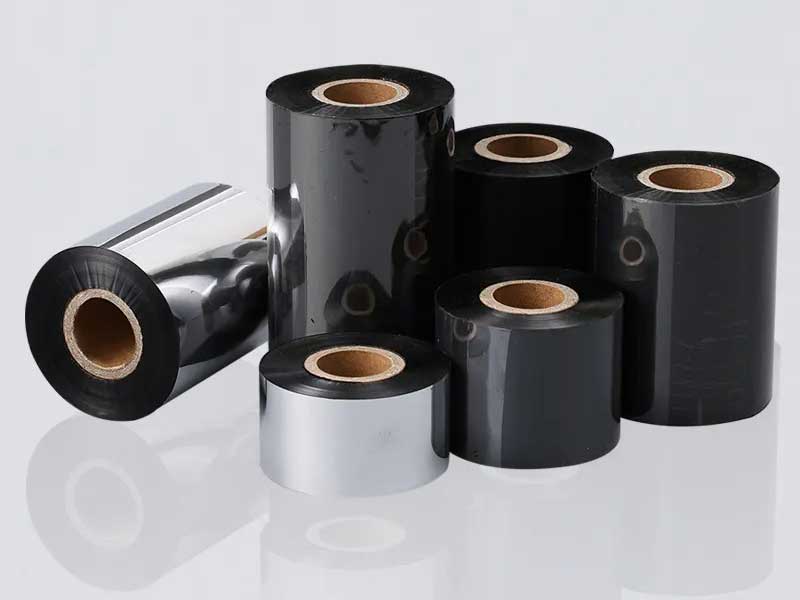
2. 5 speed-up methods
Method 1: Upgrade to an automatic tool holder positioning system
This is the most direct means to achieve results. Traditional manual tool adjustment requires workers to measure and lock one by one with a ruler, and change a set of knives (such as 8 knives) for 20 minutes. The automatic tool holder system is driven by a servo motor, directly inputting the width value on the touch screen, and the tool holder will automatically move to the designated position, and the whole process will not exceed 2 minutes.
Input-output ratio: The initial investment of the automatic tool holder system is about 2-50,000 yuan (according to the number of tool shafts), and the cost can be recovered by saving man-hours in 3-6 months.
Method 2: Use quick-lock bushings
Frequent replacement of 1-inch and 3-inch cores is another major reason for slow reformatting. While the traditional method requires disassembling and assembling multiple screws and gland caps, the quick-lock bushing adopts a taper bushing or inflatable design, which can be switched by one screw and one pull, saving 5-8 minutes at a time.
If a company produces multiple core specifications at the same time, this improvement is well worth it.
Method 3: Establish a standard operating procedure for changing specifications
Many enterprises are slow to change, not because the equipment is not good, but because the operation is not standardized. It is recommended to formulate a "SOP for changing specifications" and paste it next to the machine, including:
• The sequence of each step (e.g. loosen the tension first, then adjust the tool, and finally reset)
• Standard parameter table for each specification (tension, speed, rewinding pressure, etc.)
• Two-person cooperative division of labor (one person adjusts the tool, one person prepares the new core, and works in parallel)
Practical case: After a ribbon factory implemented SOP, the average specification change time for the same machine was reduced from 22 minutes to 12 minutes, and the speed of new employees to get started was significantly accelerated.
Method 4: Use the Preset Parameter Recipe feature
If your slitting machine has a PLC and a touch screen, be sure to use the Recipe function. Save the winding tension, unwinding tension, slitting speed, meter length and other parameters corresponding to each specification as a recipe, and the next time you change to this specification, you can call it with one click, no need to set it one by one.
If the equipment is older and does not have this function, the parameters of each specification can be recorded in a table, and the operator can enter it against each other, which is much faster than memorizing or repeatedly trying to cut it.
Method 5: Implement the concept of rapid mold change
Drawing on the SMED (Single Minute Exchange of Die) method in lean manufacturing:
• Distinguish between internal and external operations: internal operations must be carried out in a downtime, while external operations can be completed while the machine is running. For example, the next order of cores, paper tubes, and tapes can be prepared in advance and placed next to the machine
• Convert internal to external operations: For example, pre-install the next specification tool holder combination on the offline tooling in advance, and replace it as a whole when the machine is stopped
Through SMED analysis, a company found that 40% of the time was wasted on finding tools and materials when changing specifications. By setting up a "specification change toolbox" and a "material preparation area", the time for a single specification change has been reduced from 18 minutes to 9 minutes.
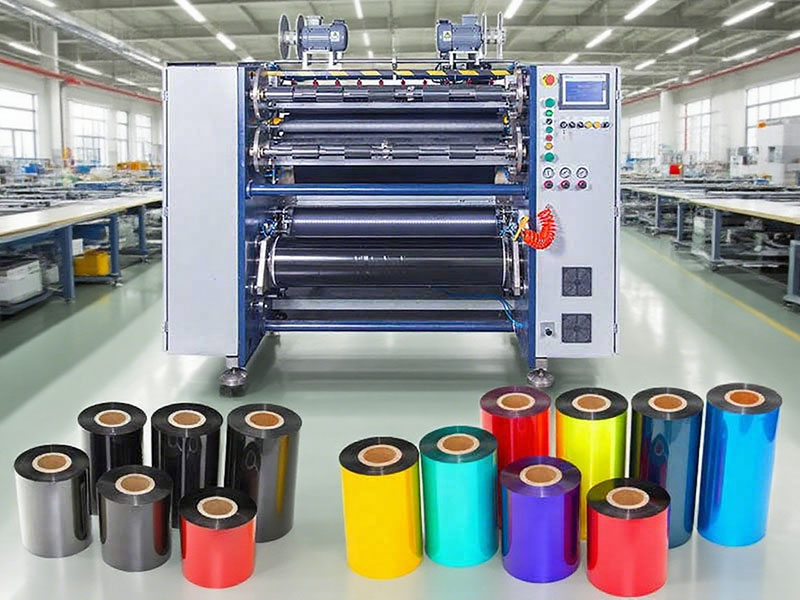
3. If the budget is sufficient, directly consider the new generation of equipment
If you have tried all of the above methods and the specification change time is still more than 10 minutes, then the structure of the existing equipment itself may be relatively backward. The current new generation of ribbon slitting machine generally has the following characteristics:
• Full servo drive: each axis is controlled independently, and the parameters are automatically matched
• Automatic labeling and cutting: Automatically complete the tape connection when changing the reel
• One-click specification change: the tool holder, tension, and roller clearance are all automatically adjusted
This type of equipment is usually completed within 3-5 minutes, but the price of a single device is high (hundreds of thousands to millions of yuan), which is suitable for enterprises with large batches and frequent specification switching.
4. Summary
"Slow specification change" is not caused by a single reason, and there is no master key. We recommend that you prioritize your actions:
1. Immediately ready: establish SOPs, implement SMED external job preparation, and record parameter forms
2. Short-term investment: purchase quick-lock bushings (within a few thousand yuan)
3. Mid-term transformation: upgrade automatic tool holder system (2-50,000 yuan)
4. Long-term planning: Evaluate whether you need to replace the new generation of fully automatic slitting machines
In fact, most enterprises can reduce the specification change time by more than 50% through the first three low-cost improvements. Starting tomorrow, take the stopwatch to the workshop to measure it - every minute you measure is a production capacity that can be dug out.
 English
 Deutsch
 Français
 Español
 Português
 日本語
日本語 русский
 한국어
한국어 عربي
عربي ภาษาไทย
 Tiếng Việt
 Italiano
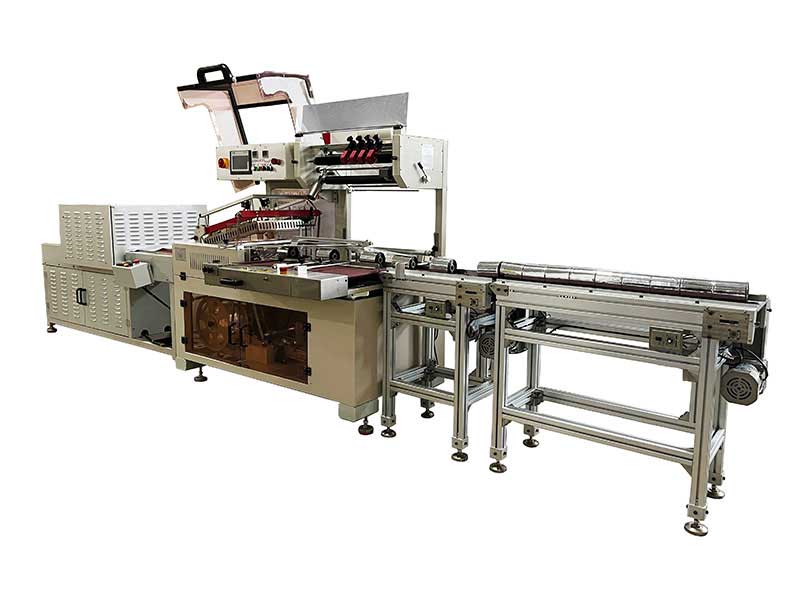 Thermal Transfer Ribbons Packaging Machine
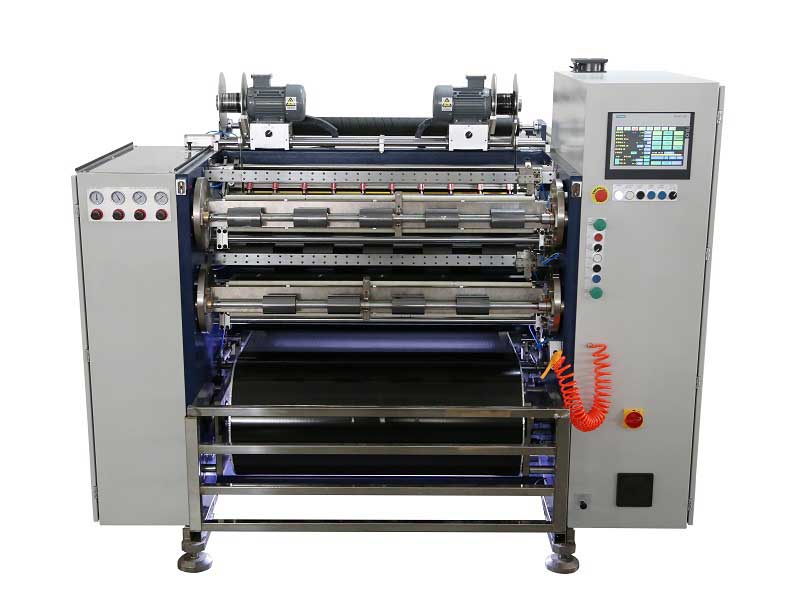 Automatic Thermal Transfer Ribbon Slitting Machine RSDS8 H PLUS
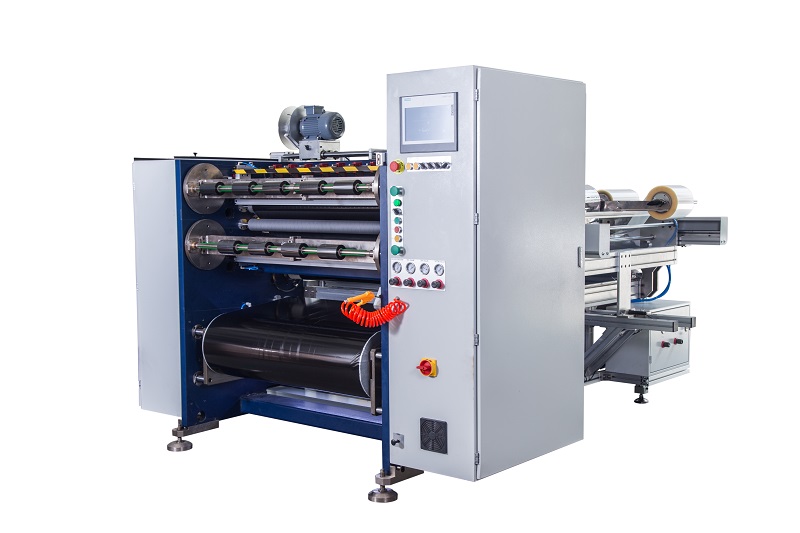 Semi Automatic Thermal Transfer Ribbon Slitting Machine RSDS5 PLUS
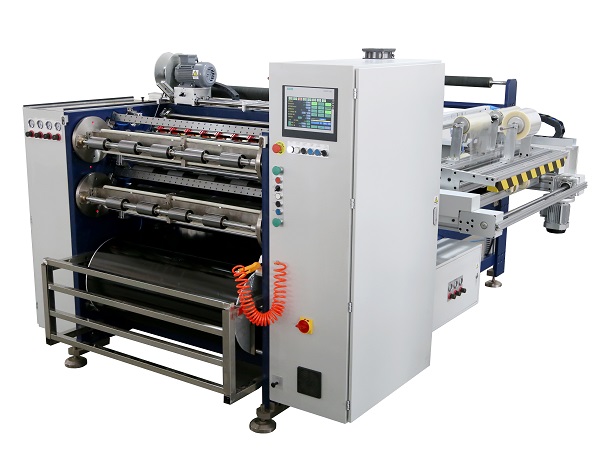 Automatic Thermal Transfer Ribbon Slitting Machine RSDS8 PLUS
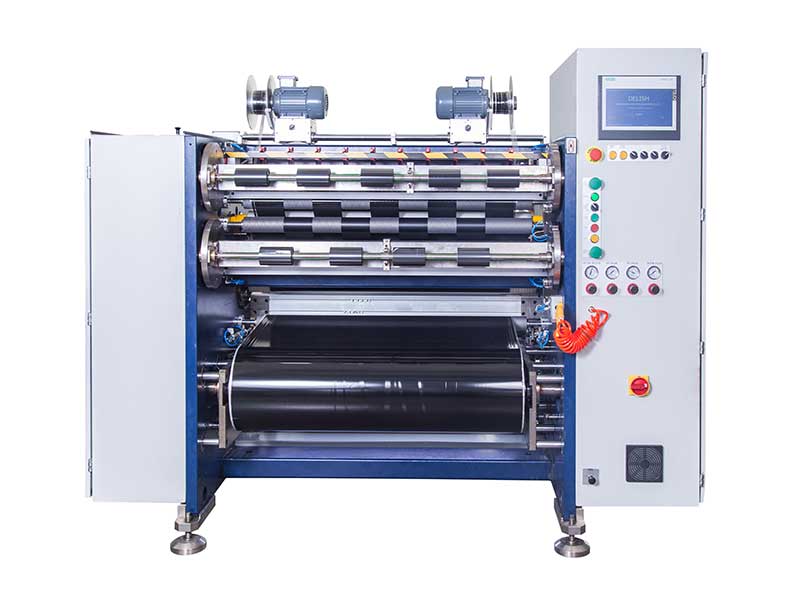 TTR Slitting Machine
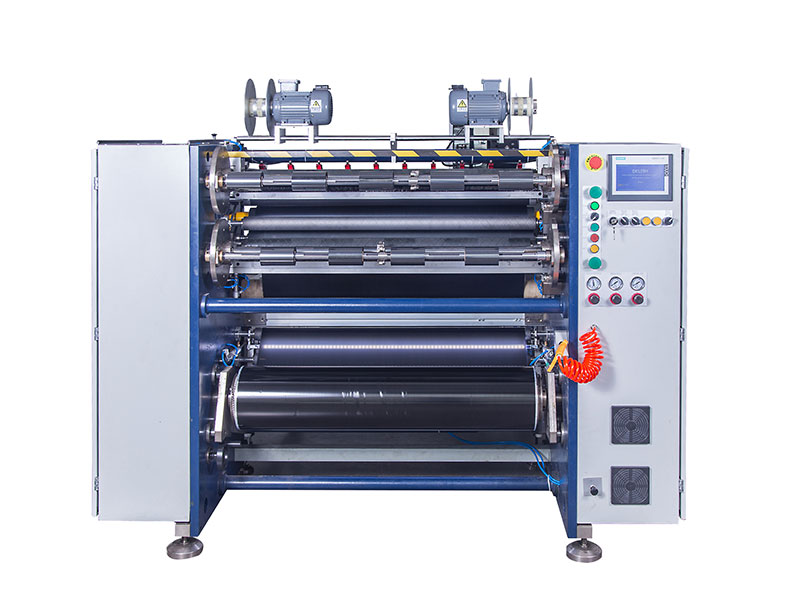 Barcode Ribbon Slitting Machine
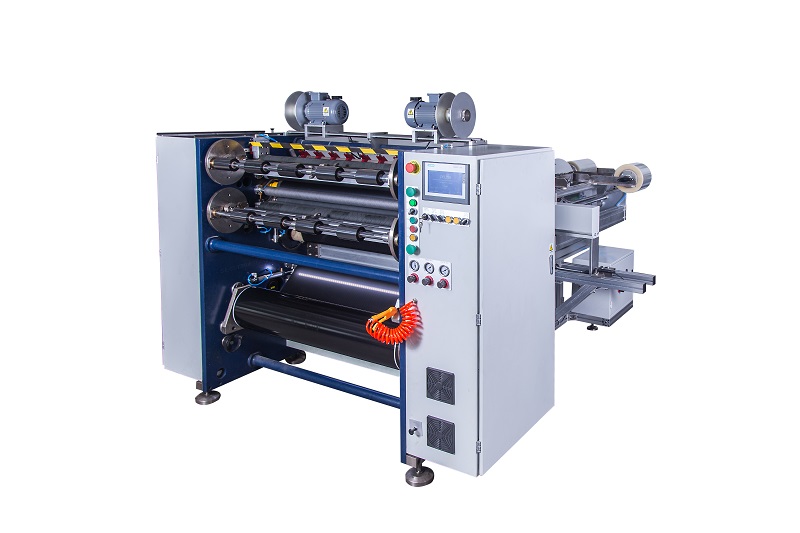 Semi Automatic Thermal Transfer Ribbon Slitting Machine RSDS1 PLUS
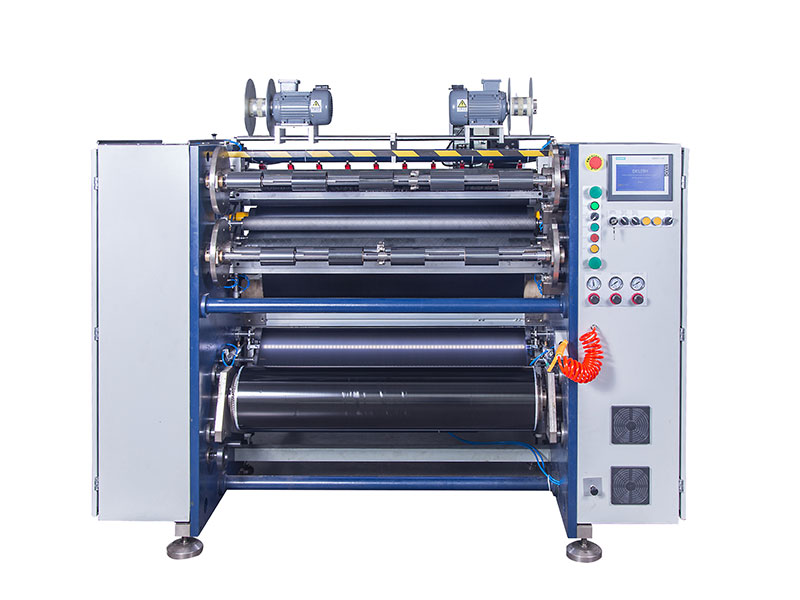 Ribbon Slitting Machine


 +86 135 9951 7291
 support@delishmachine.com