Abstract
As two important polymer film materials, lithium battery separator and PET film have certain similarities in the slitting process, but the difference in material properties also puts forward different requirements for slitting equipment. This paper systematically analyzes the versatility and limitations of the two in slitting machine equipment from the perspectives of material characteristics, slitting principle, equipment structure and process parameters, and provides a reference for film manufacturers to optimize equipment configuration and reduce investment costs.
1. Introduction
With the rapid development of new energy vehicles and energy storage industries, the market demand for lithium battery separators continues to grow. At the same time, PET film is becoming increasingly widely used in packaging, electronics, optics and other fields. Both are thin polymer film materials, and slitting is a key process in the production process. Many companies want to be compatible with the processing of two products on the same slitting machine to improve equipment utilization. However, there are significant differences between lithium battery separators and PET films in terms of material, thickness, strength, and heat sensitivity, which directly affects the versatility of slitting equipment.
2. Comparison of material properties
| Characteristics | Lithium battery separator | PET film |
| Typical thickness | 5~25μm | 12~250μm |
| Tensile strength | Low (easy to deform) | Higher (dimensionally stable) |
| Thermal shrinkage | High (obvious above 120°C) | Low (good temperature resistance) |
| Surface properties | Porous structure with low coefficient of friction | Smooth and dense, with a moderate coefficient of friction |
| Static Sensitivity | High | Medium |
| Brittleness | Lower (more flexible) | High (brittle when thin) |
As can be seen from the table, lithium battery separators are thinner, softer, easy to stretch and deformed, and easy to generate static electricity, while PET films are relatively thicker, have high strength, and have good temperature resistance. These differences directly affect the design of the slitting process.
3. The requirements of the slitting process for the equipment
3.1 Unwinding and tension control
Lithium battery separators are extremely sensitive to tension. Tension fluctuations during slitting can easily lead to tensile deformation of the separator and damage to the pore structure, which in turn affects the safety of the battery. Therefore, diaphragm slitting machines usually use closed-loop automatic tension control and have a low tension set value (usually in the range of 30~80N/m width).
PET film has higher strength, wider allowable tension range (100~300N/m), and relatively low requirements for tension control accuracy.
Versatility analysis: If a device wants to meet both requirements, it must be equipped with a high-precision, wide-range tension control system that can quickly switch tension parameters. The current mainstream high-end slitting machines have this capability, but low-end equipment is difficult to take into account.
3.2 Slitting method and blade selection
Lithium battery separator slitting mainly uses circular knife shearing or razor, which requires the blade to be sharp and wear to avoid burrs and dust. Since the diaphragm is a porous structure, blade extrusion can easily lead to the collapse of the hole wall, so the blade angle and pressure need to be precisely controlled.
PET film slitting can be done with circular knives, razors, or extrusion knives, which require relatively low knife sharpness, but thin PET is prone to cracks and also requires high-quality blades.
Versatility analysis: Both can be cut with a round knife or razor, but the diaphragm is more sensitive to tool wear. Universal equipment should be equipped with a quick-change tool holder system and allow for independent adjustment of tool pressure. In actual production, some enterprises can switch products by changing the blade model, and the tool holder structure has good versatility.
3.3 Rewinding quality requirements
The winding of the lithium battery separator requires no wrinkles, no stretching, neat end faces, and the core should not be too tight or too loose. Usually the center winding + contact roller mode is adopted, and the contact pressure needs to be automatically adjusted.
PET film winding is relatively easy, and can be used for surface winding or center winding, and the accuracy requirements for contact pressure are not as demanding as those of the diaphragm.
Universality analysis: The winding requirements for diaphragms are more stringent. If a slitting machine can meet the winding quality of the diaphragm, it can fully meet the requirements of PET film. On the contrary, equipment that is only used for PET is often failed to be used directly for diaphragms. Therefore, from the perspective of winding, diaphragm-level equipment is backward compatible with PET.
3.4 Dust removal and static electricity removal
Lithium battery separators are extremely sensitive to dust and static electricity. Dust may cause micro-short circuits in the battery; Static electricity not only absorbs dust but can also cause sparks. Therefore, the diaphragm slitting machine must be equipped with high-efficiency dust removal devices (such as sticky dust rollers, ion air rods) and static eliminators.
The static electricity and dust problems of PET film are relatively minor, and dust removal is generally sufficient, and static electricity elimination is not necessary.
Universality analysis: Equipment equipped with a complete dust and static removal system can be used for PET, but not vice versa. The equipment is versatile in the direction of high cleanliness.
3.5 Speed and efficiency
The separator slitting speed of lithium batteries is usually 30~100m/min, which is slower to ensure quality. PET film slitting speed can reach 200~400m/min.
Generality analysis: Low-speed equipment can be used for processing high-speed materials, but the production capacity is low and uneconomical. If high-speed equipment is used for diaphragms, it must have low-speed stable control capabilities. Generally, medium-speed slitting machines (about 150m/min) can take into account both.
4. Comprehensive evaluation of equipment versatility
| Evaluate the dimension | Whether it is universal | Description |
| Tension control system | Partially universal | A high-precision wide-range controller is required |
| Tool holder and knife | Basically universal | Replaceable blade adjustment |
| Winding Agency | Unidirectional universal | Diaphragm-grade devices can be used for PET |
| Dust removal and static electricity removal | Unidirectional universal | High-standard devices are backwards compatible |
| Drive and speed | Partially universal | Medium speed equipment is best |
| Overall equipment | conditionally universal | It is recommended to configure a high-end multi-functional slitting machine |
Conclusion: Lithium battery separator and PET film do not have complete plug-and-play versatility in the slitting machine, but by selecting a mid-to-high-end, high-end tension control slitting machine, with dust and static removal function, and adjustable tool holder, the compatible production of the two materials can be realized. It is generally recommended to select equipment based on the slitting requirements of the diaphragm, and then backward compatible with PET film, which can not only ensure the quality of the diaphragm, but also expand the use of the equipment.
5. Practical application suggestions
1. New equipment: If you plan to produce two materials at the same time, it is recommended to purchase a multi-functional slitting machine marked "suitable for lithium battery separators", and confirm that the tension control accuracy is better than ±0.5N, and the minimum tension can reach 20N/m.
2. Modification of existing equipment: If PET-based equipment is compatible with diaphragms, it is necessary to install a low-tension closed-loop control system, static eliminator and dust removal device, and replace sharper blades.
3. Production management: When switching products, thoroughly clean the roller surface, replace the corresponding blades, and reset tension parameters and contact pressure to avoid cross-contamination.
4. Cost-effectiveness: If the annual output of both materials is large, it is recommended to configure special equipment separately; If it is a small-batch, multi-variety production mode, it is more economical to choose a general-purpose mid-to-high-end slitting machine.
6. Prospects
As thin film materials move towards thinner and higher performance, slitting equipment will become more intelligent and modular in the future. The application of technologies such as quick-swappable tension modules, adaptive tool systems, and AI process parameter recommendations will further enhance the versatility of lithium battery separators and PET film slitting machines, providing greater production flexibility for film processing enterprises.
References:
[1] Wu Hui. Research on Preparation and Slitting Process of Lithium-ion Battery Separator[J]. Energy Storage Science and Technology, 2021.
[2] Zhang Zhiqiang. Quality Control in PET Film Slitting Process[J]. Plastic Packaging, 2020.
[3] Li Guohua. Discussion on the universal design of film slitting equipment[J]. Mechanical Design and Manufacturing, 2022.
 English
 Deutsch
 Français
 Español
 Português
 日本語
日本語 русский
 한국어
한국어 عربي
عربي ภาษาไทย
 Tiếng Việt
 Italiano
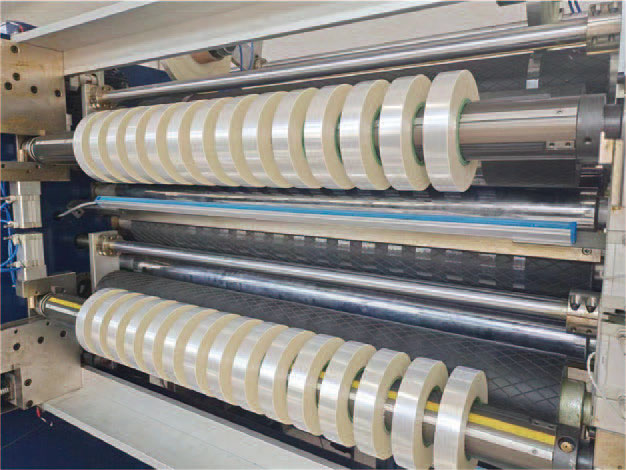
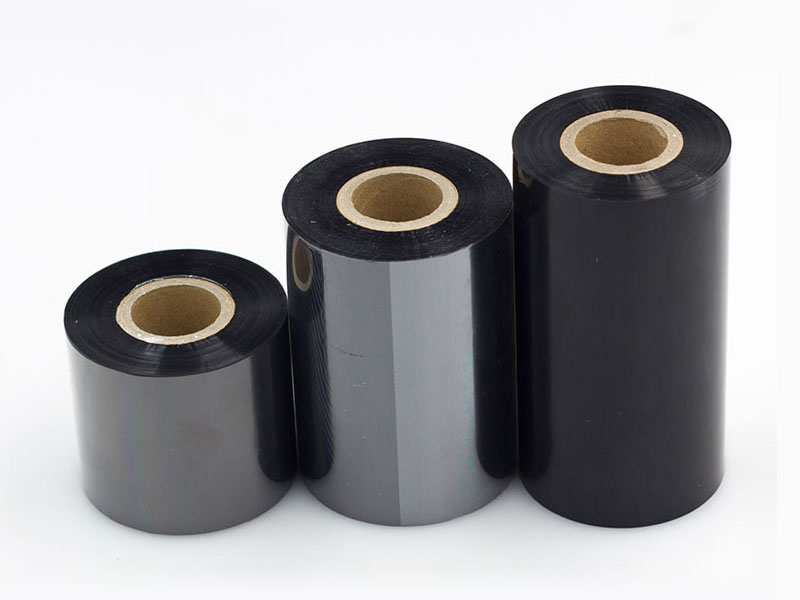
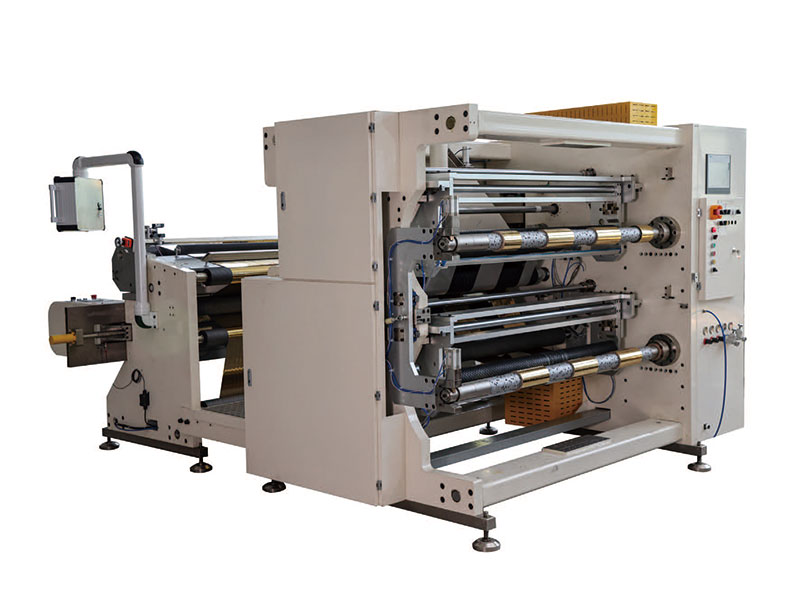 1400mm Hot Stamping Foil Slitting Machine
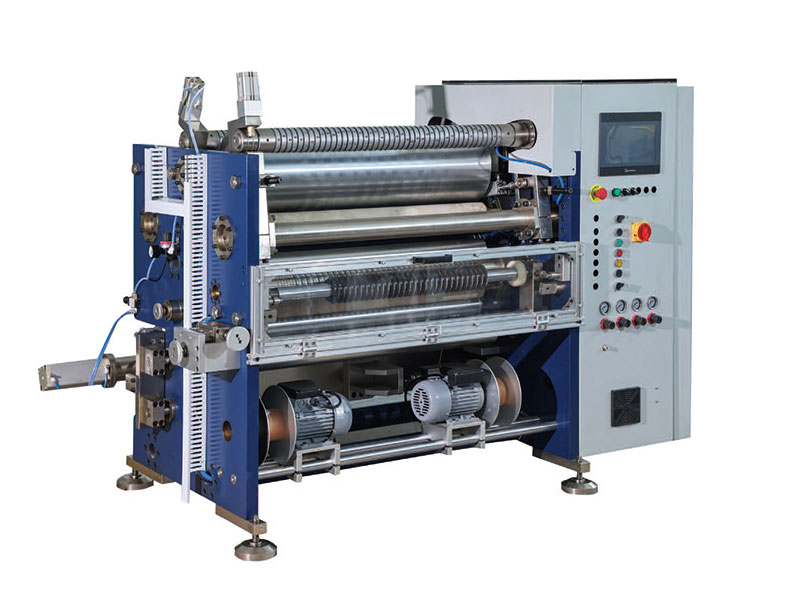 800mm Hot Stamping Foil Slitting Machine
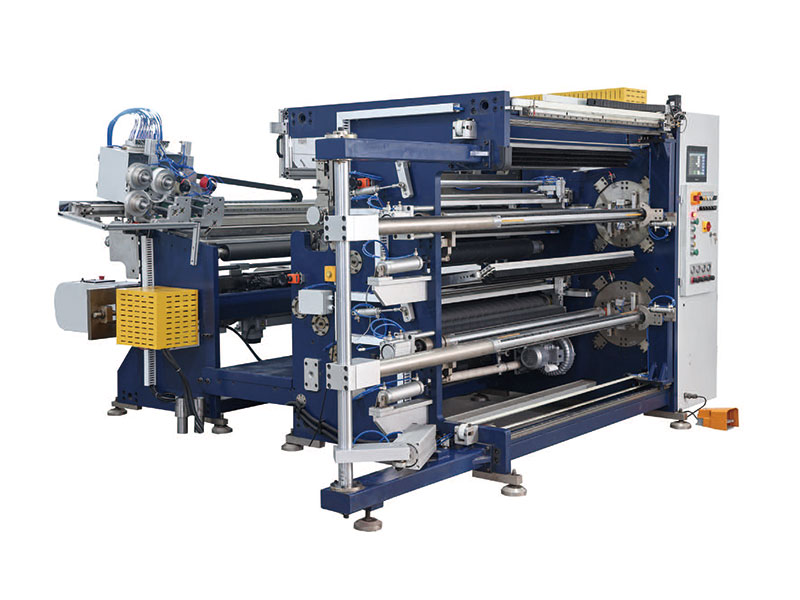 1350mm Hot Stamping Foil Slitting Machine
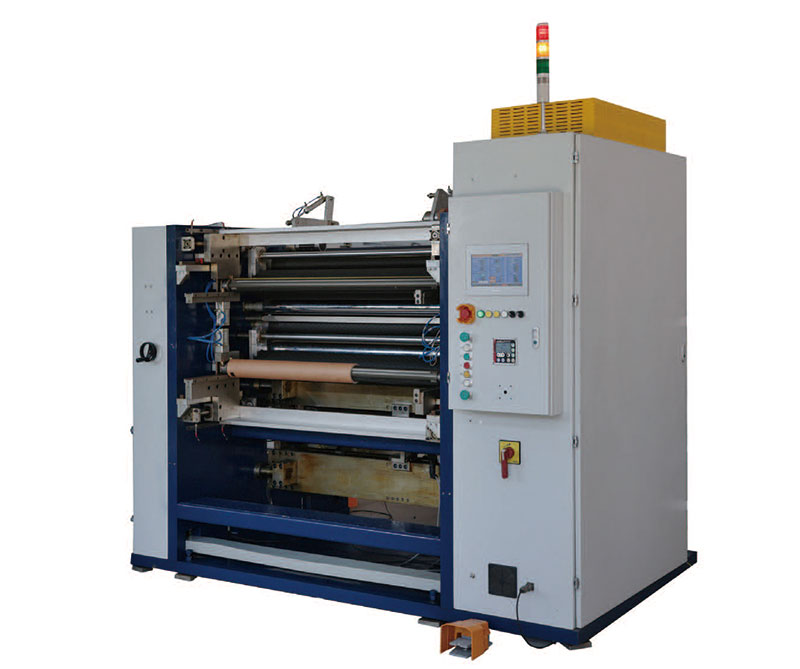 New Energy Ultra-thin Film Slitting Machine For MOPP
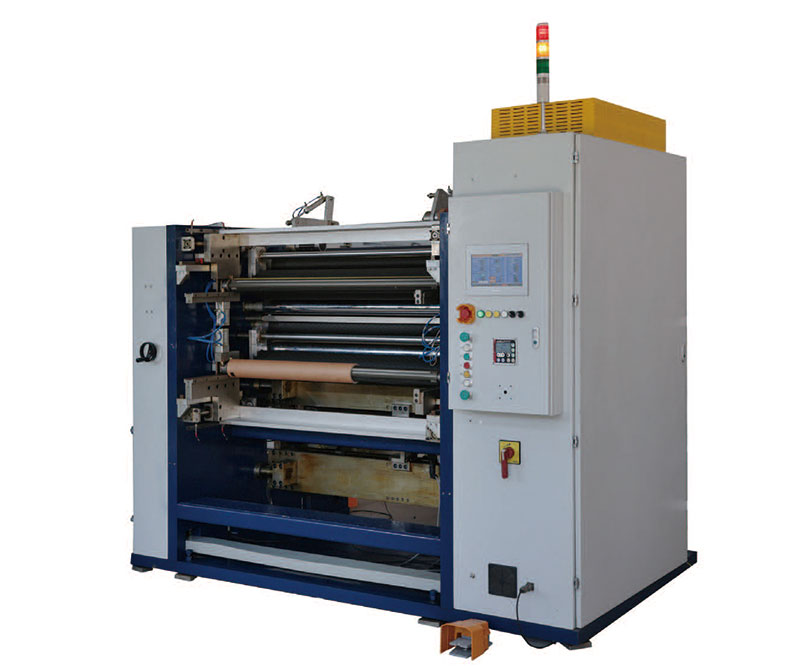 New Energy Ultra-thin Film Slitting Machine For MPET
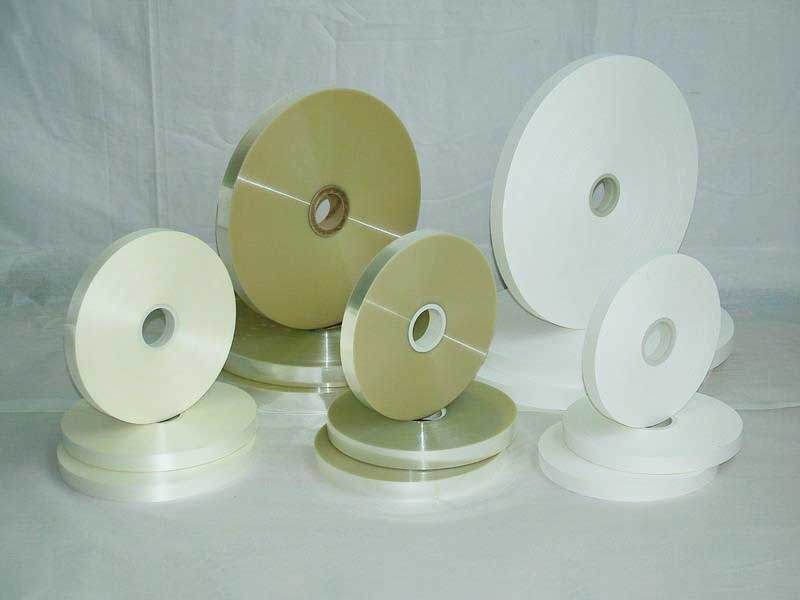 Film Slitting Machine
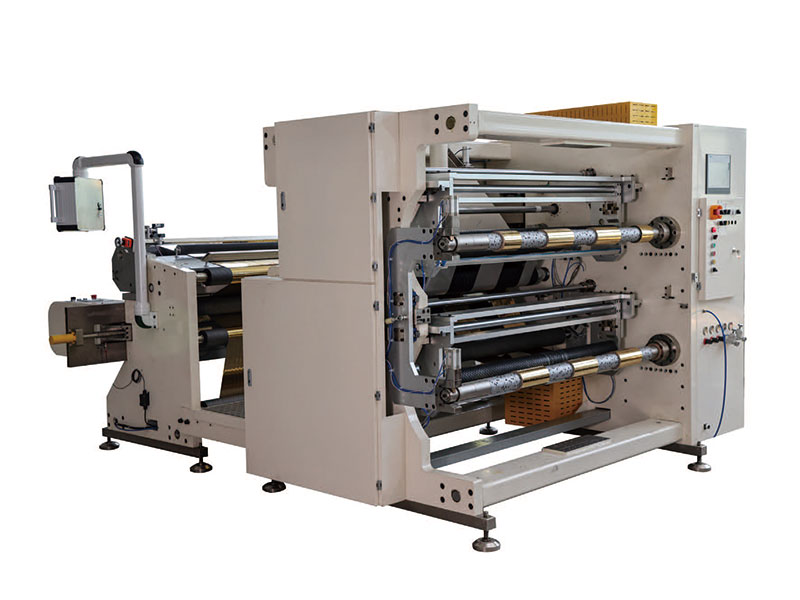 1400mm Copper Foil Slitting Machine


 +86 135 9951 7291
 support@delishmachine.com