Abstract:
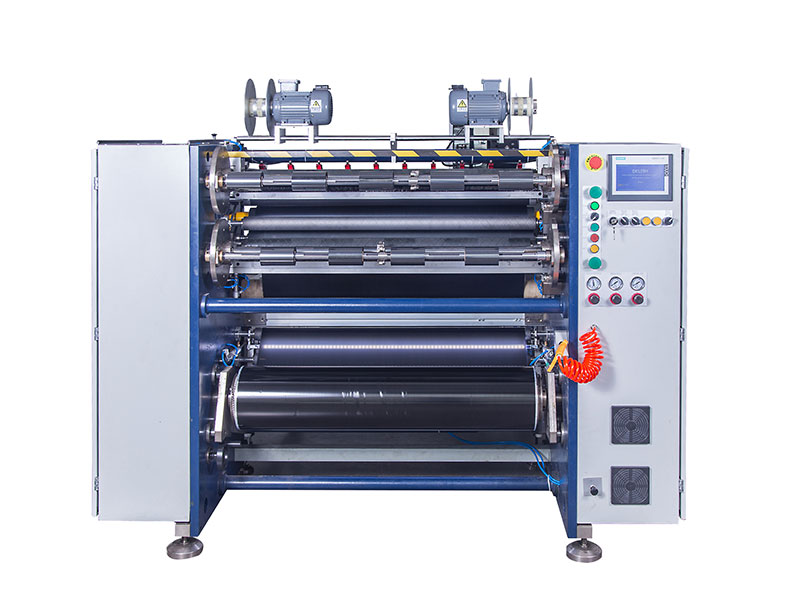
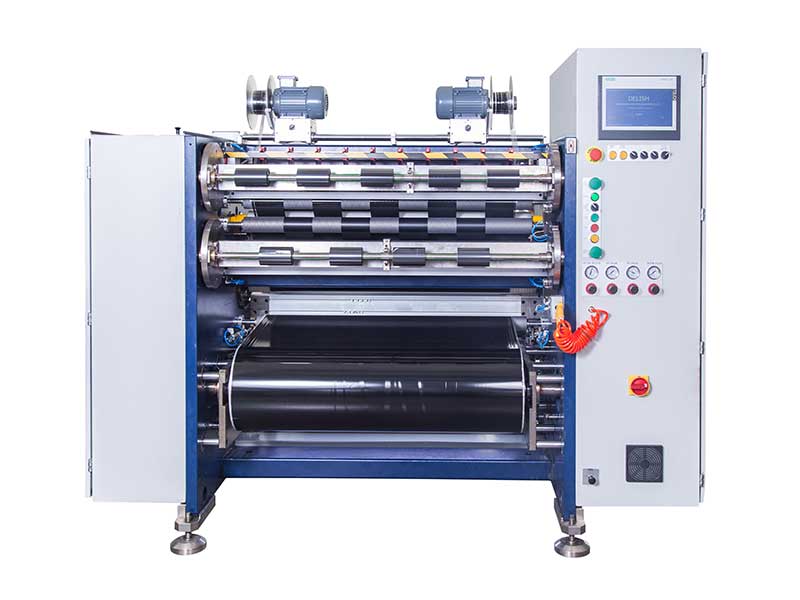
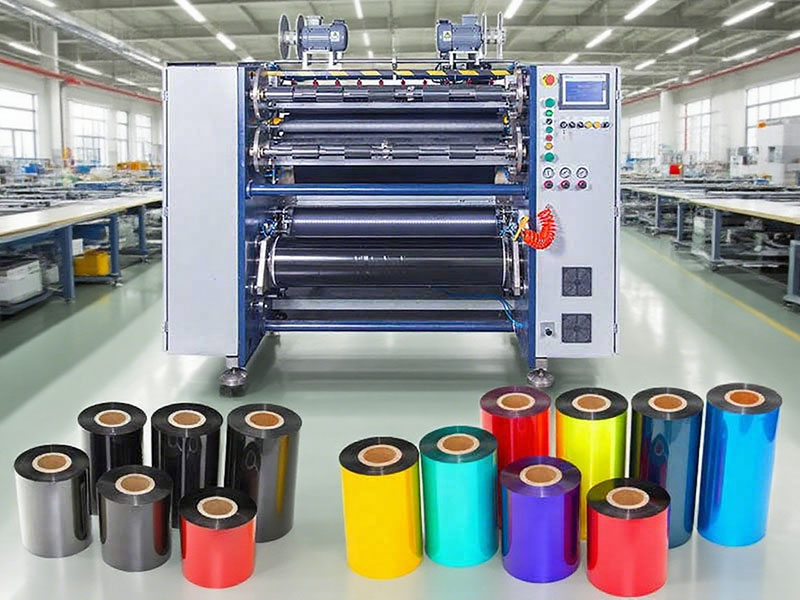
Ribbon (Thermal Transfer Ribbon) In the production process, the slitting process is a key part of determining the quality of the finished product. With the development of ribbon coating to high sensitivity, high heat resistance and thinness, the untimely disposal of waste (edge filament) and fine dust pollution generated during the slitting process have become the main bottlenecks affecting production efficiency and product appearance quality. This paper discusses the structural optimization of the waste discharge system of the ribbon slitting machine in depth, and proposes a set of efficient and stable comprehensive solutions for waste discharge and dust removal by combining negative pressure pneumatic design and electrostatic dust removal technology.
1. Introduction
The ribbon is mainly composed of a base film, a back coating and an ink layer. During the slitting process, the large coil of master coil is cut into several narrow coils that meet specifications. This process produces waste edges on both sides (usually 2-5mm in width) and inevitably produces fine coating powder and substrate debris due to the high-speed friction between the tool and the film.
Traditional waste discharge systems mostly rely on simple winding reels or fan blowing, and often have problems such as waste edge winding, broken wires, and secondary dust adhesion. This not only leads to high equipment downtime, but also causes quality defects such as "white spots" and scratches on the surface of the ribbon. Therefore, optimizing the waste discharge system and implanting an efficient dust removal design is an inevitable requirement to improve the comprehensive performance of ribbon slitting equipment.
2. Analysis of the pain points of the existing waste disposal system
When investigating the existing equipment, we found that the traditional waste discharge system mainly has the following three major pain points:
1. Waste edge wire winding and blockage
In the traditional "passive" waste reel, if the tension is not properly controlled, it is very easy for the waste edge wire to deviate and wind on the spindle or transmission roller. Once winding occurs, the cleaning process is complex, usually requiring more than half an hour of downtime, which seriously affects the slitting efficiency.
2. Secondary pollution of dust
The fine dust generated by slitting is suspended under the action of high-speed rotating rollers and air currents. Since the surface of the ribbon usually carries a certain amount of static electricity, these dusts will be firmly attached to the surface of the finished ribbon due to electrostatic adsorption. When printing on thermal transfers, this dust can cause broken print needles or missing handwriting.
3. Airflow interference
Many equipment uses high-power fans to directly purge and discharge waste, and the disordered airflow will interfere with the stability of the slitting area, resulting in the shaking of the film surface and affecting the flatness of the slitting end face.
3. Optimization design of waste discharge system structure
In view of the above problems, the optimization of the waste disposal system should shift from "passive winding" to the combination of "active traction + negative pressure conveying".
1. Independent servo-driven waste edge winding mechanism
Conventional torque motors cannot accurately match the slitting speed. It is recommended to use an independent servo motor to control the waste edge rewinding shaft and be equipped with floating roller tension detection.
• Optimization Point: Changed the scrap edge rewinding from "Speed Control" to "Tension Control". When the slitting speed changes, the waste disposal system can respond in real time to keep the tension of the waste edge constant and prevent folding and winding caused by too loose tension or pulling due to excessive tightness.
2. Negative pressure waste edge conveying pipeline
Abandon the traditional open guide wheel guidance and adopt a fully enclosed negative pressure pipeline.
• Structural design: flared waste edge suction ports are provided on both sides of the slot roller. Using the negative pressure generated by the high-pressure fan, the freshly cut waste edge is instantly "sucked" into the pipe.
• Advantages: Physically isolates waste edge wires from transmission parts, eliminating the risk of entanglement. At the same time, due to the high airflow velocity in the pipeline (usually designed to be 20-30m/s), the waste edge wire can be quickly transported to the collection bin, avoiding accumulation around the machine.
3. Modular waste collection system
Cyclone separator and compression baler are arranged at the end of the pipe. The waste edge falls into the collection box after despeeding through the cyclone, and the gas is discharged or returned after filtration. This design reduces the frequency of manual cleaning of waste materials and enables continuous production.
4. Refined design of dust removal system
Dust removal design is the core of ensuring the cleanliness of the ribbon. Dust removal cannot be done with a simple brush alone, but must be a combination of "contact peeling" and "non-contact adsorption".
1. Static neutralization system
At the front end of the slitting station and the front section of winding, an AC corona type static eliminator rod is installed.
• Principle: Use high-pressure ionized air to generate positive and negative ions to neutralize the electrostatic charge generated by high-speed peeling and friction on the surface of the ribbon.
• Design points: The electrostatic elimination rod should be installed at the "wrapping arc" of the film, 10-30mm away from the film surface to ensure that the elimination effect is maximized. Eliminating static electricity is the prerequisite for dust removal, otherwise the dust will be firmly adsorbed under the action of static electricity and difficult to remove.
2. Double-sided contact dust removal mechanism
Design a non-abrasive dust removal structure for different characteristics of the two sides of the ribbon (ink surface and back coating):
• Sticky dust roller system: a combination of a pair of sticky dust rollers (silicone self-adhesive rollers) and dust collection paper rolls is set up on the path after slitting and before winding.
◦ Structure optimization: The "film traversal" layout is adopted, so that the ribbon is wrapped on the sticky dust roller in an "S" shaped path to increase the contact area. The surface of the sticky dust roller is slightly viscous, which can adhere to the particulate matter on the surface of the ribbon, and then transfer the dust on the sticky dust roll through the self-clutching dust collection paper roll to achieve self-cleaning.
• Anti-bending design: The roll diameter of the dust removal unit should be greater than 80mm to avoid excessive bending of the ribbon due to the small roller diameter, and prevent wrinkles or coating cracking.
3. Negative pressure siphon dust removal
Slit negative pressure nozzles are installed directly below the cutting point of the tool and at the last station before winding.
• Fluid simulation optimization: The opening width of the nozzle should be designed to be gradient to ensure uniform wind speed across the entire width. Combined with HEPA high-efficiency filter, it ensures that the exhausted air meets the 10,000-level cleanliness standard to prevent secondary pollution.
• Airflow organization: The airflow direction of the dust removal system should be opposite to the direction of the ribbon (countercurrent adsorption), and the airflow shear force should be used to "peel" and remove the dust hidden deep in the tiny depressions of the coating.
5. Intelligent control strategy
In order to ensure the stability of the waste discharge and dust removal system under different working conditions (different materials, different widths, different speeds), intelligent control logic must be introduced:
1. Linkage business model:
The start-stop and tension settings of the waste disposal system are bound to the operating status of the main slitting machine. When the main engine is activated, the waste discharge system brakes synchronously to prevent the accumulation of waste edges due to inertia.
2. Dust Concentration Monitoring:
Dust sensors are installed in dust collection pipes and critical clean areas. When an abnormally high dust concentration is detected, the system automatically adjusts the frequency of the negative pressure fan (increases suction) or issues an alarm to remind the sticky dust roller to be replaced.
3. Self-diagnostic function:
Monitor the current of the exhaust fan and the pressure in the negative pressure pipe. If the pressure is abnormally elevated, it indicates that the pipe is blocked; If the pressure is abnormally reduced, it indicates a system air leak or a waste side inlet is stuck by a foreign object.
6. Application effect and conclusion
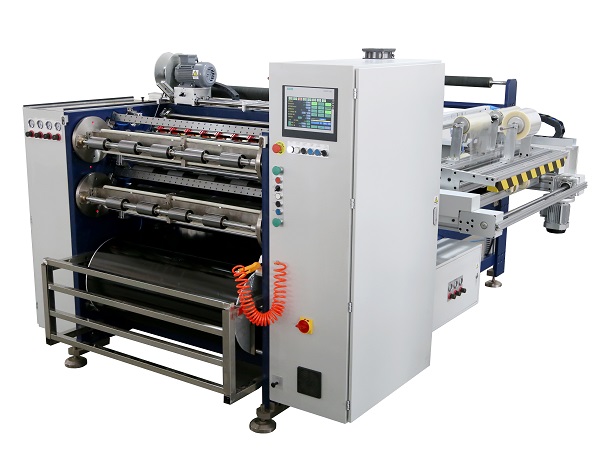
Through the above transformation of a certain model of high-speed ribbon slitting machine (including servo waste discharge, negative pressure pipeline, static elimination and sticky dust + negative pressure combined dust removal), the practical application data shows:
• Equipment downtime: Downtime due to waste edge winding has been reduced by more than 90%.
• Product yield: The rate of "white spot" appearance defects caused by dust has been reduced from 1.2% to less than 0.1%.
• Operation and maintenance: The frequency of operator cleaning waste materials is reduced from once an hour to once per shift, which greatly reduces labor intensity.
Conclusion:
The optimization and dust removal design of the ribbon slitting machine is not an isolated mechanical change, but a system engineering involving fluid mechanics, electrostatics, and automation control. By adopting the composite dust removal strategy of active negative pressure waste discharge and electrostatic neutralization + sticky dust + negative pressure suction, it can effectively solve the winding and pollution problems in the ribbon slitting process, and is a key technical path to improve the product quality and production efficiency of high-end thermal transfer ribbons.
Note: This article is written based on the general technical principles and engineering practice experience of the industry, and the specific equipment parameters need to be adjusted according to the actual model and material characteristics.)
 English
 Deutsch
 Français
 Español
 Português
 日本語
日本語 русский
 한국어
한국어 عربي
عربي ภาษาไทย
 Tiếng Việt
 Italiano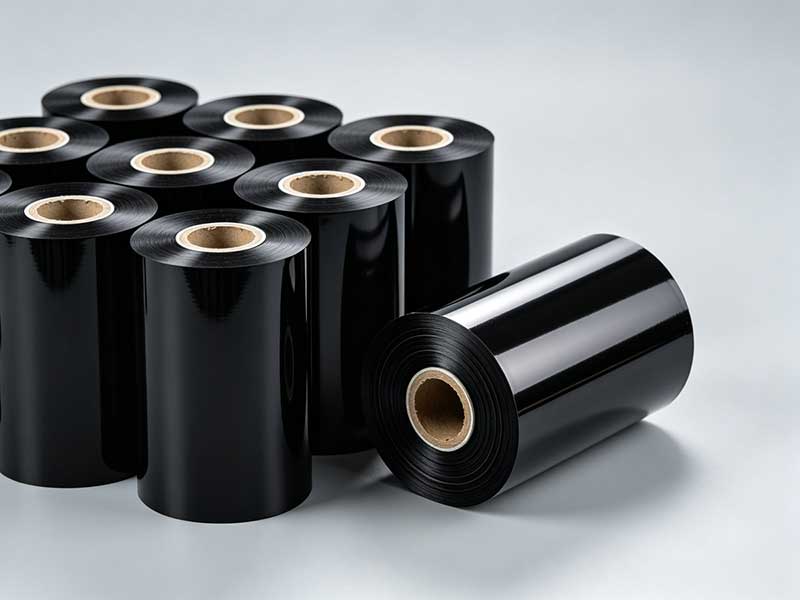
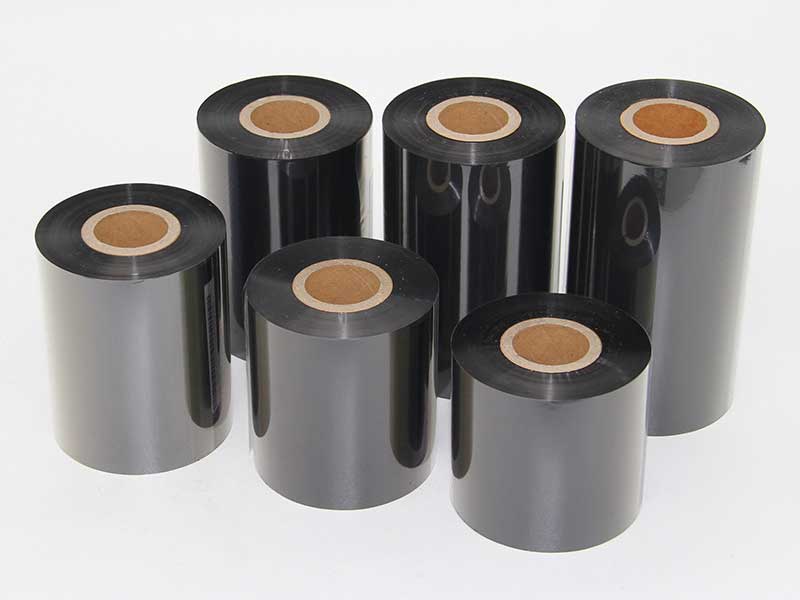
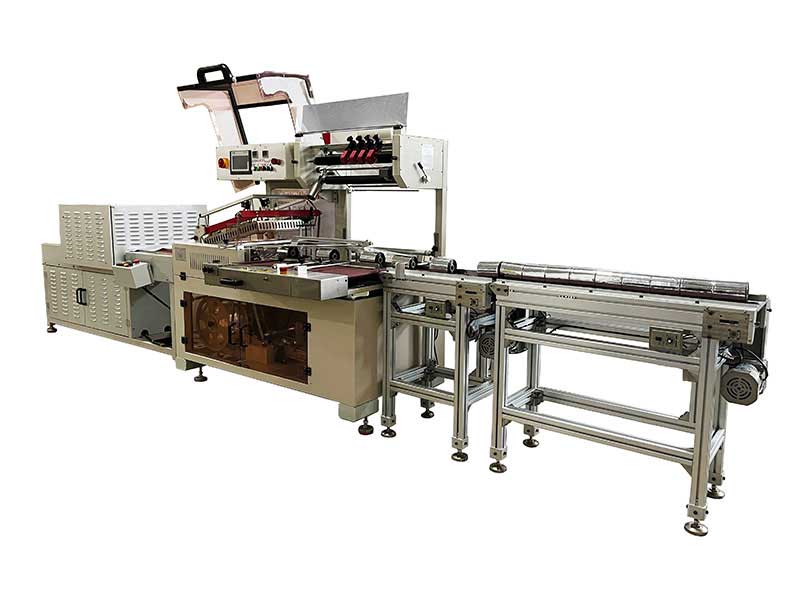 Thermal Transfer Ribbons Packaging Machine
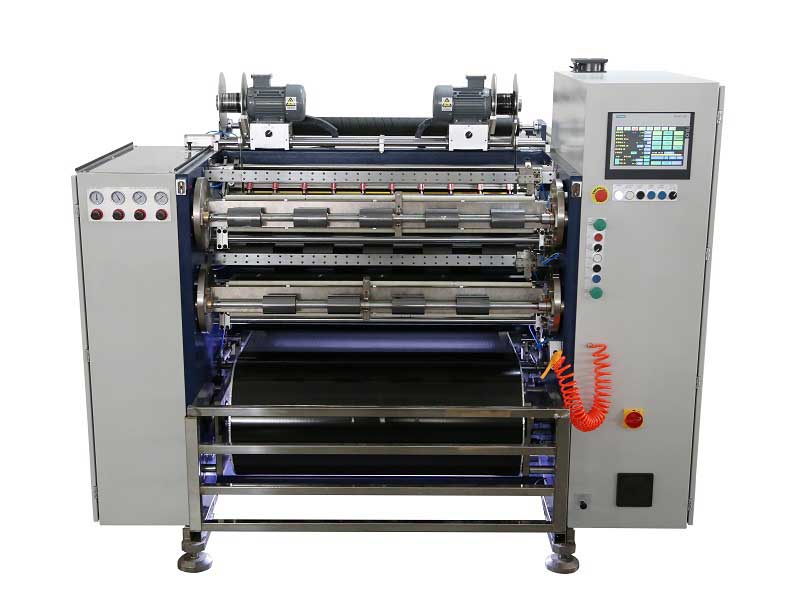 Automatic Thermal Transfer Ribbon Slitting Machine RSDS8 H PLUS
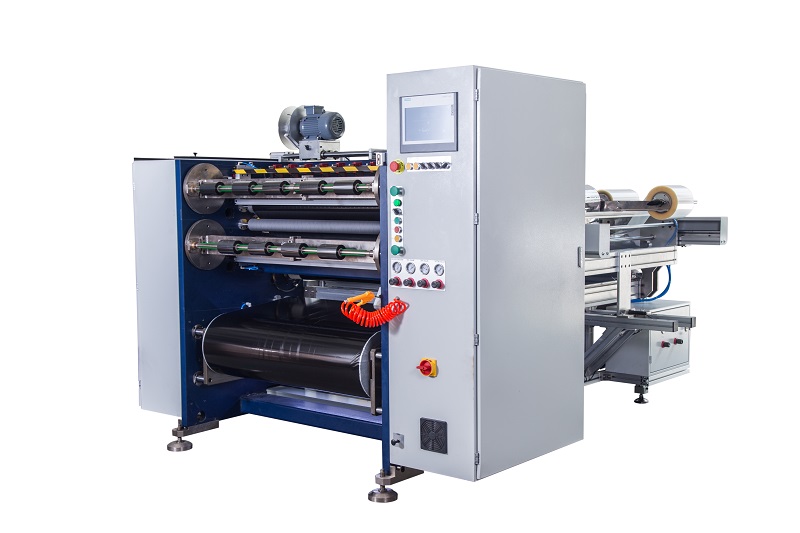 Semi Automatic Thermal Transfer Ribbon Slitting Machine RSDS5 PLUS
 Automatic Thermal Transfer Ribbon Slitting Machine RSDS8 PLUS
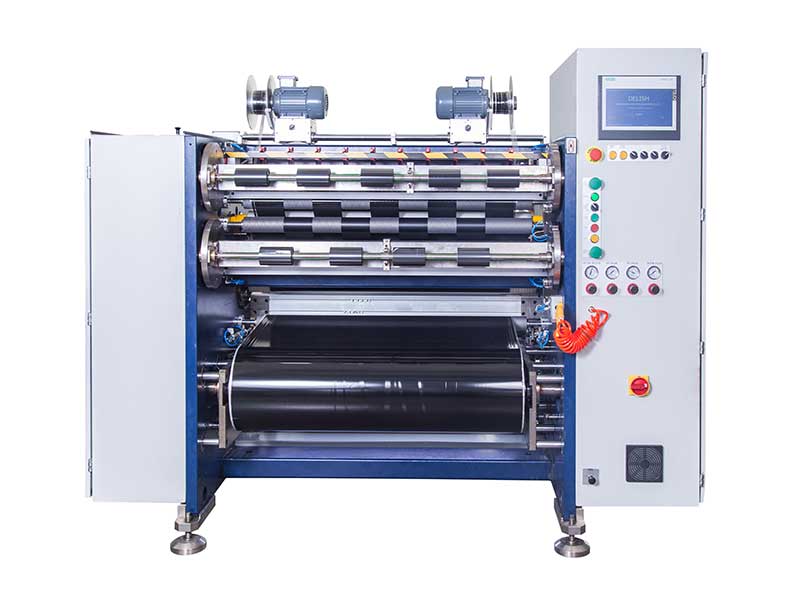 TTR Slitting Machine
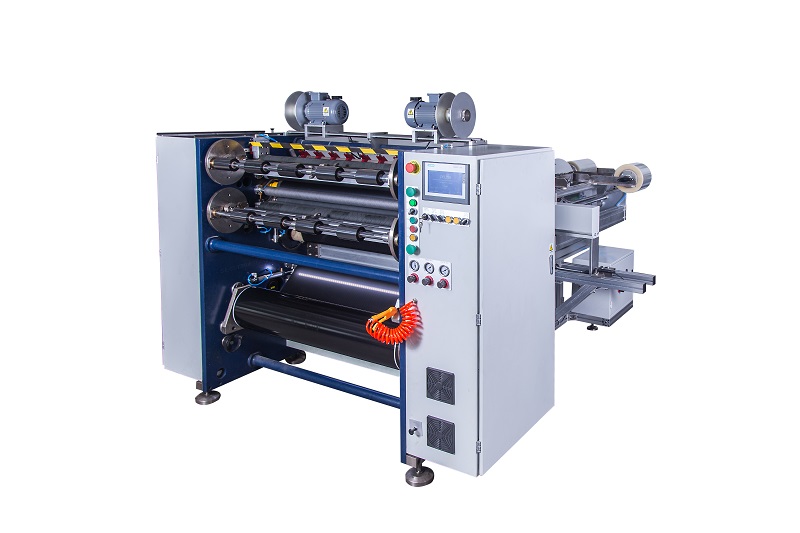 Semi Automatic Thermal Transfer Ribbon Slitting Machine RSDS1 PLUS
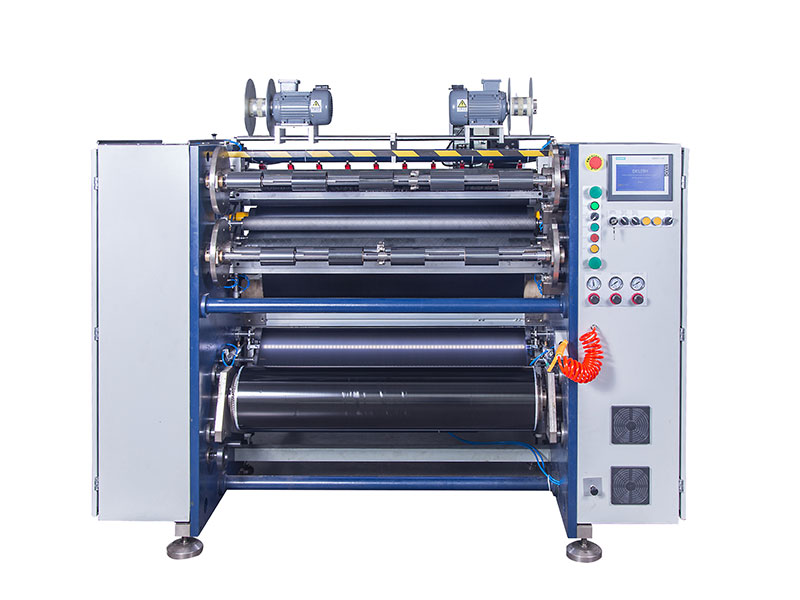 Ribbon Slitting Machine


 +86 135 9951 7291
 support@delishmachine.com