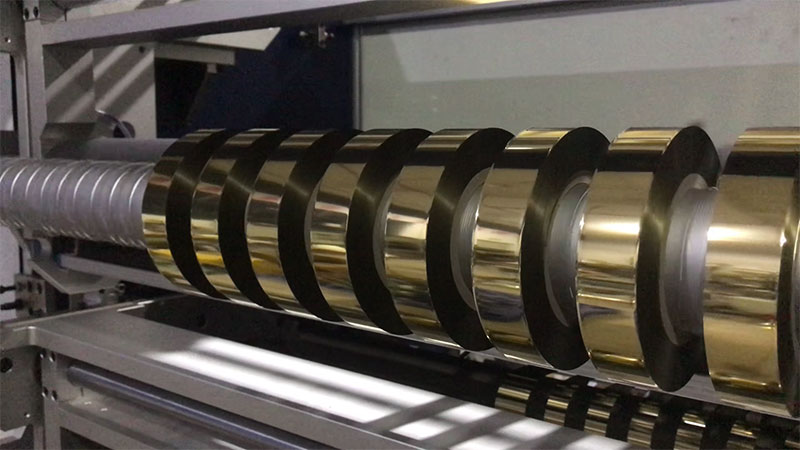
As a high value-added decorative material, hot stamping foil (electrochemical aluminum) is crucial in the production process. Slitting not only determines the final width of the product, but also directly affects the smoothness of foil feeding, the accuracy of jumping steps, and the yield of the final product on the hot stamping machine.
In the face of a dazzling array of slitting machine models on the market, how to choose a model to meet the current production needs while taking into account future process expansion? This article will provide you with a set of systematic selection ideas based on the matching of core mechanical parameters and hot stamping foil process characteristics.
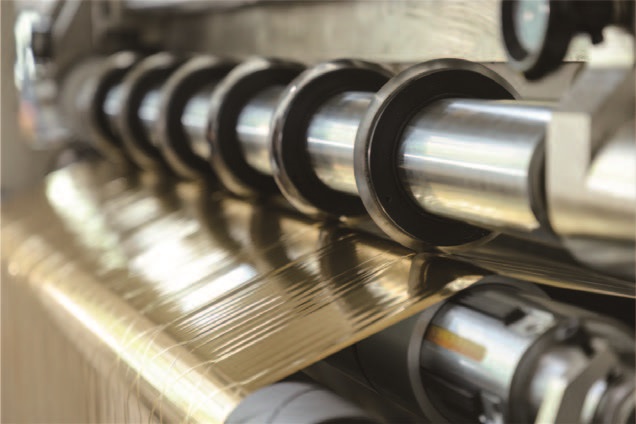
1. Core cognition before selection: the quality of slitting determines the quality of hot stamping
Before selecting a model, it is necessary to establish a cognition that the precision of the slitting machine directly determines the production efficiency of the hot stamping workshop.
If there are burrs or tiny cracks on the slitting edges (commonly known as "ruffles"), it is very easy to cause foil breakage or incomplete hot stamping during hot stamping. Therefore, the first step in selection is to clarify how high your requirements are for "section quality" and "tension stability".
2. Key parameters and process matching strategies
Here are four core dimensions to consider when selecting:
1. Tension control system for unwinding and unwinding
Foil stamping foil is usually composed of PET base film (12μm-25μm), release layer, coloring layer, and adhesive layer, and the substrate is extremely thin and easy to stretch.
• Process pain points: excessive tension leads to stretching and deformation of the substrate, and overprinting is inaccurate during hot stamping; If the tension is too small, the winding will be uneven and there will be deviations.
• Selection Guide:
◦ Closed-loop tension control: A model with fully automatic closed-loop tension control must be selected. Preferably a system with a floating swing roller or a high-precision sensor that provides real-time feedback and adjusts tension.
◦ Winding method: For electroconverted aluminum with thin thickness (such as 12μm), it is recommended to choose center winding or center + surface gap winding. The central surface winding can effectively discharge the air between the layers and prevent the transfer of the aluminum layer due to excessive tight winding.
◦ Taper tension control: As the coil diameter increases, the tension should be reduced according to the set taper curve, which is especially important for winding large coil diameters (such as diameter above 400mm).
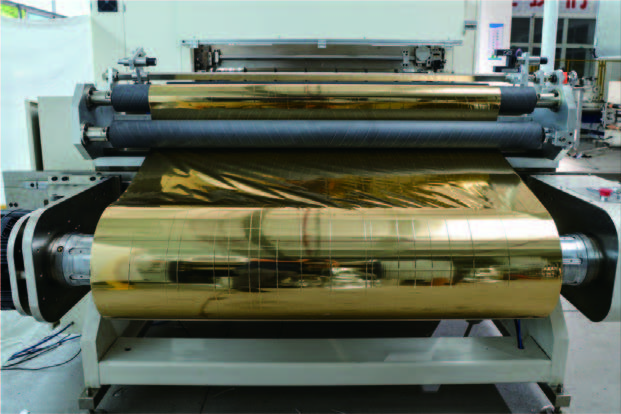
2. Slitting method: cutting through and edge quality
The cutting of hot stamping foil cannot have the slightest adhesion, and must be "cut in two".
• Process pain points: Traditional razor blade (flat knife) slitting is prone to cutting PET base film or flanging due to blade edge wear.
• Selection Guide:
◦ Prefer circular cutter slitting: Upper and lower disc cutters (shear slitting) are preferred in the hot stamping foil industry. It provides a smoother cutting surface, long blade life, and can accommodate frequent specification changes.
◦ Rigidity of the tool holder: Check the rigidity of the tool shaft, the wider the slitting width (such as more than 1.6 meters), the tool shaft cannot be bent under heavy pressure, otherwise the middle cut will be continuous, and both sides will be cut overhead.
3. Automation and tool layout efficiency
There are many specifications of hot stamping foil (from 2mm for narrow strips for hot stamping lines to 120mm for normal color blocks), and frequent order changes are the norm.
• Process pain points: manual tool arrangement is time-consuming and labor-intensive, and it is easy to cause dimensional deviation due to the lock knife not in place.
• Selection Guide:
◦ Hydraulic lock knife vs. manual lock knife: For high-precision requirements, it is recommended to choose a hydraulic lock knife system, which can ensure the uniform pressure of each tool group and prevent axial passage during the slitting process.
◦ Automatic tool rowing system: If you have a good budget, consider equipping it with an automatic positioning system. Enter the slitting width, and the tool holder will automatically move to the specified position, which can greatly shorten the order change time and reduce manual errors.
4. Dust removal and static elimination
During the slitting process, the trimming edge produces tiny aluminium powder and plastic dust.
• Process pain points: If aluminum powder adheres to the foil surface, it will form "hot stamping pockmarks" during hot stamping, which will directly lead to waste.
• Selection Guide:
◦ Multi-stage dust collection device: must be equipped with a dust collection system that combines contact (sticky dust roller) and non-contact type (ion air knife/suction outlet). When selecting, confirm the power and filtration accuracy of the vacuum fan.
◦ Static eliminator: Install an electrostatic eliminator rod at the winding and unwinding points to prevent static electricity from adsorbing dust, and at the same time avoid uneven winding caused by static electricity causing material slippage during winding.
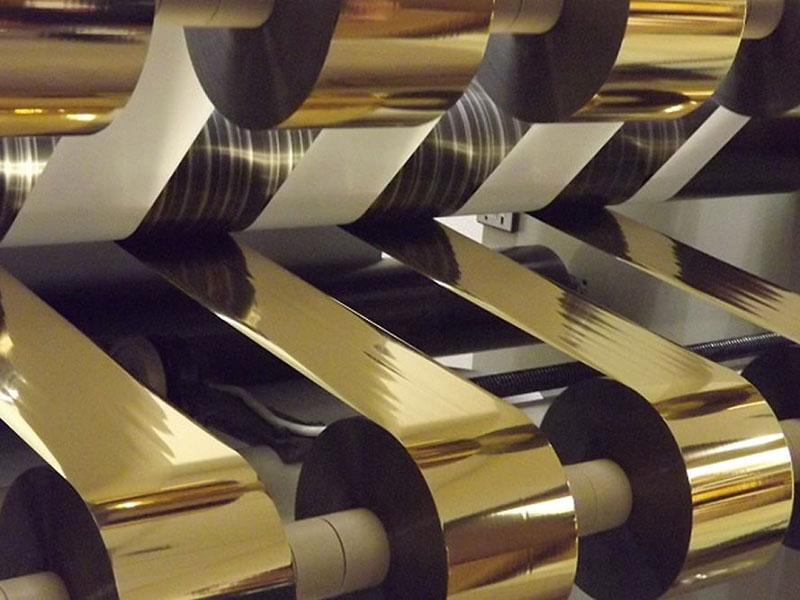
3. Selection comparison table: Determine the configuration according to the product positioning
For a more intuitive selection, you can refer to the following table according to your product type:
| Contrast dimensions | General purpose hot stamping foil slitting | High-end/special foil stamping slitting (e.g. holographic positioning, laser, ultra-thin foil) |
| Tension accuracy | ±1N-±3N | ± Within 0.5N (imported servo motor + low inertia guide roller required) |
| Slitting method | Shear circular knife | Shear round knife + optional carbide knife |
| Flatness of winding | Ordinary press roller | Clearance rewinding control + decreasing contact pressure |
| Edge detection | Manual visual inspection | CCD online defect detection (detection of burrs and notches) |
| Receiving station | Normal platform | Automatic film bonding mechanism with suction platform (reduces downtime losses) |
4. Supplier selection and after-sales service considerations
Equipment parameters are "hard power", and supplier services are "soft power".
1. Test machine verification: Before placing the final order, be sure to bring your master roll material to the equipment manufacturer for on-site testing. Observe the fluctuations in the neatness and tension of the slitting end face at different speeds (e.g., from 50 m/min at low speed to 200 m/min at high speed).
2. Blade Accessories Supply: Confirm whether the blades are standard parts and the availability of consumables from local suppliers. Once non-standard blades are out of stock, the entire production line may face production stoppage.
3. Technical support: A good supplier not only sells equipment, but also provides suggestions on slitting process parameters based on your material characteristics (such as adhesive layer viscosity, substrate thickness), such as tool angle angle, pressure setting of rollers, etc.
Epilogue
The selection of hot stamping foil slitting machine is essentially a balance between precision and efficiency. For enterprises that have just entered the field of hot stamping, an economical machine with manual knife adjustment and stable tension control may be enough to start; For professional manufacturers who pursue the ultimate hot stamping effect and high-speed production, investing in a high-end slitting machine with high-precision tension control, automatic knife rowing and powerful dust removal system is undoubtedly the optimal solution for brand reputation and long-term cost control.
I hope this article can help you clear the fog when buying equipment and find the most suitable "foil cutting tool" for you.
 English
 Deutsch
 Français
 Español
 Português
 日本語
日本語 русский
 한국어
한국어 عربي
عربي ภาษาไทย
 Tiếng Việt
 Italiano
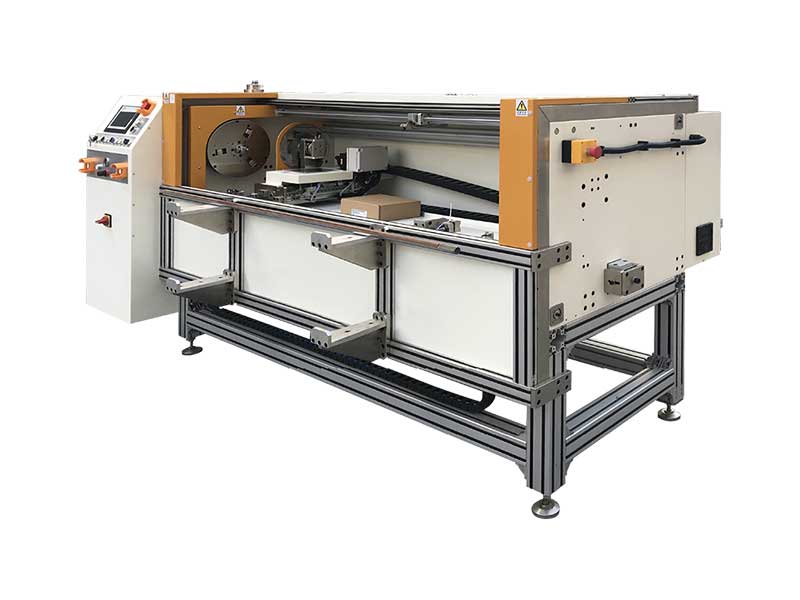 Automatic Foil Roll Cutting Machine
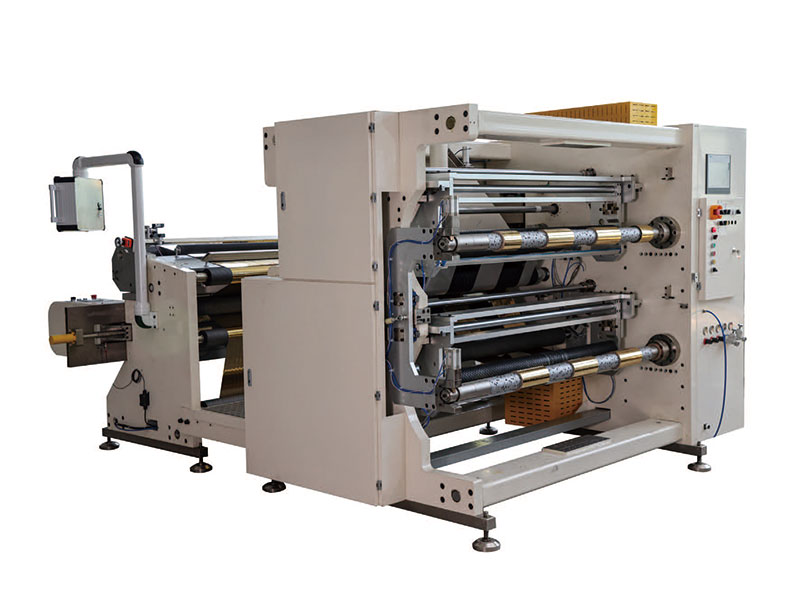 1400mm Hot Stamping Foil Slitting Machine
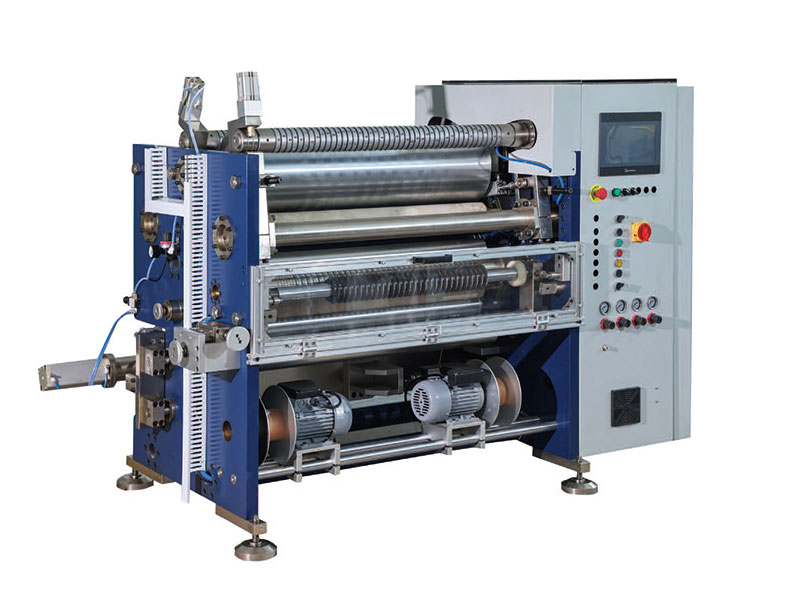 800mm Hot Stamping Foil Slitting Machine
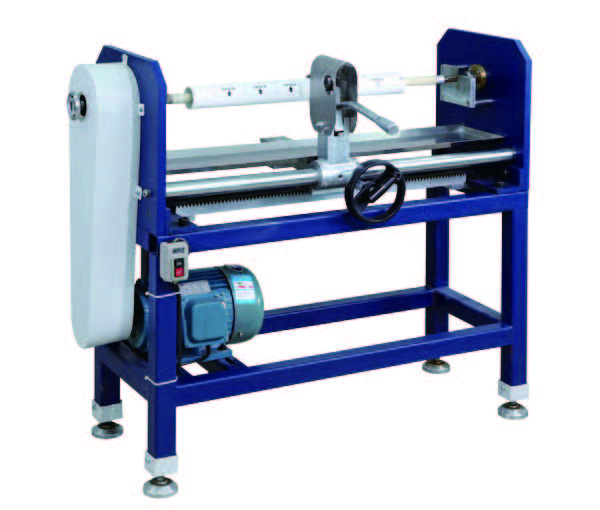 Manual Foil Roll Cutting Machine
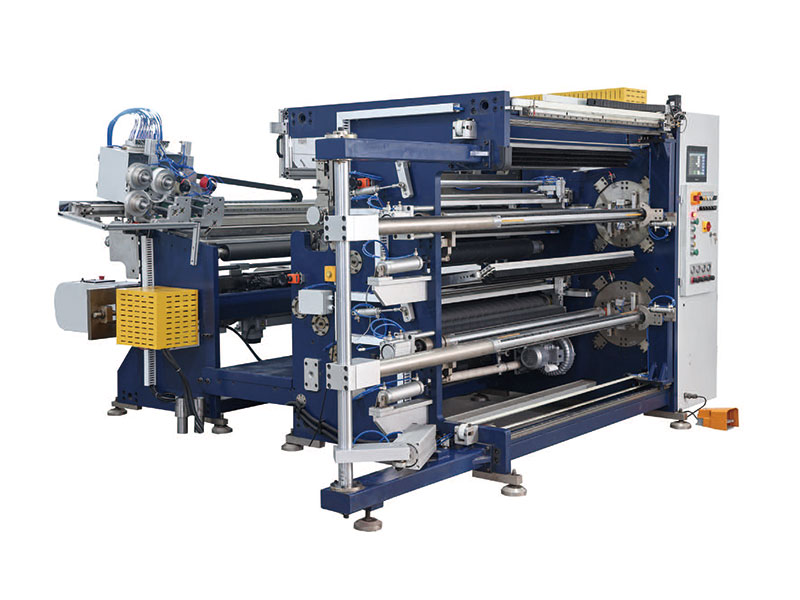 1350mm Hot Stamping Foil Slitting Machine
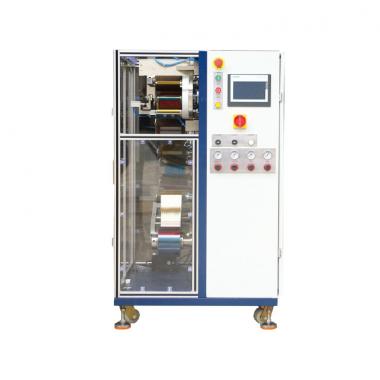 Photo & Card Print Ribbon Rewinding Machine
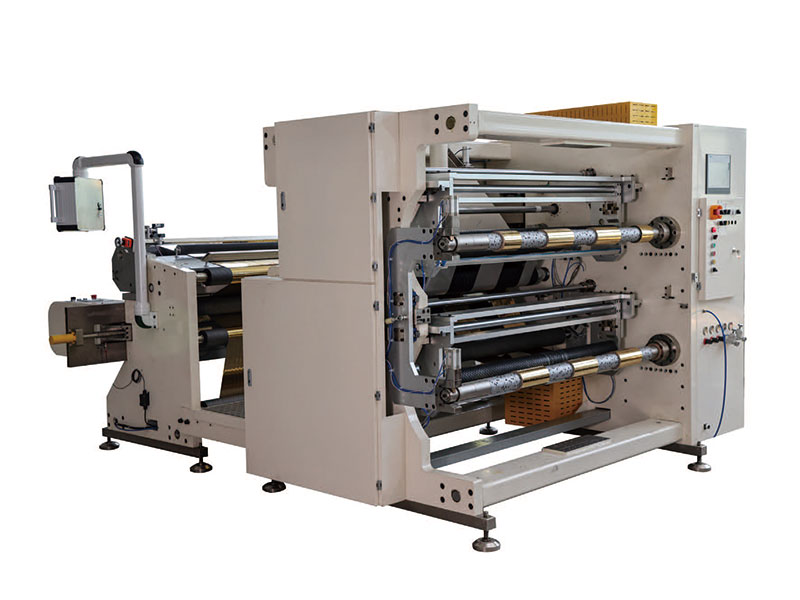 1400mm Copper Foil Slitting Machine
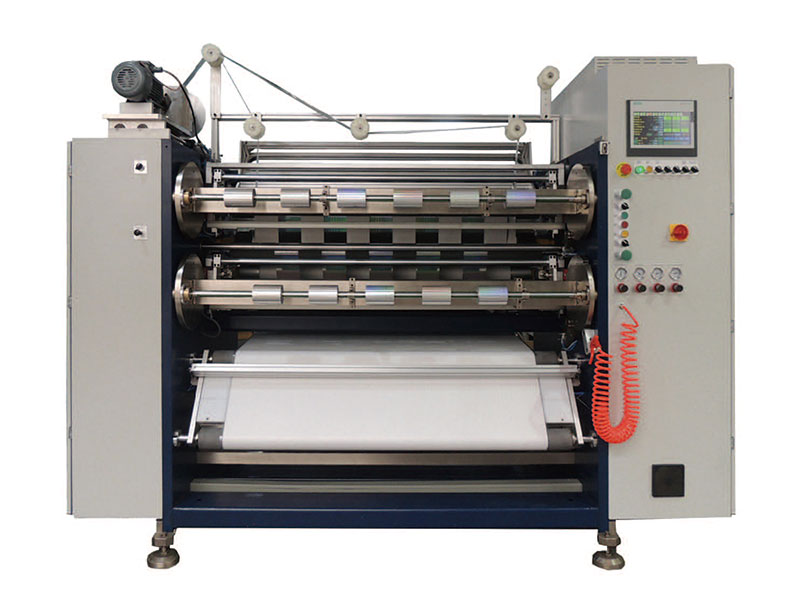 1350mm/1600 Foil Slitting Machine


 +86 135 9951 7291
 support@delishmachine.com