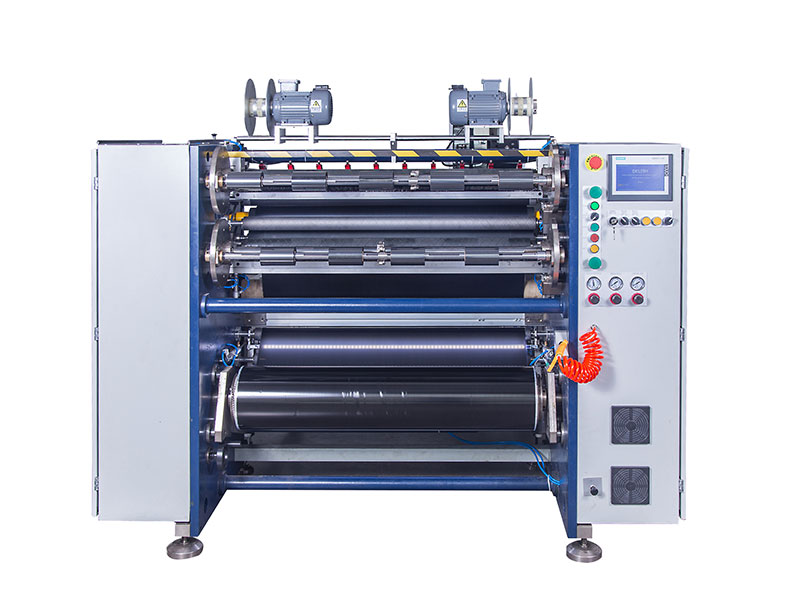
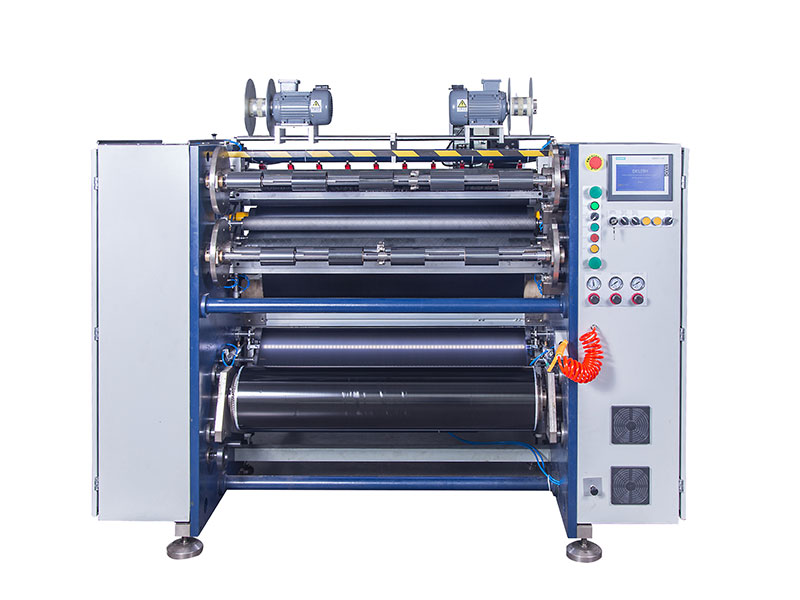
In modern industrial production, ribbon slitting machines are indispensable equipment for label printing, barcode production and other industries, and their slitting speed and stability directly affect product quality and production efficiency. With the continuous improvement of market requirements for label accuracy and production efficiency, how to optimize the performance of ribbon slitting machines has become the focus of industry attention.
1. Key factors affecting the speed and stability of ribbon slitting
To systematically optimize a ribbon slitting machine, it is important to first understand the key factors that constrain its performance:
1. Mechanical structure design: including the design of tension control system, tool system, transmission system and bearing system
2. Control system accuracy: speed control algorithm, tension control algorithm and synchronous control capability
3. Material property matching: special requirements for slitting parameters of different ribbon materials
4. Environmental Factors: The impact of temperature, humidity, and dust on the slitting process
5. Operation and maintenance: the professional level of operators and the standardization of equipment maintenance
2. Mechanical structure optimization strategy
1. Tension control system upgrade
Tension instability is the main cause of slitting dimensional errors and material breakage. Optimization includes:
• Multi-stage closed-loop tension control system is adopted, which is independently controlled in each link of unwinding, slitting and winding
• Introduce high-precision tension sensors to monitor and fine-tune tension values in real time
• Magnetic powder brake/clutch is used to achieve infinitely smooth tension adjustment
2. Tool system improvement
• Uses high-hardness alloy inserts or diamond-coated inserts for extended tool life
• Optimized tool holder design to ensure insert mounting accuracy and stability
• Introduced automatic sharpening system to maintain sharpness of the blade
3. Transmission system optimization
• Use servo motors instead of traditional stepper motors to improve speed control accuracy
• Uses timing belt or direct drive technology to reduce transmission clearance and accumulated errors
3. Intelligent improvement of control system
1. Adaptive control algorithm
An adaptive control system based on machine learning algorithms is introduced, which can automatically optimize the slitting parameters according to the ribbon material, thickness and environmental conditions. The system can learn from historical data to continuously optimize control strategies.
2. Predictive maintenance systems
Sensors monitor the status of critical components (e.g., bearings, tools) to predict potential failures and provide early warning, reducing unplanned downtime.
3. Human-computer interaction optimization
Develop intuitive user interfaces that integrate fault diagnosis systems and process parameter recommendation functions to reduce operational difficulty and improve production consistency.
4. Material and process adaptation
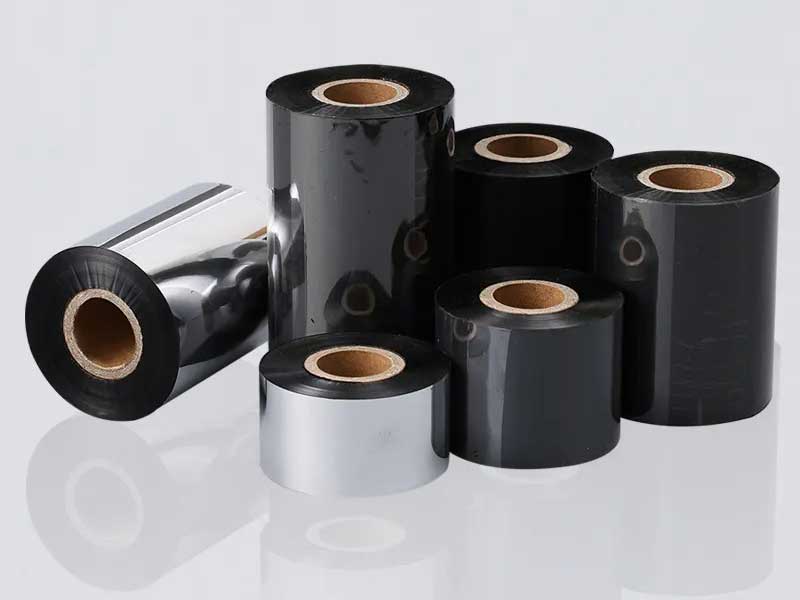
Different ribbon materials (e.g., wax-based, mixed-based, resin-based) have different requirements for slitting parameters. An optimized ribbon slitting machine should have:
1. Material parameter database: Stores the optimal slitting parameters for various types of ribbons
2. Quick Parameter Switching: Switch slitting parameters with one click through barcode scanning or recipe selection
3. Online Quality Inspection: Integrated visual inspection system to monitor slitting quality in real-time and automatically adjust
5. Environmental control and equipment maintenance
1. Environmental control
• Install temperature and humidity control devices to keep the working environment stable
• Configure a dust collection system to reduce the impact of dust on the quality of slitting
2. Optimization of maintenance system
• Develop a detailed preventive maintenance plan
• Use of high-quality lubricants and wear parts
• Establish a database of maintenance records and analyze equipment failure modes
6. Comprehensive optimization case analysis
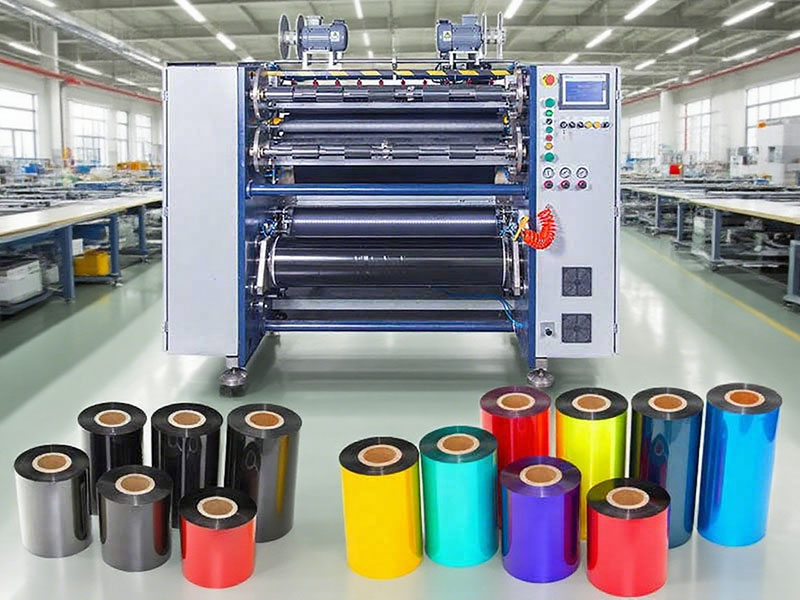
A label manufacturing enterprise has increased the efficiency of the ribbon slitting machine by 40% and reduced the product defect rate by 65% through the following comprehensive measures:
1. Phase 1 (2 months): Upgrade tension control system and tool system with 15% faster speed
2. Phase 2 (3 months): Introduction of servo control system and adaptive algorithm, speed increase by another 15%
3. Phase 3 (1 month): Optimize the operation process and maintenance system, and significantly improve stability
7. Future development trends
With the advancement of Industry 4.0, the optimization of ribbon slitting machines will show the following trends:
1. Full digitalization: Virtual commissioning and optimization based on digital twin technology
2. Highly integrated: Seamless connection with upstream production and downstream packaging links
3. Green and energy-saving: Reduce energy consumption and material waste, meeting sustainable development requirements
Conclusion
Optimizing the slitting speed and stability of ribbon slitting machines is a systematic project that requires comprehensive consideration from multiple dimensions such as mechanical design, control algorithms, material science, and maintenance management. Enterprises should formulate phased optimization plans according to their own production needs and equipment status to gradually improve equipment performance. In the context of intelligent manufacturing, the optimization of ribbon slitting machine is not only a matter of improving the efficiency of a single equipment, but also an important link in upgrading the overall manufacturing level of enterprises.
Through continuous technological innovation and system optimization, the ribbon slitting machine will achieve faster slitting speed while ensuring high stability, providing solid technical support for the high-quality development of the label industry.
 English
 Deutsch
 Français
 Español
 Português
 日本語
日本語 русский
 한국어
한국어 عربي
عربي ภาษาไทย
 Tiếng Việt
 Italiano
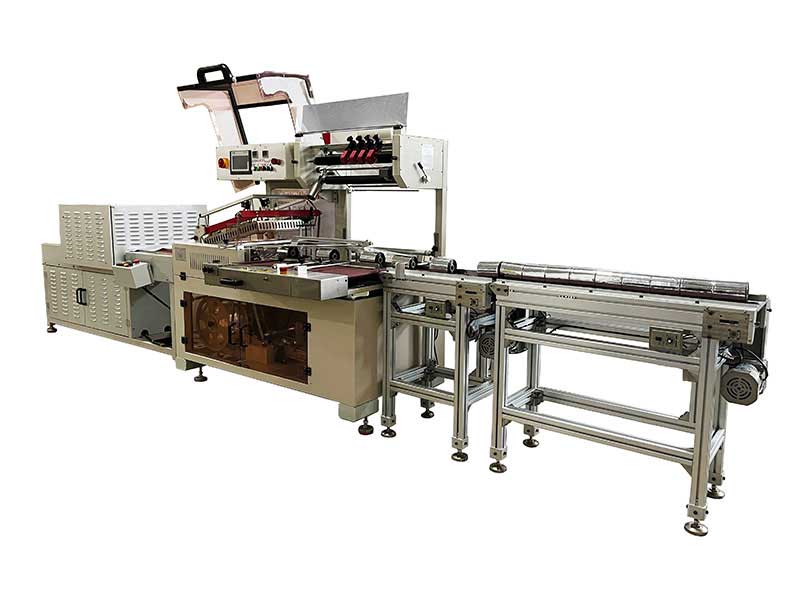 Thermal Transfer Ribbons Packaging Machine
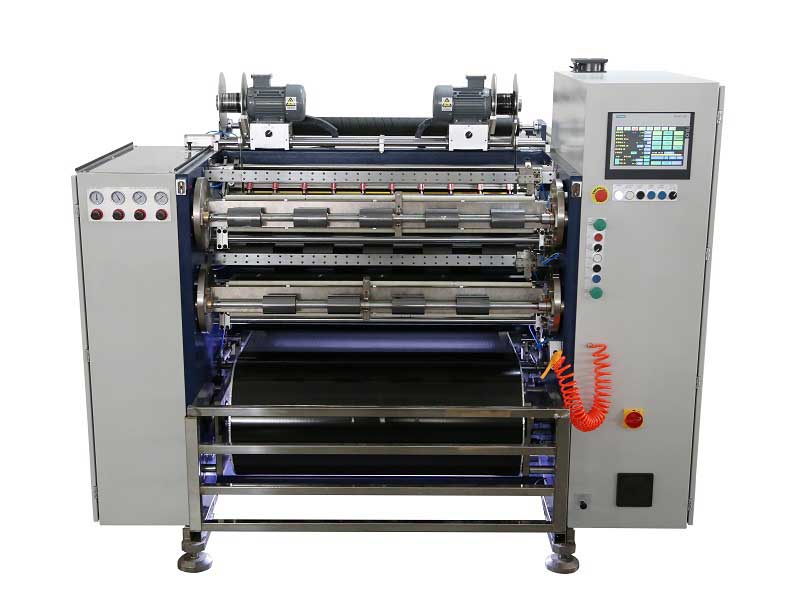 Automatic Thermal Transfer Ribbon Slitting Machine RSDS8 H PLUS
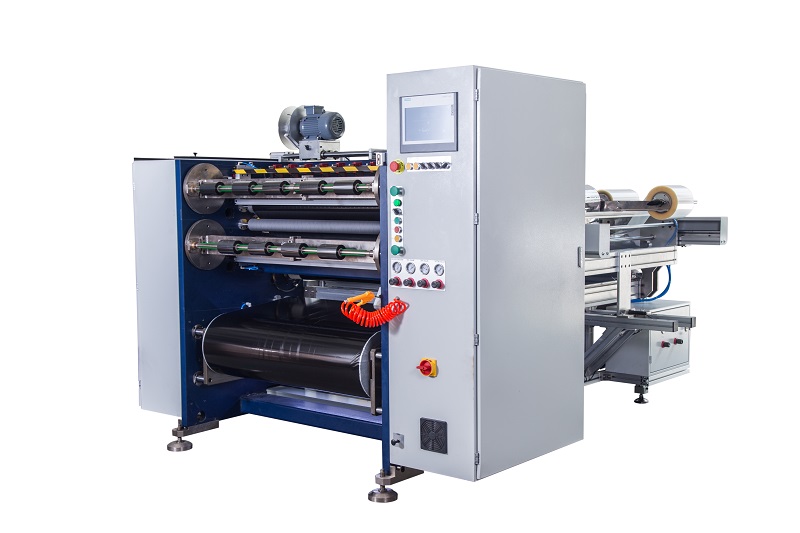 Semi Automatic Thermal Transfer Ribbon Slitting Machine RSDS5 PLUS
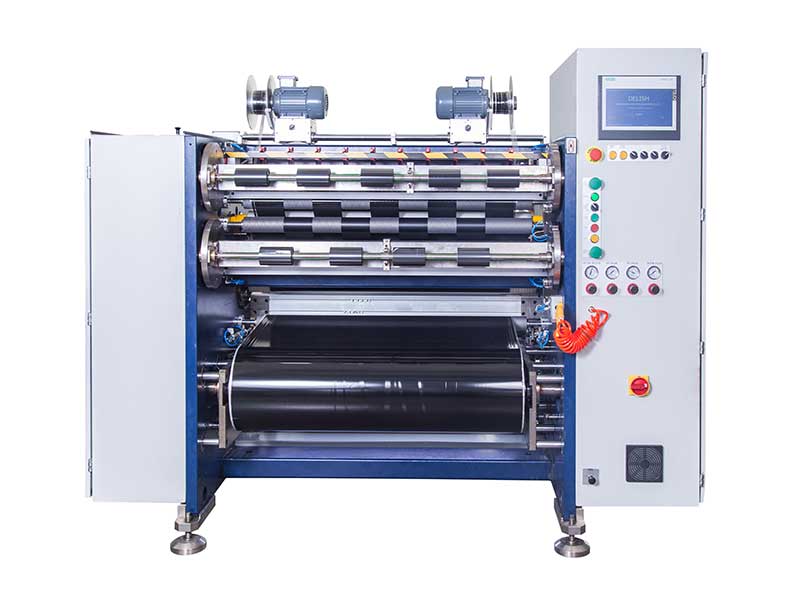 TTR Slitting Machine
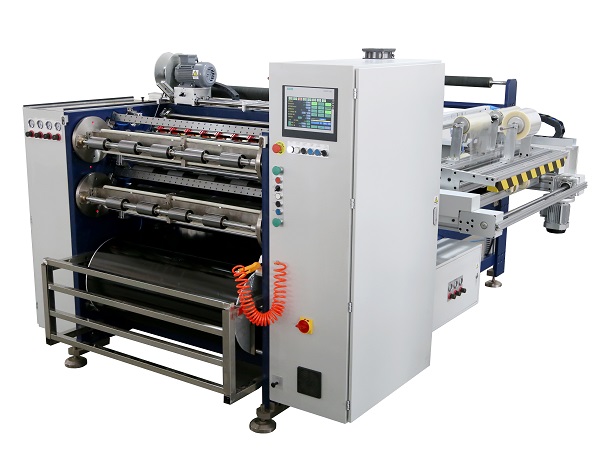 Automatic Thermal Transfer Ribbon Slitting Machine RSDS8 PLUS
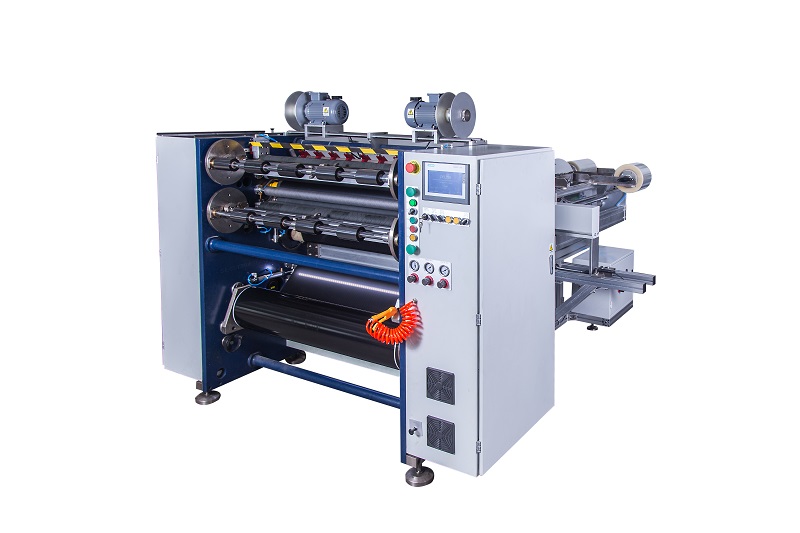 Semi Automatic Thermal Transfer Ribbon Slitting Machine RSDS1 PLUS
 Ribbon Slitting Machine


 +86 135 9951 7291
 support@delishmachine.com