Today, as the wave of personalized consumption sweeps the world, industrial manufacturing is undergoing a profound transformation. The traditional large-scale standardized production model is gradually transforming into a customized direction with small batches, multiple specifications, and fast delivery. This transformation is particularly evident in the packaging and printing industry, especially in the field of hot stamping foil applications - from luxury packaging to cultural and creative products, from holiday gifts to personalized customized goods, the market has a growing demand for the diversity of specifications of hot stamping foil. In the face of this trend, slitting machines, as key equipment for back-end processing, are undergoing technological innovation and functional upgrades to flexibly respond to the challenges of this "era of low-volume customization".
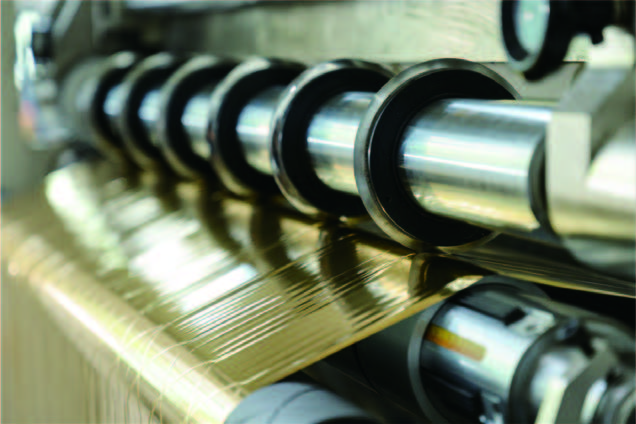
The impact of the trend of low-volume customization on hot stamping foil production
The hot stamping process, with its unique metallic luster and luxurious texture, has always been an important means to enhance the added value of products. However, the traditional hot stamping foil production model is usually based on large-scale orders, with relatively fixed specifications and long changeover cycles. With the fragmentation of market demand, customers often require small batches of hot stamping foil products in multiple widths, lengths, colors, and even textures. This poses unprecedented challenges to the slitting process:
• Surge in Specification Diversity: The number of order specifications has increased from a few to dozens or even hundreds
• Sharp batch reduction: The volume of a single order drops from tens of thousands of meters to hundreds or even tens of meters
• Shorter lead times: Customers are demanding shorter and shorter times from order placement to receipt
• Higher Quality Requirements: Small batches do not imply low quality, but rather place higher demands on precision and consistency
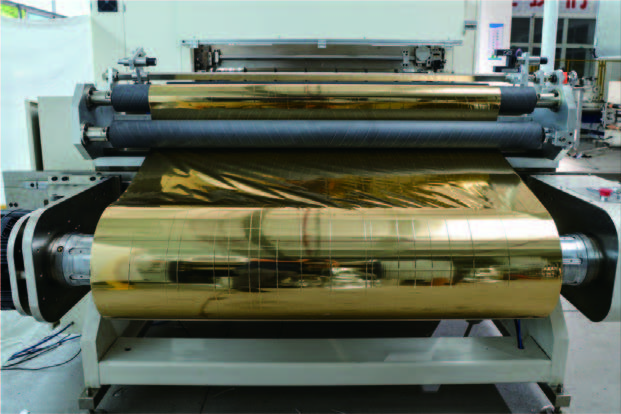
Technological innovation of intelligent slitting machine
To adapt to this change, modern slitting machines are transforming from "single-function equipment" to "flexible production units" with a number of technological innovations that enable flexible response:
1. Quick Changeover System (QCS)
The new generation of slitting machines is equipped with an advanced quick-change system that reduces tool adjustment time from hours to minutes with conventional equipment. Through the preset parameter memory function, the operator only needs to call up the corresponding product specifications, and the equipment can automatically complete the preparation work such as tool spacing adjustment and tension setting, which greatly improves the utilization rate of the equipment.
2. High-precision tension control
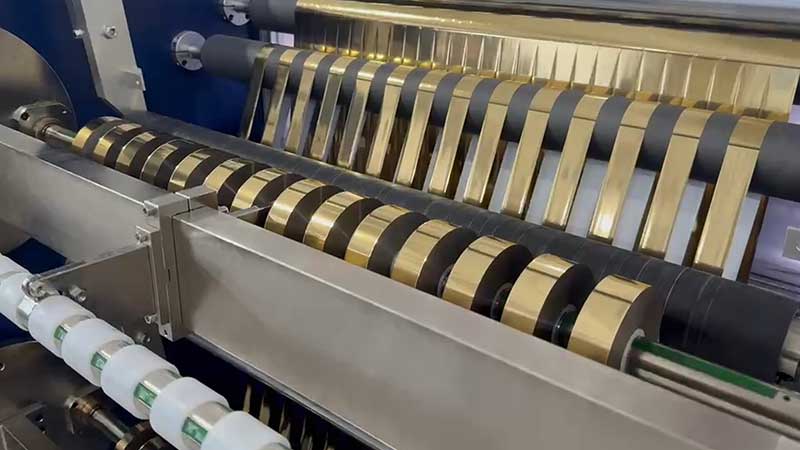
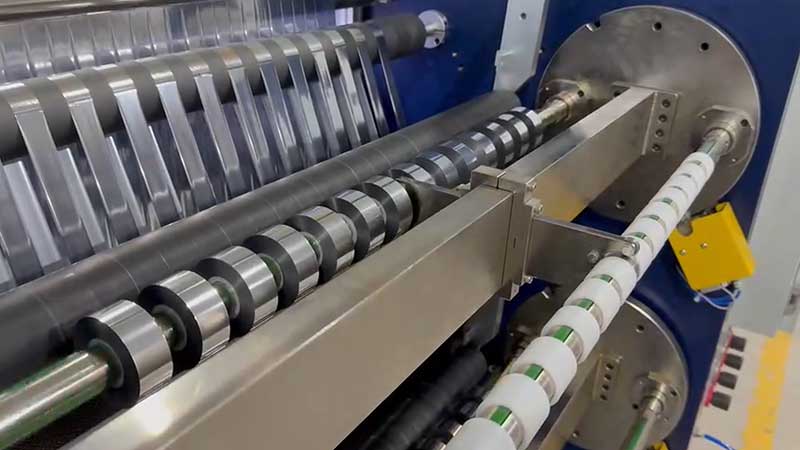
The hot stamping foil is made of special material, the base film is thin, the coating is sensitive, and the tension control requirements are extremely high. Modern slitting machines adopt multi-stage independent tension control technology, which can maintain stable tension in the whole process of unwinding, slitting and winding, even if the slitting is extremely narrow (minimum up to 2mm), it can ensure that the edges are flat and burr-free, and avoid damage to the hot stamping foil coating.
3. Intelligent production management system
By integrating MES (Manufacturing Execution System), the intelligent slitting machine can receive electronic orders from upstream and automatically plan the optimal slitting scheme to reduce material waste. The system can also automatically adjust the process parameters according to different types of hot stamping foil (e.g., laser foil, pigment foil, holographic foil) to ensure that each material can achieve the best slitting results.
4. Modular design concept
The slitting machine with modular design can be flexibly configured according to different needs, such as visual inspection system, automatic deviation correction device, static elimination unit, etc. This "plug and play" design concept allows the equipment to adapt to the changing needs of slitting ordinary hot stamping foil today and processing special textured foils tomorrow.
5. Data-driven optimized production
The application of IoT technology makes the slitting machine a data node in a smart factory. The equipment collects production data in real time, predicts the demand frequency of hot stamping foil of different specifications by analyzing historical orders, optimizes tool combinations and scheduling plans, and further reduces preparation time and material loss.
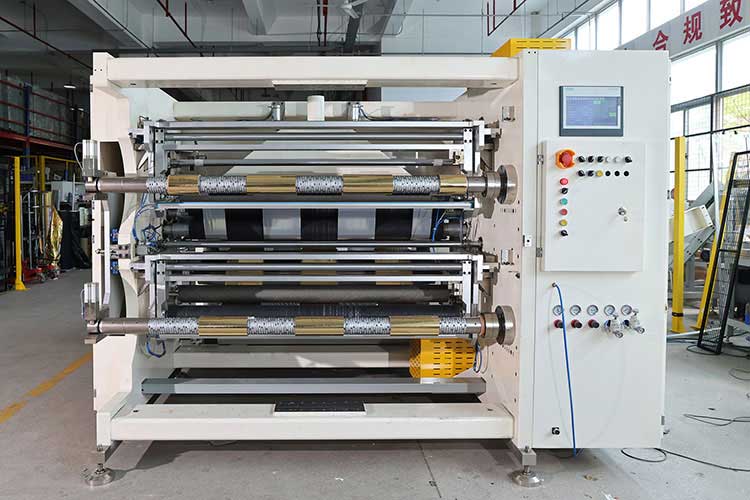
Flexibility in practical application scenarios
In specific production scenarios, these technological innovations bring about significant changes:
A high-end cosmetic packaging company needs to customize 12 different widths and colors of hot stamping foil for limited edition products, each of which only costs 300-500 meters. Under traditional production methods, such orders are almost unprofitable. The factory equipped with an intelligent slitting system can continuously cut out all specifications through program control in one unwinding, and the change interval is less than 5 minutes, and the material utilization rate is increased by more than 30%, so that small batches of orders can also be completed efficiently.
Another cultural and creative product company needs to process more than 50 different patterns of hot stamping foil small batch orders every month, through the use of intelligent slitting machine with automatic identification function, the equipment can read the material QR code, automatically call the corresponding slitting plan, and upload the production data to the customer platform in real time to achieve traceability of the whole process.
Future development direction
With the in-depth application of 5G, artificial intelligence and digital twin technology, the flexibility of slitting machines will be further enhanced:
• Predictive maintenance: Predict component wear in advance by analyzing equipment operating data to avoid unplanned downtime
• Virtual commissioning: The entire slitting process is simulated in a digital twin system and parameters are optimized before new orders arrive
• Collaborative production: The slitting machine intelligently collaborates with upstream and downstream equipment to achieve a seamless connection from order to finished product
• Extreme personalization: In the future, slitting machines may be directly connected to consumer customization platforms to achieve "one-piece order, instant production"
Epilogue
The era of low-volume customization is not a subversion of traditional manufacturing, but a sublimation of its flexibility and responsiveness. In the subdivision of hot stamping foil production, the intelligent transformation of slitting machines is resolving the contradiction between "batch" and "customization", so that diversified and small batch needs no longer mean high cost and low efficiency. Through technological innovation, these precision devices are becoming a key hub connecting standardized materials with personalized products, reflecting the wisdom and resilience of the manufacturing industry to adapt to the new era between the square inches of metallic luster.
As the production line engineer said: "In the past, we could produce what customers bought, but now we can cut what customers need." "Behind this transformation is a fundamental change in manufacturing thinking empowered by technology - from economies of scale to economies of scope, from fixed production to flexible manufacturing, while meeting individual needs, continuing to explore the best balance between efficiency and cost.
 English
 Deutsch
 Français
 Español
 Português
 日本語
日本語 русский
 한국어
한국어 عربي
عربي ภาษาไทย
 Tiếng Việt
 Italiano
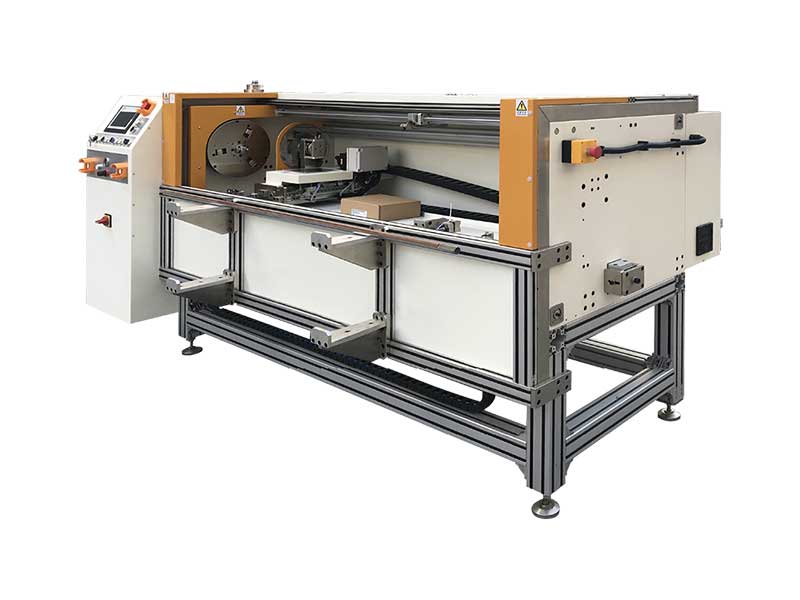 Automatic Foil Roll Cutting Machine
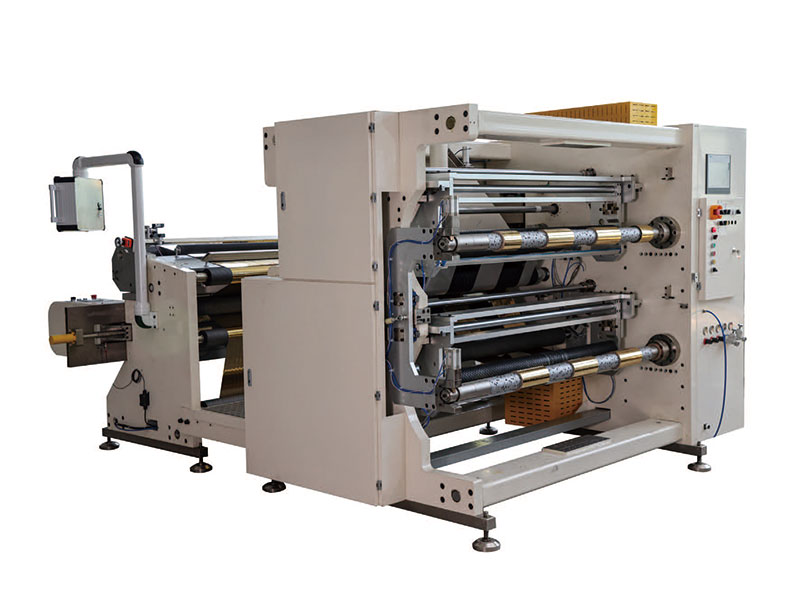 1400mm Hot Stamping Foil Slitting Machine
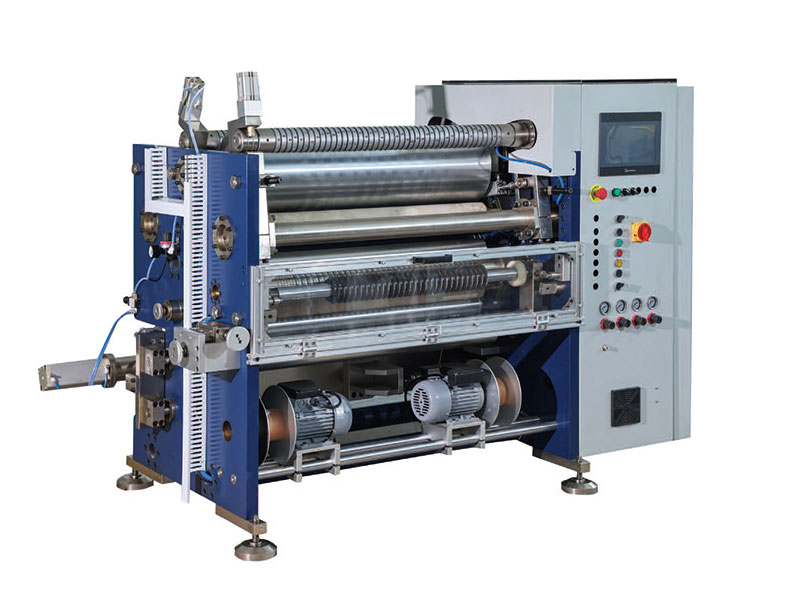 800mm Hot Stamping Foil Slitting Machine
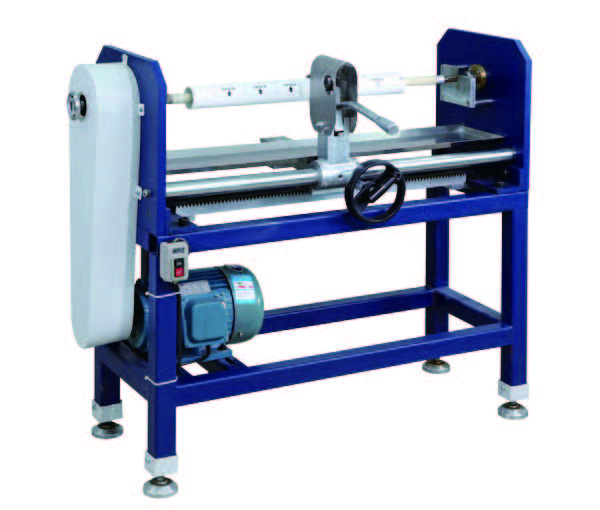 Manual Foil Roll Cutting Machine
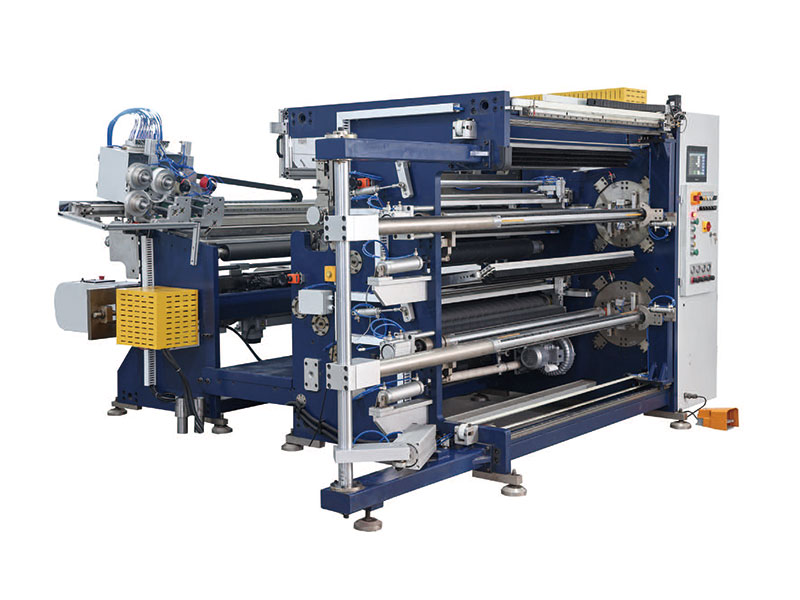 1350mm Hot Stamping Foil Slitting Machine
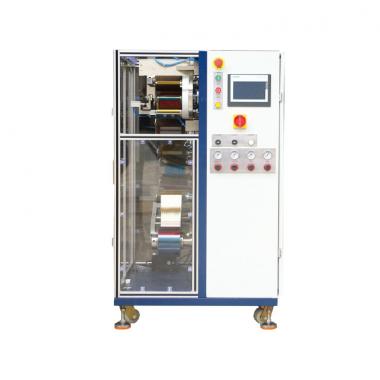 Photo & Card Print Ribbon Rewinding Machine
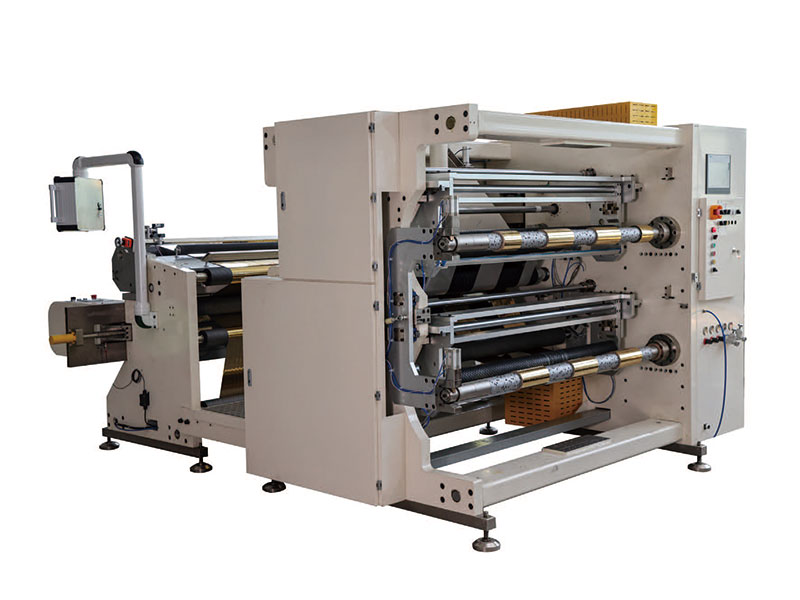 1400mm Copper Foil Slitting Machine
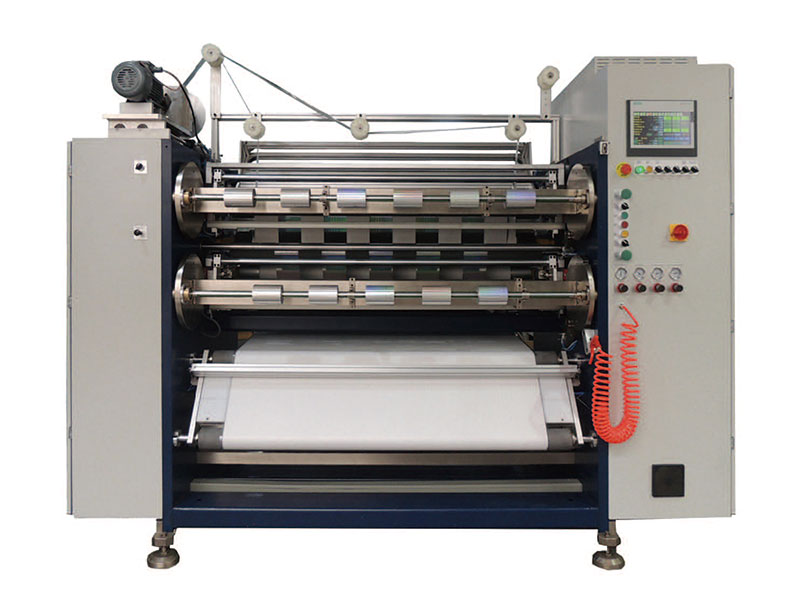 1350mm/1600 Foil Slitting Machine


 +86 135 9951 7291
 support@delishmachine.com