In the precision chain of modern printing production, ribbon slitting machines are often the least noticeable link, but they carry the hidden responsibility of determining printing quality. This silently operating equipment is like a miniature blade for engraving details, and every cut it is directly related to the fate of the final print. On the road to perfect printing, the reliability of ribbon slitting machines is not only a technical parameter, but also a cornerstone of ensuring printing quality.
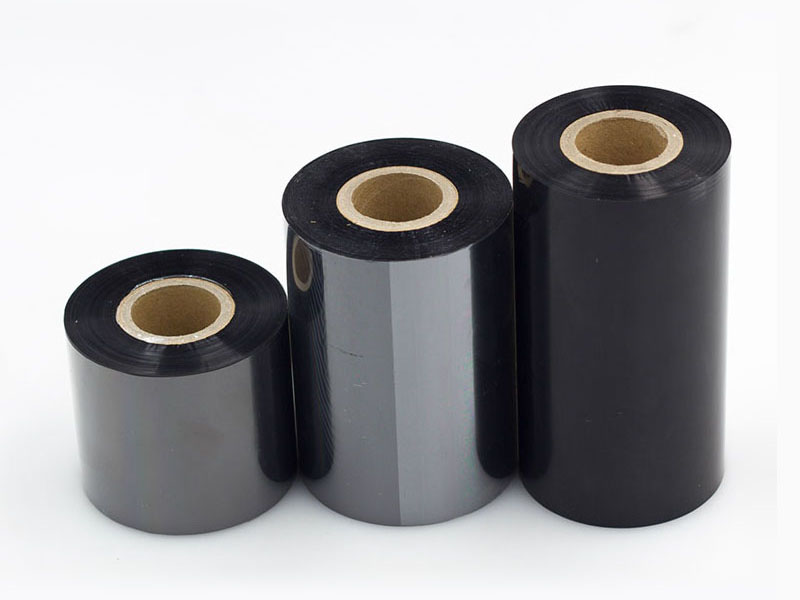
The basis of uniformity: the slitting accuracy determines the consistency of the ink layer
The primary task of ribbon slitting machines is to accurately cut wide ribbon materials into narrow bands suitable for various printing equipment. The reliability of this process directly determines the consistency of the carbon band width, which in turn determines the uniformity of the ink layer distribution during the thermal transfer process. When the performance of the slitting machine is unstable, the edges of the resulting ribbon may have burrs, wavy shapes, or irregular width changes, which can translate into uneven ink thickness and inconsistent color saturation during the printing process. Especially in the field of barcode printing, even a small width deviation can lead to an imbalance in the bar space ratio, seriously affecting the scanning success rate. According to industry research, more than 30% of barcode reading failures can be traced back to the substandard quality of ribbon slitting.
The Edge Mystery: How Cut Quality Affects the Printing Process
The cut quality of ribbon edges is an often underestimated but crucial factor. Reliable slitting machines can produce smooth, vertical edges, while inconsistent equipment can lead to microscopic edge tearing, toner shedding, or edge curling. These defects can trigger a chain reaction during printing: edge curling can cause the ribbon to move poorly under the printhead, creating wrinkles; edge burrs can scratch expensive printheads; and toner shedding can contaminate the printing mechanism, creating unwanted blemishes on the print. In high-speed printing environments, the cumulative effects of these issues can be exponentially magnified, leading to higher scrap rates and equipment downtime.
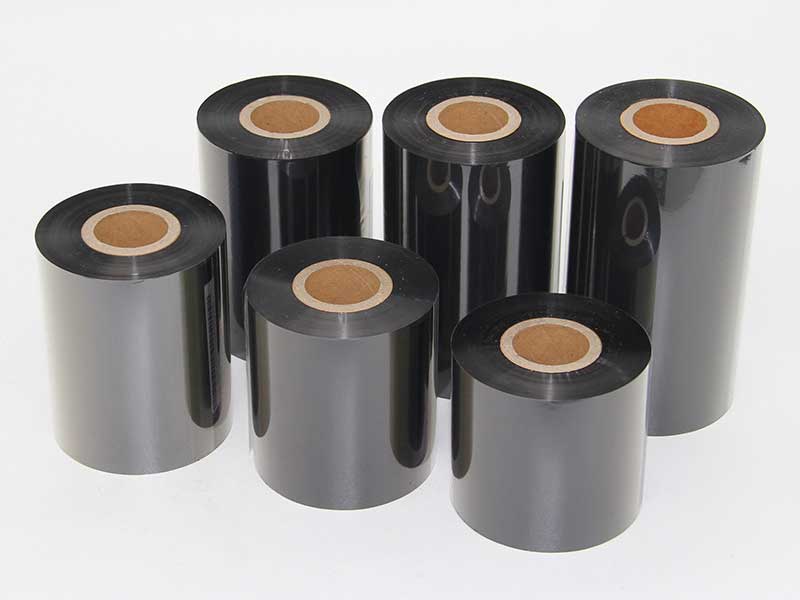
Balance of tension: slitting uniformity ensures smooth operation
The tension balance of ribbons during printing directly affects the accuracy of the print position and image clarity. Reliable slitting machines ensure that each ribbon is highly consistent in width, thickness, and winding tension, thus maintaining stable tension characteristics during use. Conversely, ribbons with uneven slitting can produce local tension mutations during operation, resulting in print position shifts, image stretching, or compression. In multi-layer label printing or high-precision color printing, this positional deviation is often catastrophic and can scrap entire batches of product.
The art of adaptation: the tacit dialogue between slitting accuracy and print head
Modern thermal transfer printheads have extremely precise arrangements of heating elements, and their effective print width must be matched to the width of the ribbon to the millimeter. Reliable slitting machines produce high-precision ribbons with width tolerances within ±0.1 mm according to the requirements of specific printheads. This precise matching ensures that heat is evenly transferred across the entire width of the ribbon, avoiding inadequate transfer due to insufficient heat in the edge areas or increased printhead wear due to excessive width. In high-end printing applications, this precision of fit is often the key to distinguishing ordinary products from high-quality products.
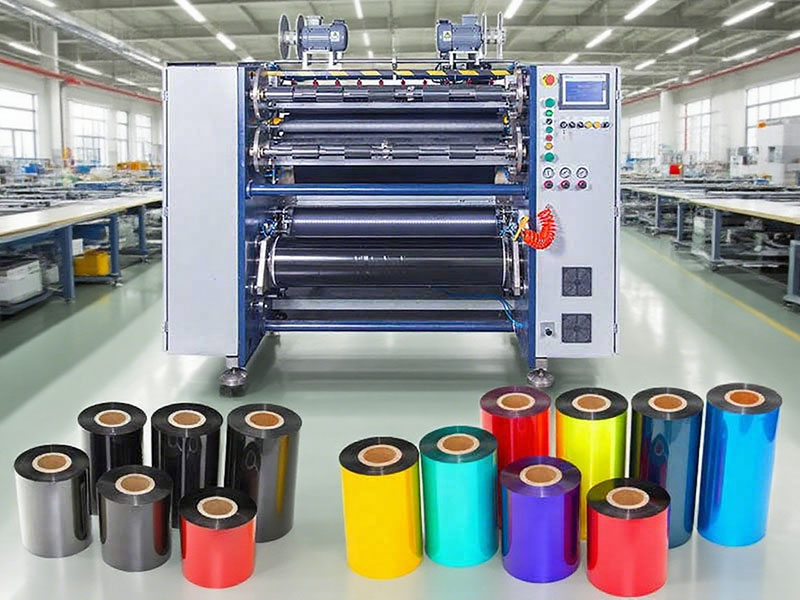
The enemy of waste: How reliable slitting reduces hidden costs
Quality issues caused by unreliable slitting machines are often not immediately apparent, but are gradually exposed during the printing process, resulting in frequent debugging, testing, and rework by printing companies. This invisible waste includes not only material loss, but also equipment downtime, manual commissioning costs, and loss of goodwill due to delayed delivery. It is estimated that the combined cost caused by ribbon slitting problems may account for more than 40% of quality-related losses in printing enterprises. Investing in high-reliability slitting equipment often pays for itself in the short term by reducing scrap rates and improving production efficiency from a lifecycle cost perspective.
Wings of Innovation: How Slitting Technology Pushes Printing Boundaries
As the printing industry moves towards higher resolution, faster speeds, and more specialized applications, the reliability of ribbon slitting machines presents unprecedented challenges. Special application scenarios such as nanoscale printing, sterilization resistance to medical labels, and long-term outdoor weather resistance require ribbons to not only be dimensionally accurate but also maintain the integrity of material properties during the slitting process. Advanced slitting machines use technologies such as laser cutting, intelligent tension control, and real-time quality monitoring to micro-encapsulate edges while cutting to prevent oxidation and contamination, providing possibilities for special printing applications.
In the dominos of print quality, the ribbon slitting machine is the first card, and its stability determines the success of all subsequent links. This device, hidden deep within the production line, guards every detail of the print with its steel body, transforming the aesthetics of precision engineering into visual perfection. When we admire a print full of color and clear lines, think about the invisible blade of precision – how it carves the clear outline of the world with micron-level loyalty.
In the pursuit of excellent print quality, state-of-the-art printers also require the most precise ribbon matching. And what ensures this perfect match is the often overlooked but absolutely indispensable ribbon slitter – not just a tool for production, but a gatekeeper of quality, signing an unspoken guarantee of quality with its reliability.
 English
 Deutsch
 Français
 Español
 Português
 日本語
日本語 русский
 한국어
한국어 عربي
عربي ภาษาไทย
 Tiếng Việt
 Italiano
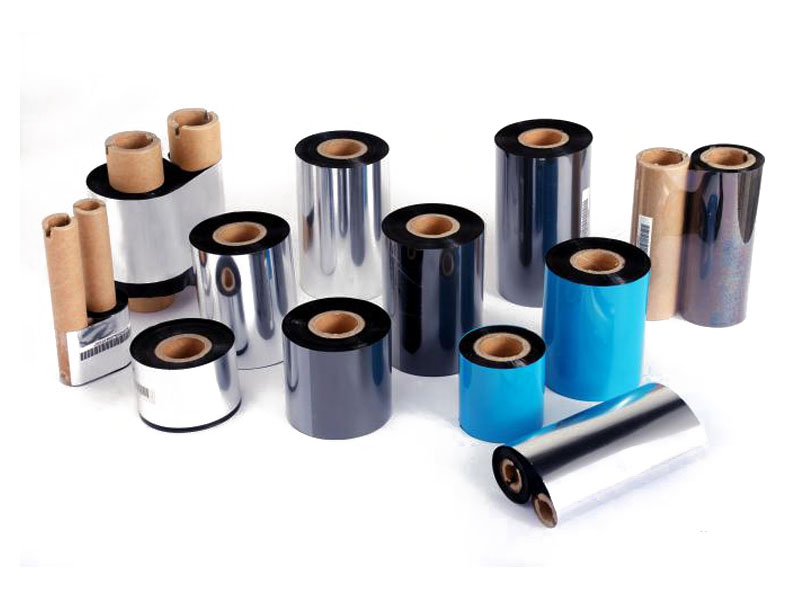
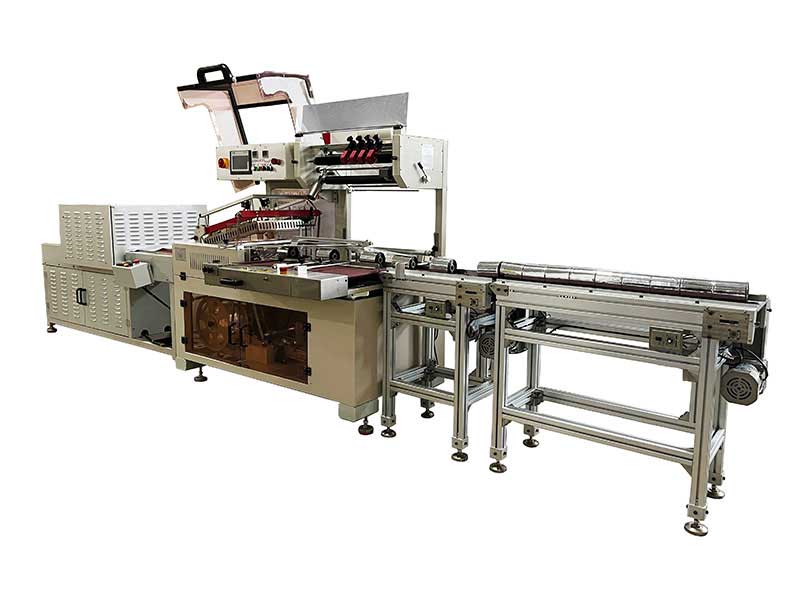 Thermal Transfer Ribbons Packaging Machine
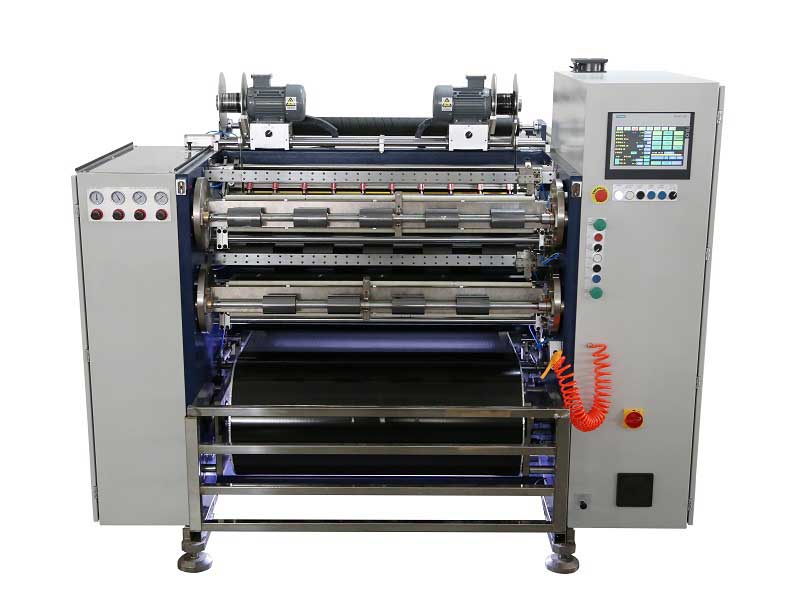 Automatic Thermal Transfer Ribbon Slitting Machine RSDS8 H PLUS
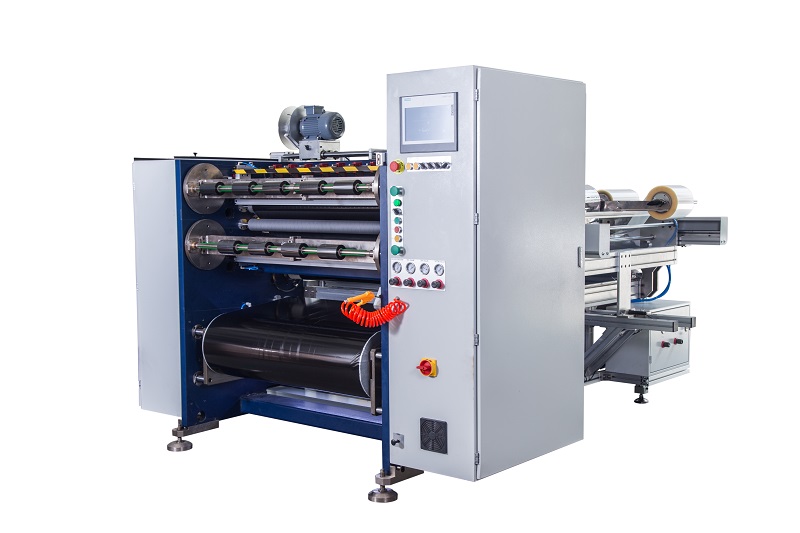 Semi Automatic Thermal Transfer Ribbon Slitting Machine RSDS5 PLUS
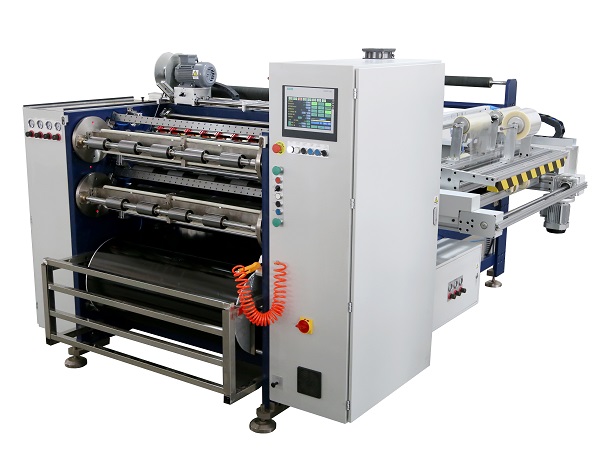 Automatic Thermal Transfer Ribbon Slitting Machine RSDS8 PLUS
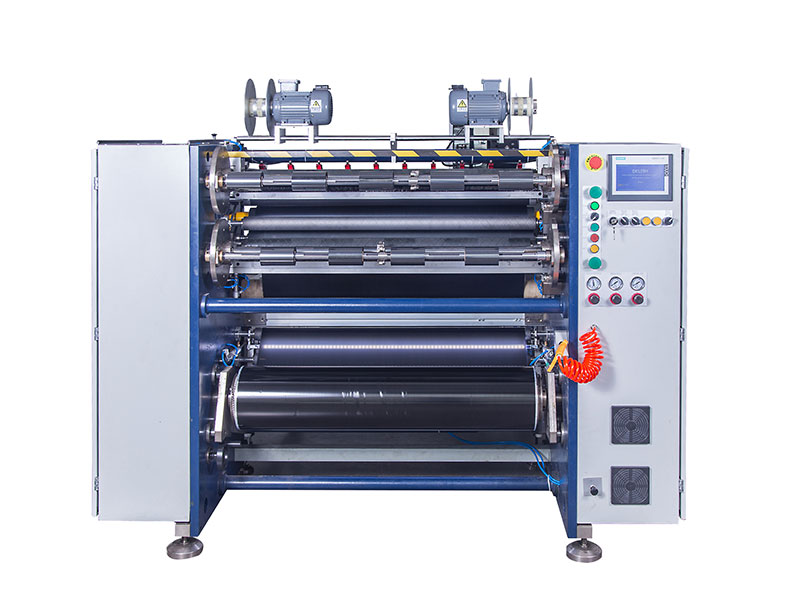 Barcode Ribbon Slitting Machine
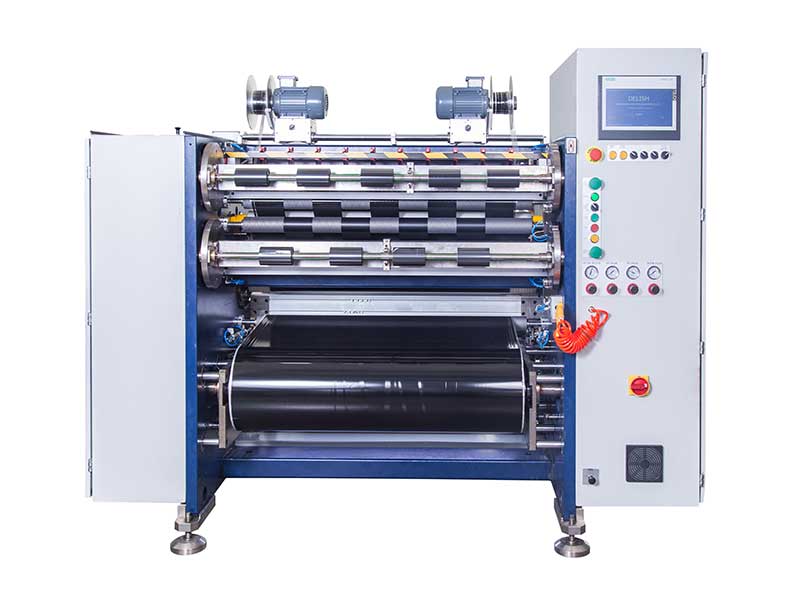 TTR Slitting Machine
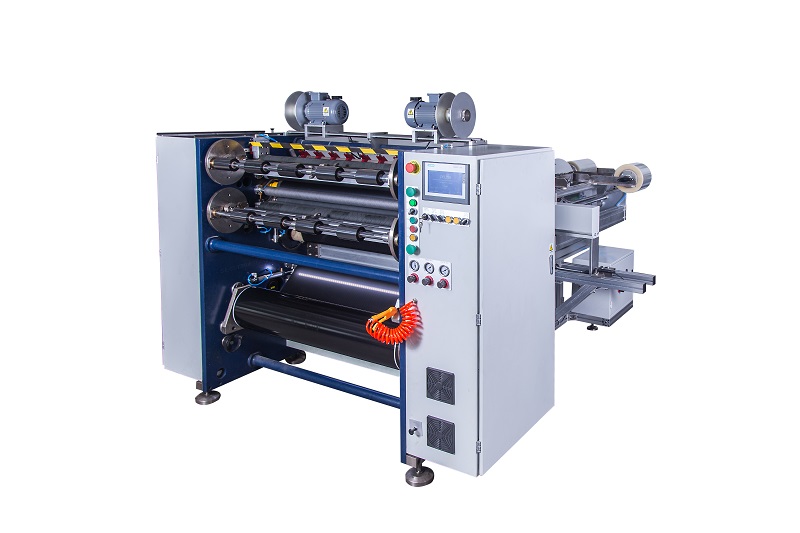 Semi Automatic Thermal Transfer Ribbon Slitting Machine RSDS1 PLUS
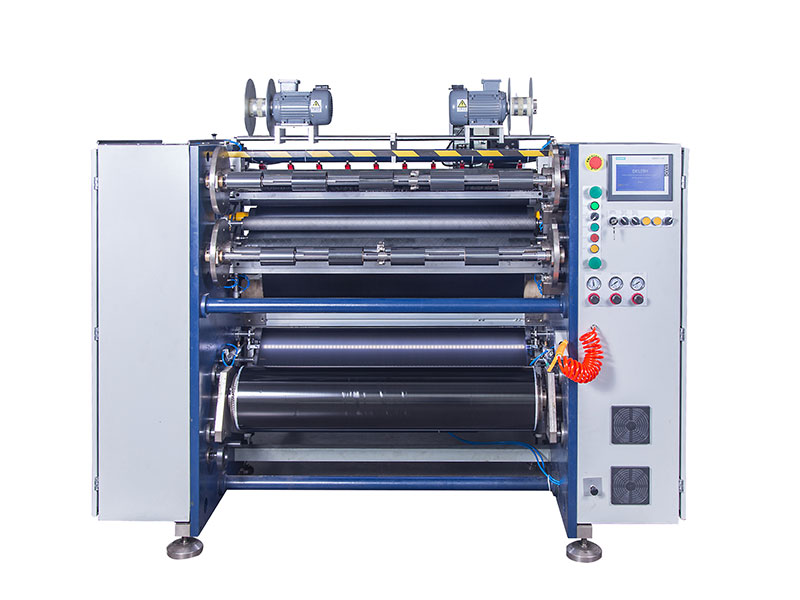 Ribbon Slitting Machine


 +86 135 9951 7291
 support@delishmachine.com