In modern manufacturing, film materials are ubiquitous – from food packaging and electronics to solar cells and medical devices, high-quality films have become a key material for numerous industries. However, the final properties of film materials are not only determined by their composition and production process, but also by the subsequent process of slitting. Traditional "one-size-fits-all" slitting methods are often difficult to meet the needs of diversification and precision, and tailored film slitting solutions are becoming the key to unlocking the potential of materials and enhancing product value.
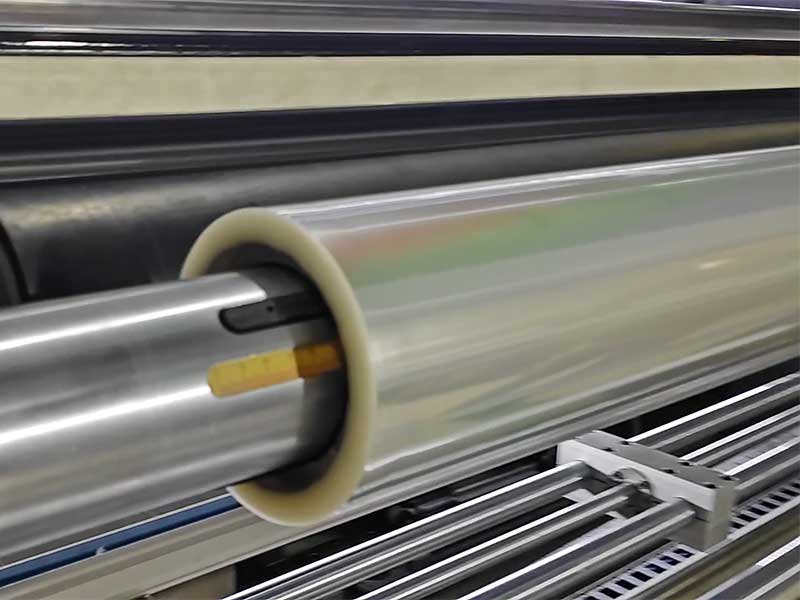
Why do we need to be "tailored"?
Each film has its own unique "character": physical parameters such as thickness, tension sensitivity, surface properties, thermal shrinkage, etc. vary widely. For example, transparent conductive films for flexible displays require extremely high slitting accuracy and cleanliness, and any tiny burrs or static electricity can affect the yield of the final product. The PO film used in agricultural greenhouses needs to consider its tensile and weather resistance, and it is necessary to avoid tearing in subsequent use due to stress concentration during the slitting process.
General-purpose slitting machines often struggle to balance these special needs, leading to:
• Slitting edges are frizzy and filamentous
• Uneven internal tension of the coil
• Static accumulation affects subsequent processing
• Material properties are compromised during slitting
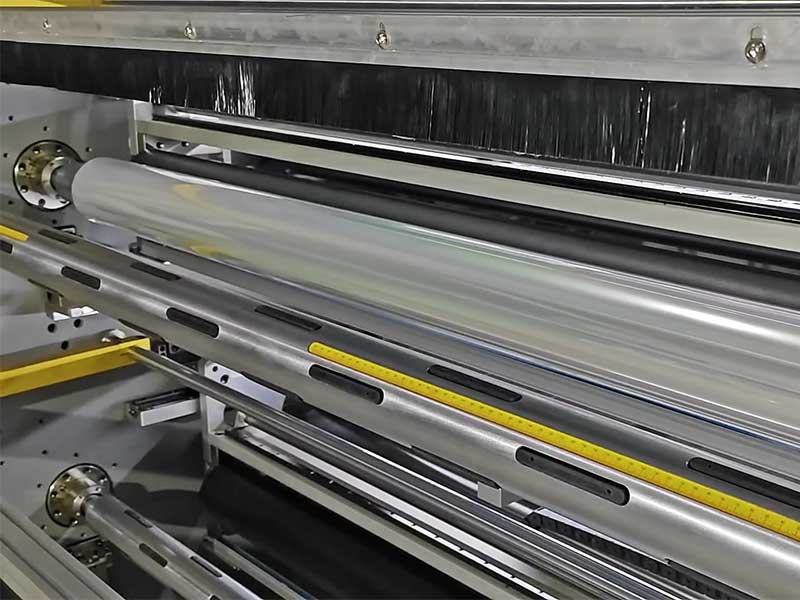
"Tailor-made" technology core
The "tailor-made" of modern film slitting machines is not simply about adjusting parameters, but about the all-round adaptation from mechanical design to intelligent control:
1. Precise tension control system
According to the tensile characteristics of different films, a multi-stage closed-loop tension control scheme is customized. For ultra-thin and easy-to-stretch lithium battery separators, micro-tension or even zero-contact slitting technology is adopted; For elastic films, an adaptive tension compensation system is installed to ensure consistent tightness of the inner and outer layers of the coil.
2. Special tools and cutting solutions
Depending on the physical properties of different materials, special tools are equipped:
• Diamond-coated tools: Used to cut composite materials containing hard particles such as silicon and ceramics
• Ultrasonic cutting system: Used for heat-sensitive materials such as non-woven fabrics and meltblown fabrics to achieve low-temperature clean cutting
• Laser slitting system: Used for extremely thin flexible circuit substrates to achieve contact-free precision slitting
3. Environmental control module
Integrated Dedicated Environmental Controls for Special Materials:
• Cleanroom-grade slitting unit: used for optical films and semiconductor packaging films
• Humidity control chamber: prevents moisture content changes in hygroscopic materials during slitting
• Static Elimination System: Multi-layer custom ion rod layout ensures zero static electricity on the material surface
4. Intelligent perception and adaptive system
The slitting quality is monitored in real time through machine vision, and the AI algorithm automatically optimizes the slitting parameters according to the material characteristics. For example, for films of recycled materials of uneven thickness, the system can adjust the pressure in real time to ensure consistent slitting.
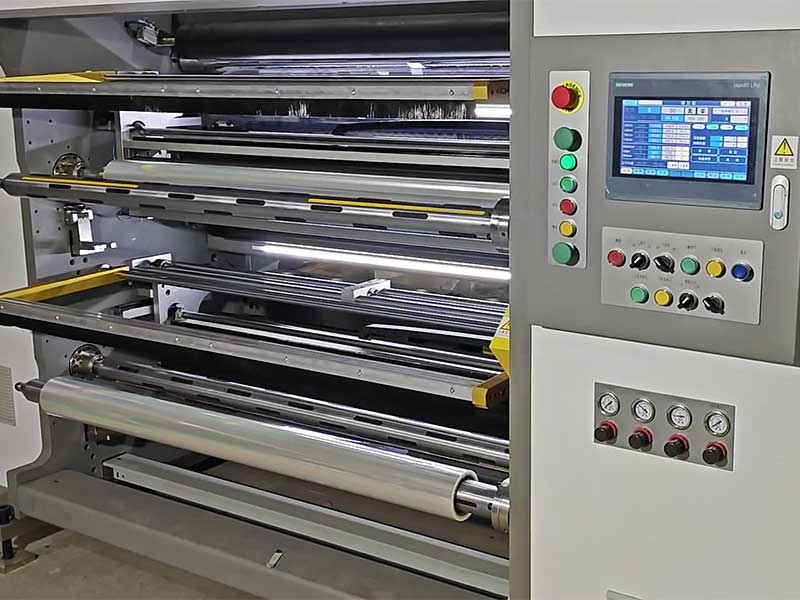
Industry value of customized slitting
For film producers, tailor-made slitting solutions mean:
• 5%-15% increase in product yield
• High-end application market access qualifications
• Material properties are protected or even enhanced during slitting
• Achieve differentiated competition and get rid of homogeneous price wars
For film users, the benefits of custom slitting include:
• Reduce adjustment time and scrap rates in downstream processing
• Obtain a coil specification that better suits your production process
• Improve the consistency and reliability of the final product
Future trends: from "customized slitting" to "intelligent material optimization platform"
With the further development of Industry 4.0, the customization of film slitting is evolving in a smarter direction. The slitting system of the future will not only be a simple processing equipment, but also a "material optimization platform":
• Digital Twin Technology: Simulate the impact of different slitting schemes on material properties in a virtual space to optimize the process in advance
• Blockchain Traceability: Records the complete parameters of each roll of material from production to slitting, providing trusted data for quality traceability
• Cross-industry chain collaboration: The slitting machine automatically adjusts according to the production data of downstream customers to achieve the overall optimization of the supply chain
epilogue
In today's increasingly sophisticated and functional thin film materials, "one-size-fits-all" is a thing of the past. Tailored slitting solutions are not just a technology, but a deep understanding and respect for material properties. Each roll of film deserves the best slitting method for it - the epitome of modern manufacturing from "standardization" to "refinement".
When your film material encounters a slitting machine that truly understands it, the material's potential will be fully unleashed, and the value of the final product will also receive a qualitative leap. In this era of customization, choosing a "tailor-made" slitting solution for your film is not only a technological upgrade but also a strategic foresight.
 English
 Deutsch
 Français
 Español
 Português
 日本語
日本語 русский
 한국어
한국어 عربي
عربي ภาษาไทย
 Tiếng Việt
 Italiano
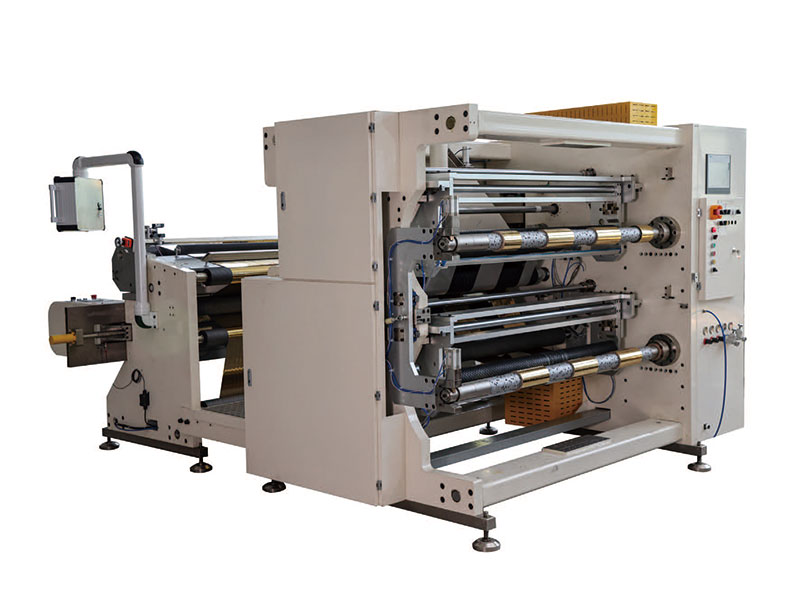 1400mm Hot Stamping Foil Slitting Machine
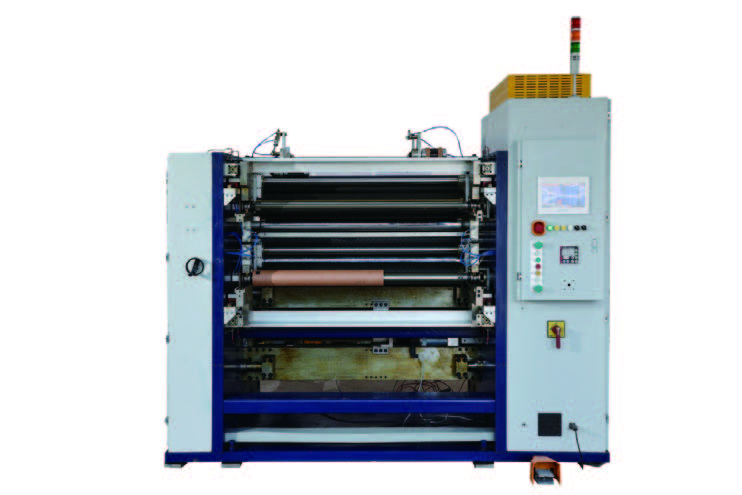 New Energy Ultra-thin Film Slitting Machine For Capacitive Film
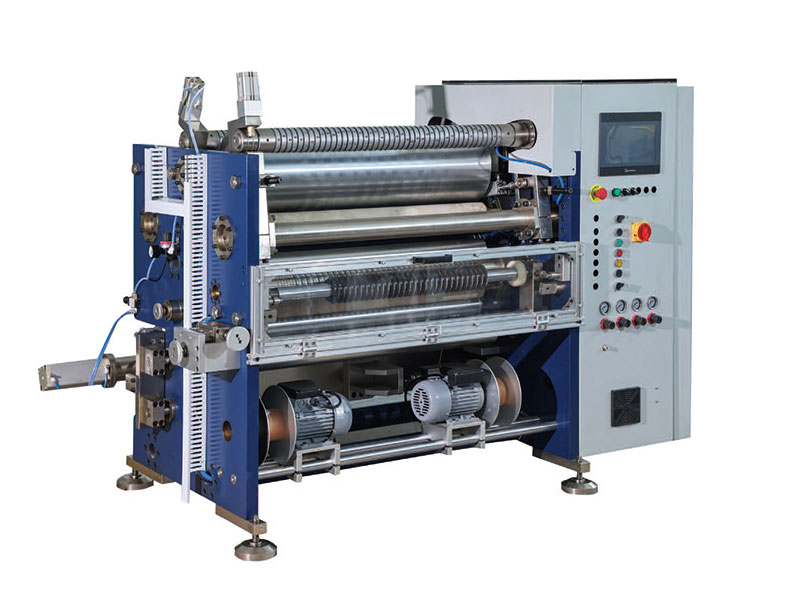 800mm Hot Stamping Foil Slitting Machine
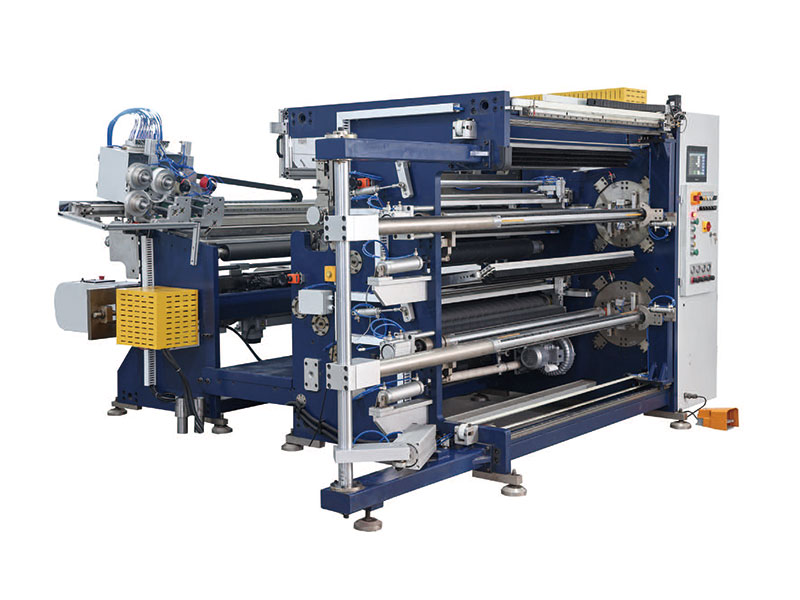 1350mm Hot Stamping Foil Slitting Machine
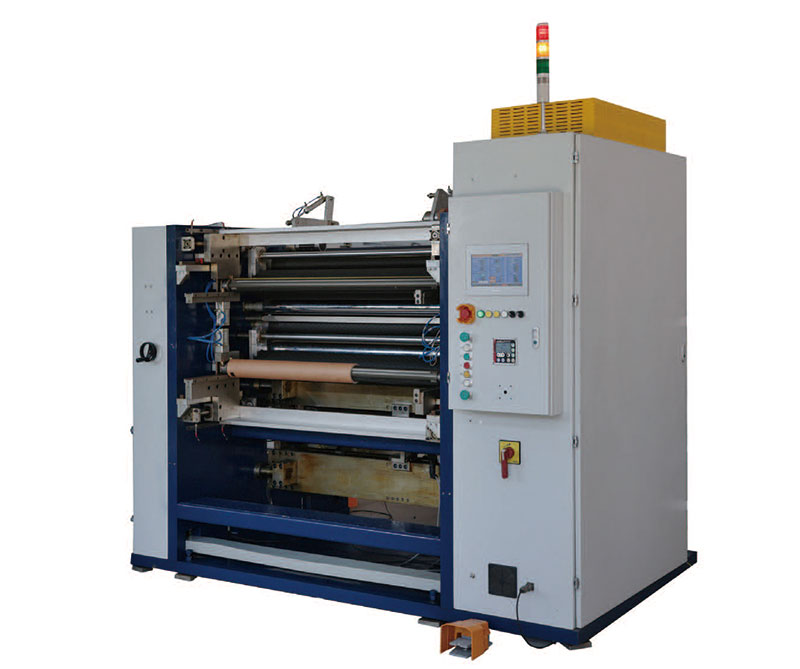 New Energy Ultra-thin Film Slitting Machine For MOPP
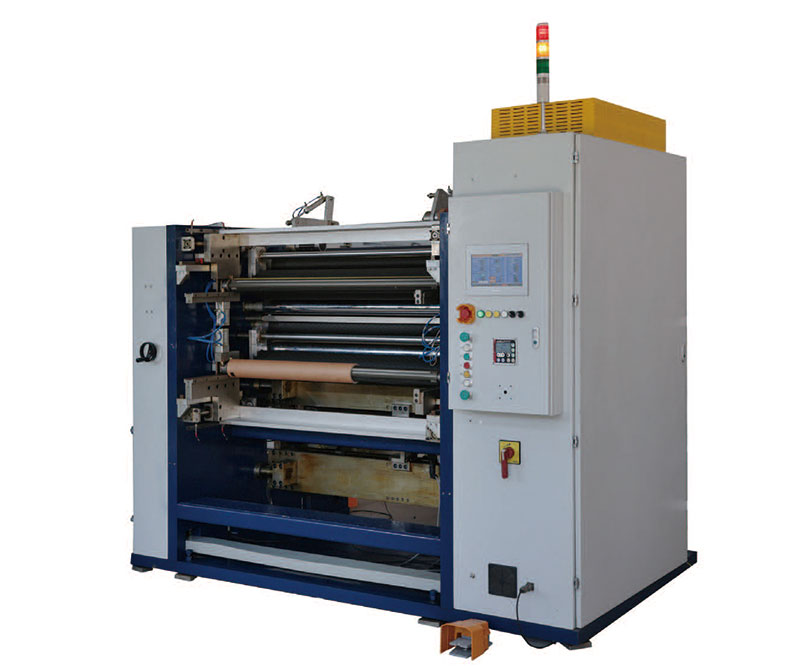 New Energy Ultra-thin Film Slitting Machine For MPET
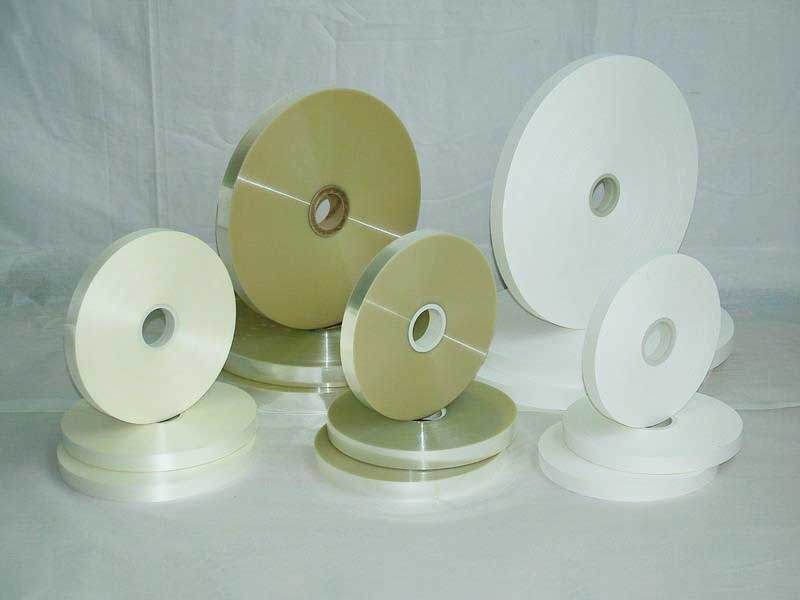 Film Slitting Machine
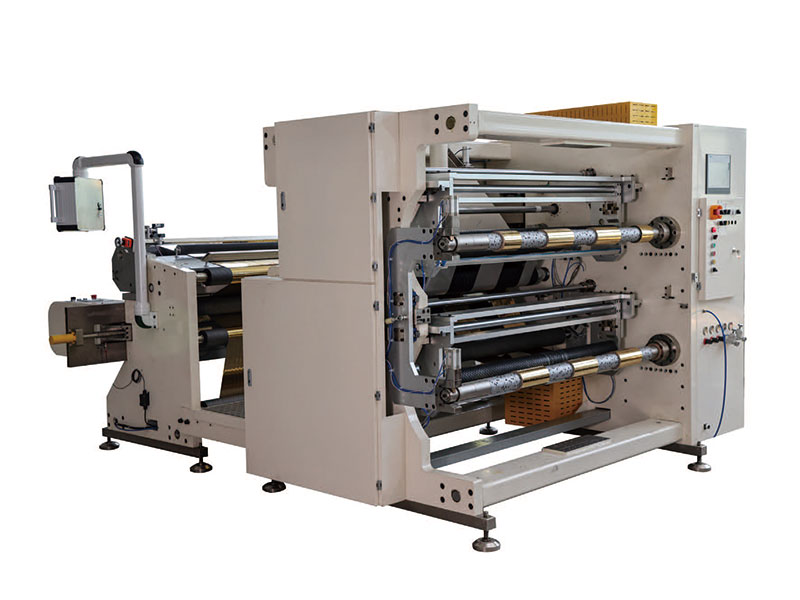 1400mm Copper Foil Slitting Machine


 +86 135 9951 7291
 support@delishmachine.com