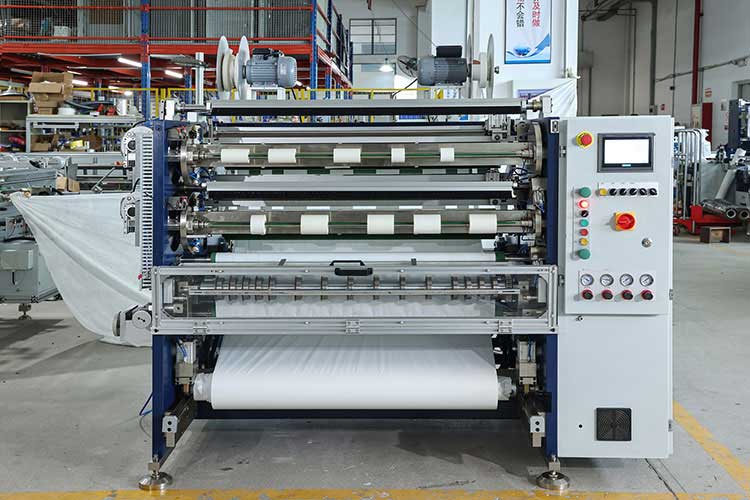
The self-adhesive label slitting machine is not limited to cutting labels. According to the applicable list published by equipment manufacturers, its material compatibility is quite broad, covering paper, film, and some special flexible coils. A well-adjusted slitting machine can often switch between multiple scenarios such as label printing, packaging, and electronic materials.
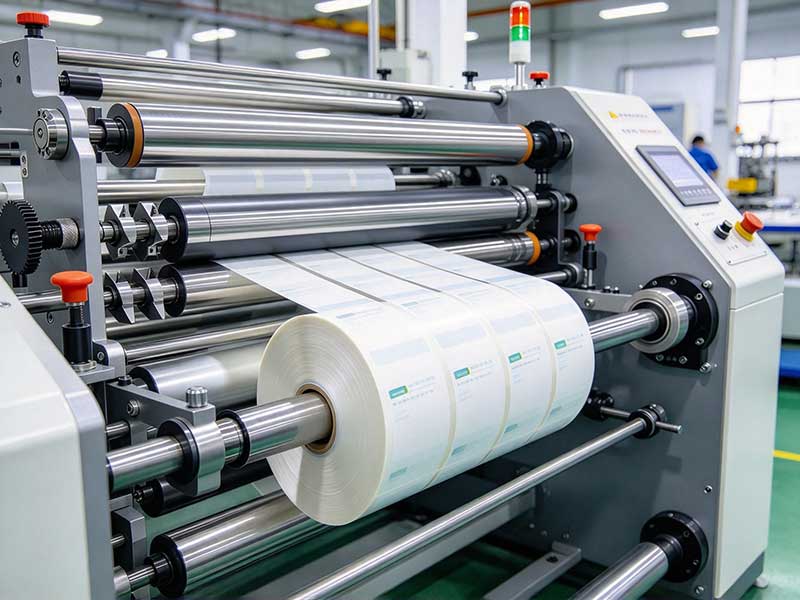
Paper and label substrates: the "basic board" of slitting machines
Paper materials are the core applicable targets for self-adhesive label slitting machines. Various types of self-adhesive label paper need no further explanation; this is the core of the equipment. In addition, common label surface materials and backing papers are also applicable, including kraft paper, release paper (also known as release paper), thermal paper, insulating paper, and so on. Some devices also explicitly support thicker paper media such as white card paper and art paper. For label printing factories, this means that a single slitting machine can handle both rewinding and slitting of finished label rolls, as well as processing backing paper or surface materials from incoming materials.
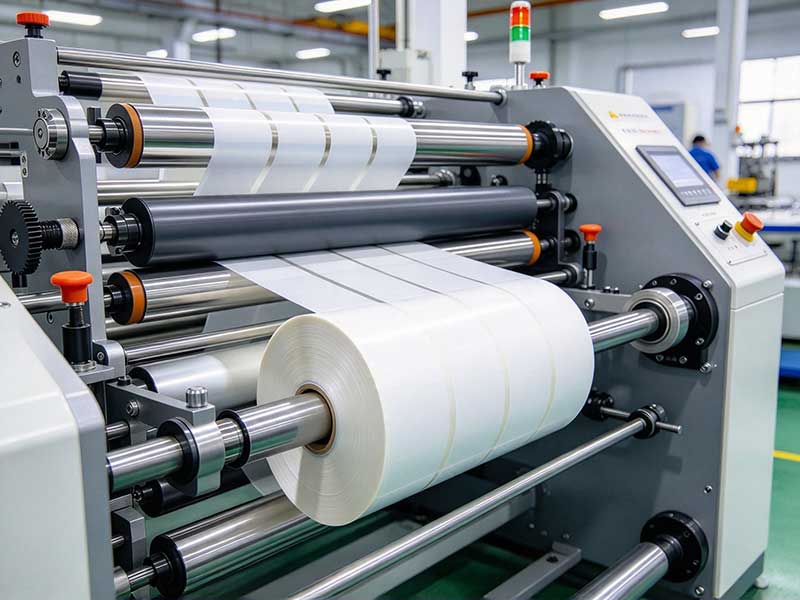
Film materials: from packaging films to electronic functional films
Film is another major applicable category of self-adhesive slitting machines. Conventional plastic films such as PP, OPP, PE, PET, and PVC can all be slit. Among these, PET and PVC are especially common in the labeling field; the former is often used for durability or electrical labels, while the latter is more commonly seen in shrink film labels or special effect labels. It is worth noting that some equipment manufacturers' listings also extend to functional films, such as protective films, diffusion sheets, reflective films, release films, and so on. This indicates that the application scope of slitting machines is not limited to the printing and packaging industry; they can also be useful in the upstream processes of electronic and optical die-cutting processes.
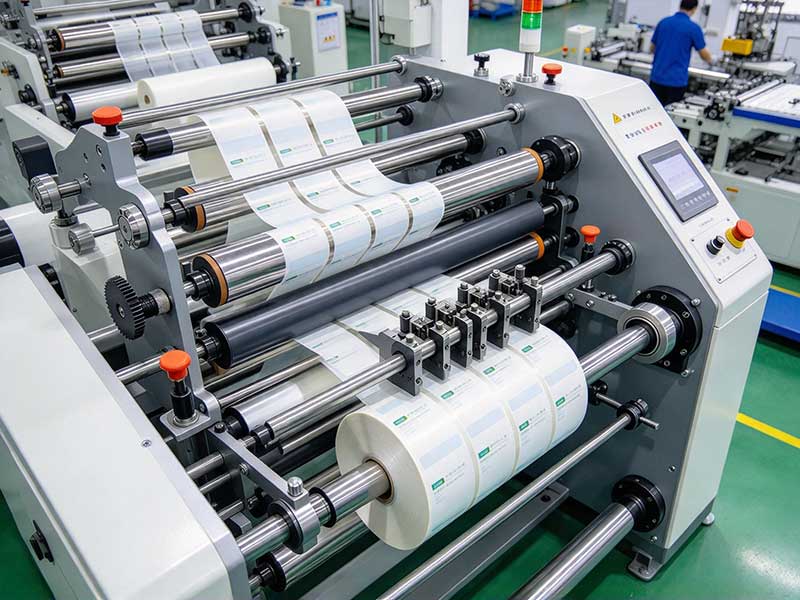
Special and composite soft materials: Commonly overlooked applicable items
Besides paper and film, some self-adhesive label slitting machines can also handle materials that look "not very label-like." For example, non-woven fabrics, Velcro, hook-and-loop tape, and other textile rolls; Copper foil, aluminum foil, aluminum-plastic film, and other metal foil materials; as well as soft materials such as foam, pearl cotton, and leather. These materials are included because the working principles of slitting machines—unwinding, correction, tension control, slitting with round or razor blades, and winding—are inherently universal to "flexible coils." As long as the material thickness is within the equipment design range and the winding tension is controllable, slitting is possible. Of course, whether the actual slitting can be stable still depends on the tool holder configuration and tension accuracy of the specific model.
Boundaries to pay attention to when selecting models
Although the list is long, "applicable" does not mean "useful." When the same slitting machine cuts different materials, the results can vary greatly. Paper materials are relatively easy to handle, with less dust and good rigidity; Thin PE or PET films require higher tension control and are prone to wrinkling or stretch deformation; Foam and non-woven fabrics may develop edge burrs. If the material has a self-adhesive layer, issues such as glue overflow or knife sticking during slitting must also be considered. Therefore, when selecting based on the material list, a more pragmatic approach is: first confirm whether the equipment clearly indicates the typical thickness range supporting the target material, then understand whether the tension control method and slitting tool form match the characteristics of the material.
Overall, the self-adhesive label slitting machine is a type of general-purpose processing equipment mainly based on paper and film, extending to various flexible roll materials. The reason for its long material list lies in the inclusiveness of the "coil slitting" process itself. For users, rather than pursuing a machine that can "cut anything," it is better to choose a model with mature application cases based on the characteristics of their main materials.
 English
 Deutsch
 Français
 Español
 Português
 日本語
 русский
 한국어
 عربي
 ภาษาไทย
 Tiếng Việt
 Italiano

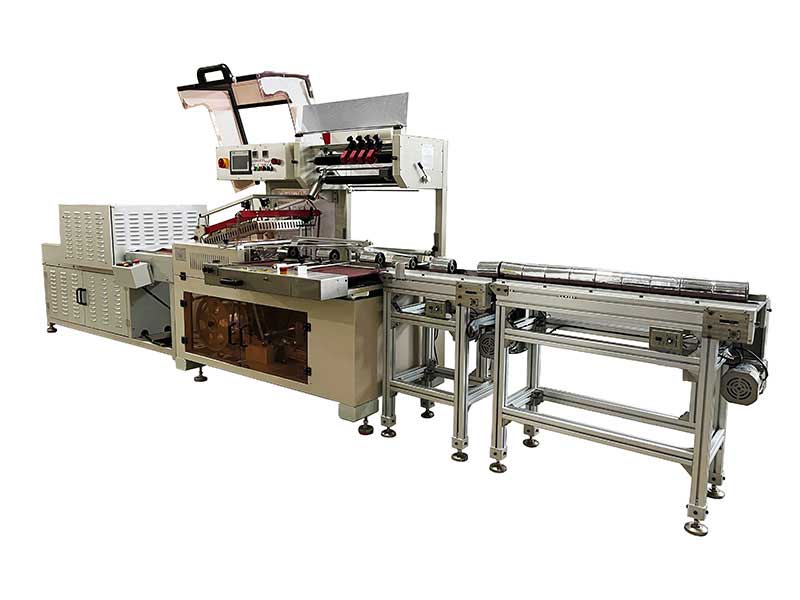 Thermal Transfer Ribbons Packaging Machine
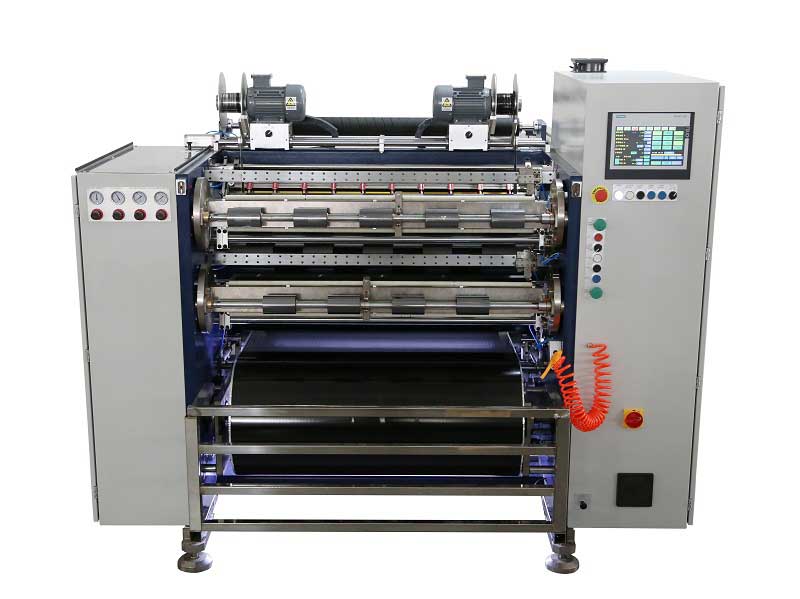 Automatic Thermal Transfer Ribbon Slitting Machine RSDS8 H PLUS
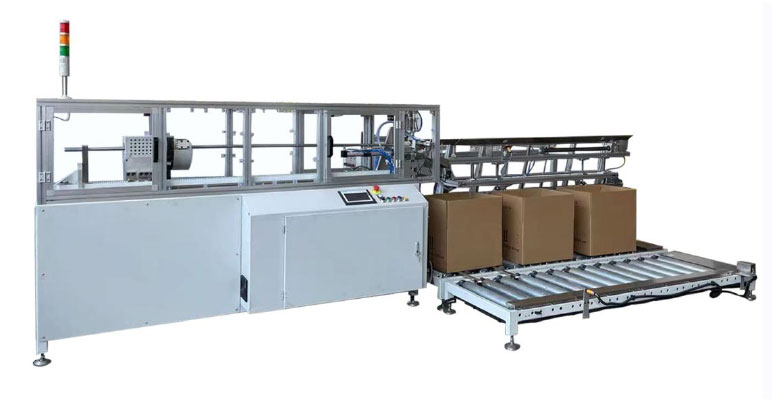 Automatic Paper Core Cutting Machine
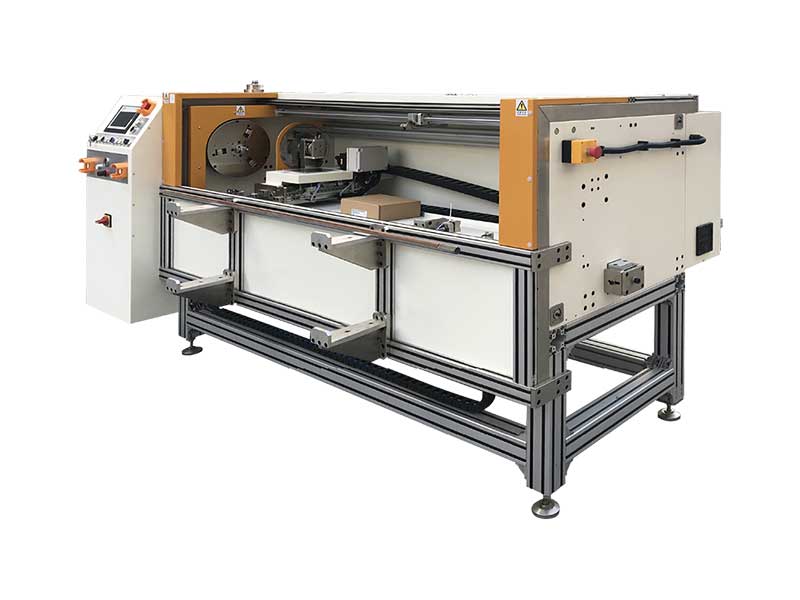 Automatic Foil Roll Cutting Machine
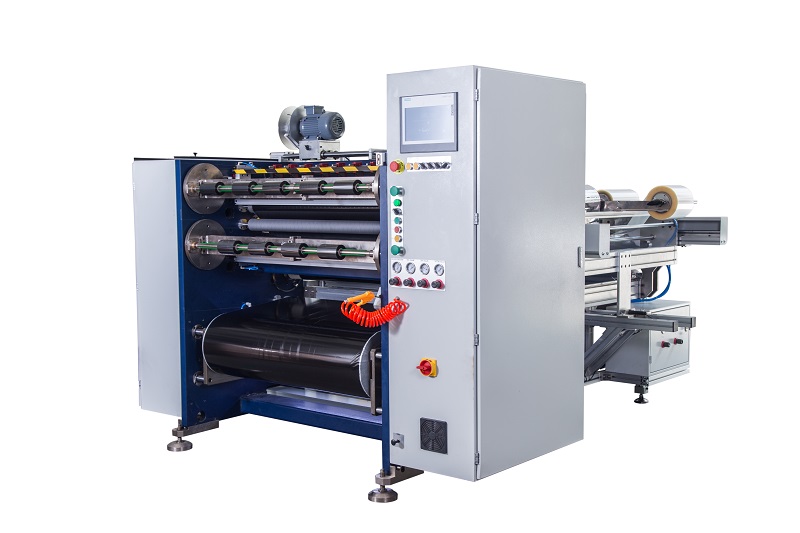 Semi Automatic Thermal Transfer Ribbon Slitting Machine RSDS5 PLUS
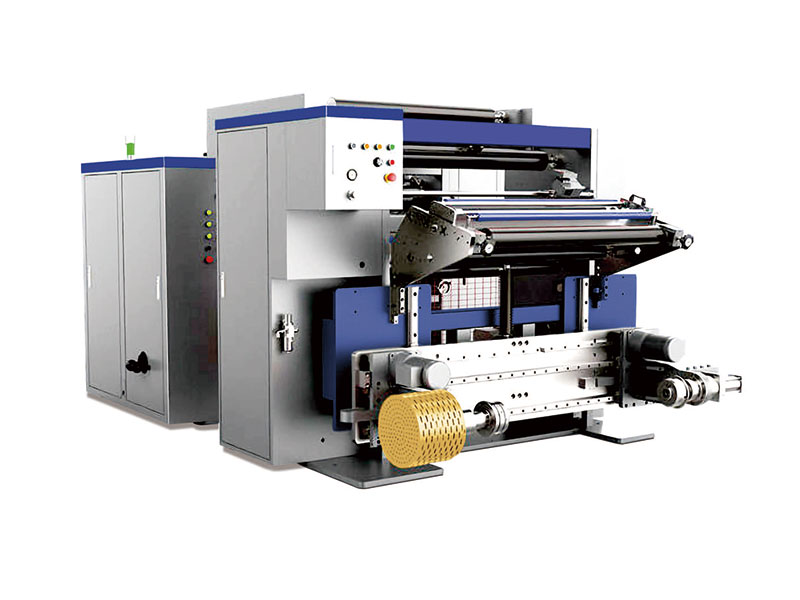 High Speed Slitting Machine
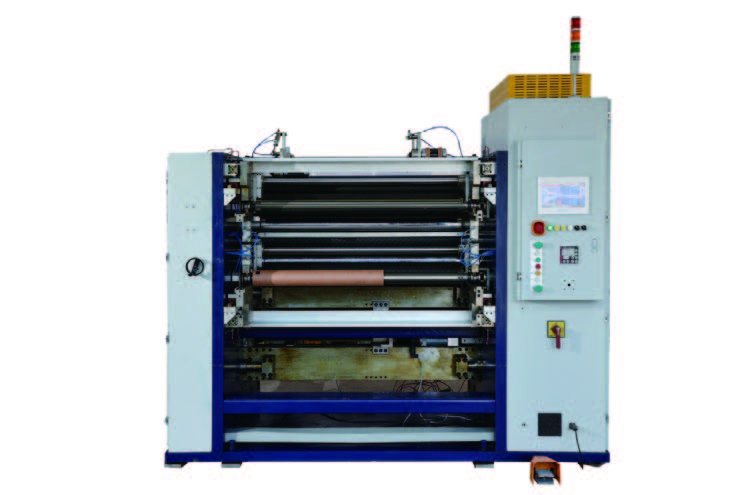 New Energy Ultra-thin Film Slitting Machine For Capacitive Film
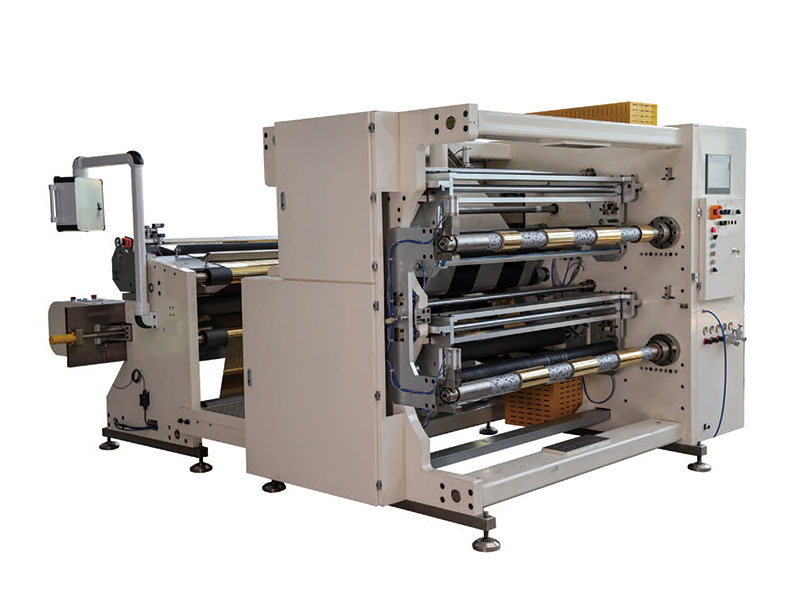 1400mm Hot Stamping Foil Slitting Machine


 +86 135 9951 7291
 support@delishmachine.com
