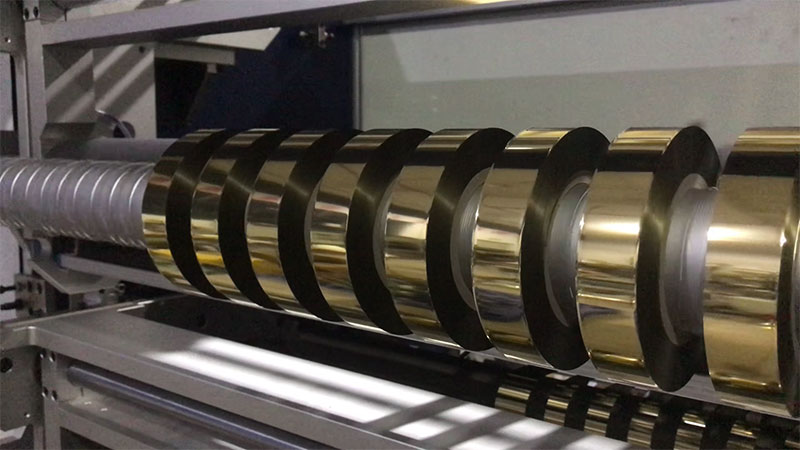
The slitting process of gold foil foil is often called "30% stamping, 70% slitting," and the quality of the slitting directly determines the subsequent stamping effect and yield. However, hot stamping foil, which is only 12–30μm thick, is made by composing multiple layers such as PET base film, release layer, and metal plating. Each layer has significant differences in hardness and toughness, making it easy to generate burrs and debris during slitting. This not only causes "gold flying" and "powder shedding" during hot stamping to contaminate the hot stamping plate, but also causes foil breakage and shutdowns, making it one of the most challenging pain points in the industry. This article will systematically analyze solutions to burr and debris issues from four dimensions: tool systems, tension control, electrostatic and dust removal, and equipment precision.
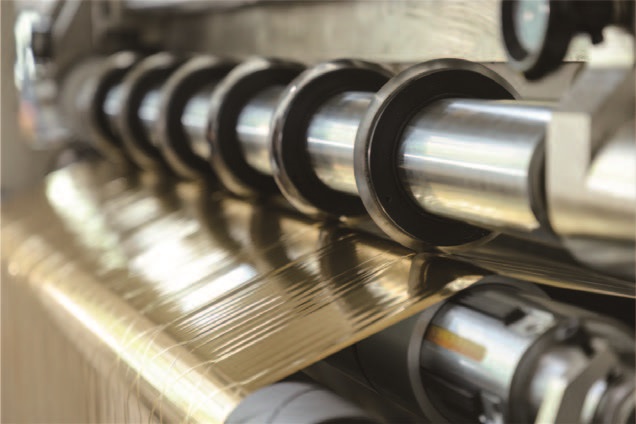
1. Tool System: The "First Scene" of Burr Generation
The tool is the "first checkpoint" that determines slitting quality; over 90% of sudden burr issues stem from poor tool condition.
The core issue is: the blunt blade cannot sharply "cut" the foil, but rather "squeeze through" or "tear through." The metal plating of hot stamping foil is hard and brittle, while the release layer is soft and tough. When uneven force is applied, microscopic serrated burrs or cracks will inevitably form at the edges.
Strategies for resolution include:
• Blade replacement and grinding: Establish a mandatory replacement cycle rather than "replace it after it breaks." For high-demand products, even if the blade looks decent after a certain slit, it should be replaced.
• Precise control of bite amount: The upper and lower blade bite amounts are usually controlled between 0.02–0.05mm (finely adjusted according to foil thickness); excessive clearance can cause tearing, while too small will accelerate wear. Experience-wise, it pursues a "half-touch, not yet non-collision" micro-gap state.
• Cutter shaft runout suppression: Radial runout of the cutter shaft exceeding 0.02mm causes unstable cut pressure, which requires dial gauge testing and calibration.
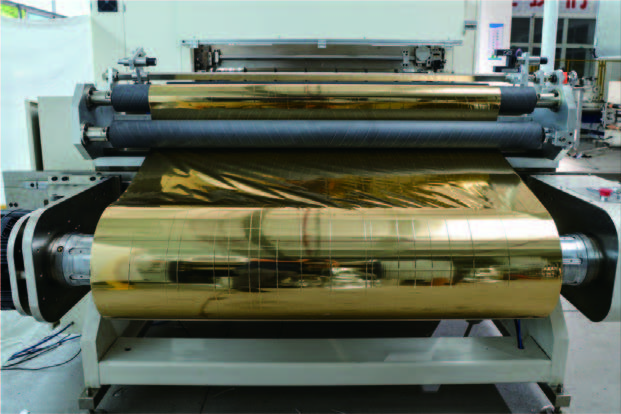
2. Tension Control: The "Fixed Star" of the Winding End Face
Tension fluctuations are the "number one culprit" behind uneven ends and increased rough edges. Excessive tension causes the foil strip to stretch, deform, or even break; too low tension causes the foil strip to vibrate in the cutting zone, resulting in uneven cut edges.
The industry-recommended hot stamping foil tension is 1.5–3N/mm². But more importantly, it employs a taper tension control strategy—as the rewinding diameter increases, the tension decreases according to a preset curve, preventing outer tension from compressing the inner layer and causing wrinkles. A typical approach is to divide winding into three stages: the initial stage (low tension ensures a smooth core), the constant tension stage, and the taper descent stage. After applying precise taper tension control, the rate of end-face misalignment scrap can be reduced by 40%–60%.
3. Static Electricity and Dust Removal: The Invisible "Edge-Side Helpers"
During high-speed slitting, friction generates static electricity, which attracts tiny aluminum powder and plastic dust produced by cutting. These particles repeatedly press into the newly cut edges, forming "secondary burrs," which are also the direct source of hot stamping "pit spots."
The solution is usually used in conjunction with static dissipation rods or ion nozzles before and after the cutter, combined with edge dust blowing and suction systems to extract chips in real time, ensuring a clean slitting end. At the same time, ensure the equipment's grounding resistance < 4Ω.
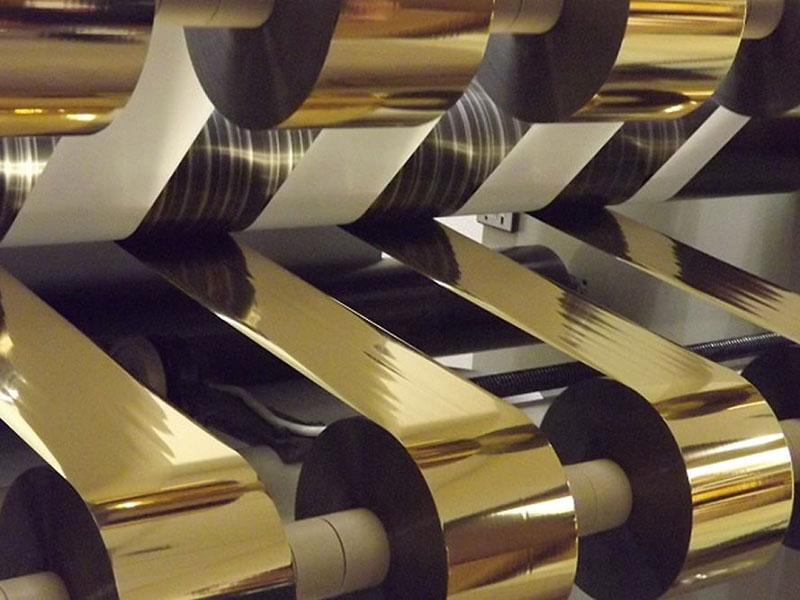
4. Equipment Precision and Maintenance: Systematic Prevention
Burrs and deviation are often mutually causal—burr debris accumulates on the guide roller causing deviation, which in turn causes the foil tape to be cut at an angle and further increases burrs. Therefore, a cyclic inspection path must be established: cleaning the entire machine→ checking tools→ calibration, optimizing tension for the center→ → verifying deviations.
Daily maintenance points include: daily cleaning of the knife holder, guide rollers, and foil powder on the reel; Wipe all rollers weekly with anhydrous alcohol; Regularly check the roller parallelism (pressure deviation between left and right controlled within ±3N, parallelism ≤0.05mm/m). The pressure roller should be made of polyurethane rubber with a Shore A hardness of 60–75, with a surface roughness of Ra 0.8–1.6μm. Excessive hardness or softness can cause uneven pressure.
Summary
Solving the issues of burrs and debris in hot stamping foil slitting essentially involves balancing mechanical precision, material properties, and process parameters. Relying on "temporary adjustments to fix the problem" often recurs; only by systematically implementing measures from four dimensions—tool management, tension optimization, electrostatic dust removal, and preventive maintenance—can stable and high-quality slitting production be achieved. The industry trend is shifting from "post-event inspection" to "predictive maintenance," equipping critical slitting machines with online edge detection and blade condition monitoring, shifting passive maintenance into proactive prevention.
 English
 Deutsch
 Français
 Español
 Português
 日本語
日本語 русский
 한국어
한국어 عربي
عربي ภาษาไทย
 Tiếng Việt
 Italiano
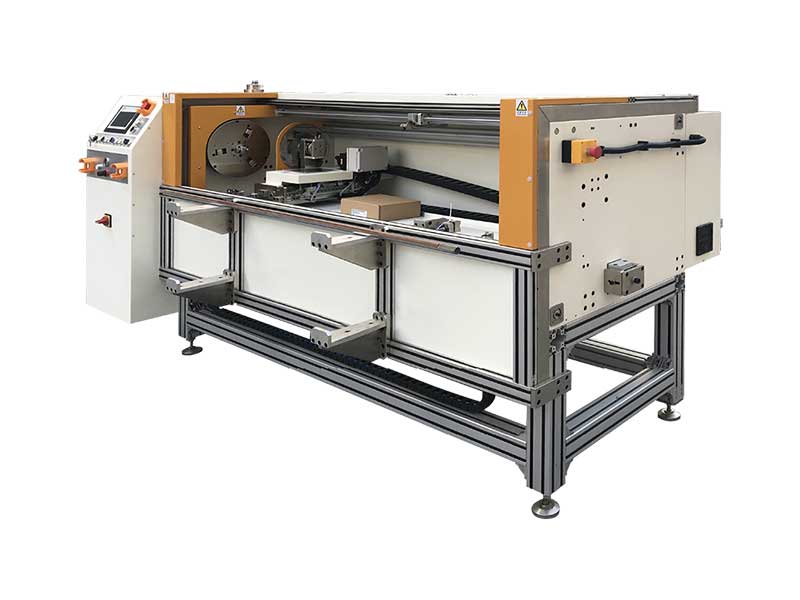 Automatic Foil Roll Cutting Machine
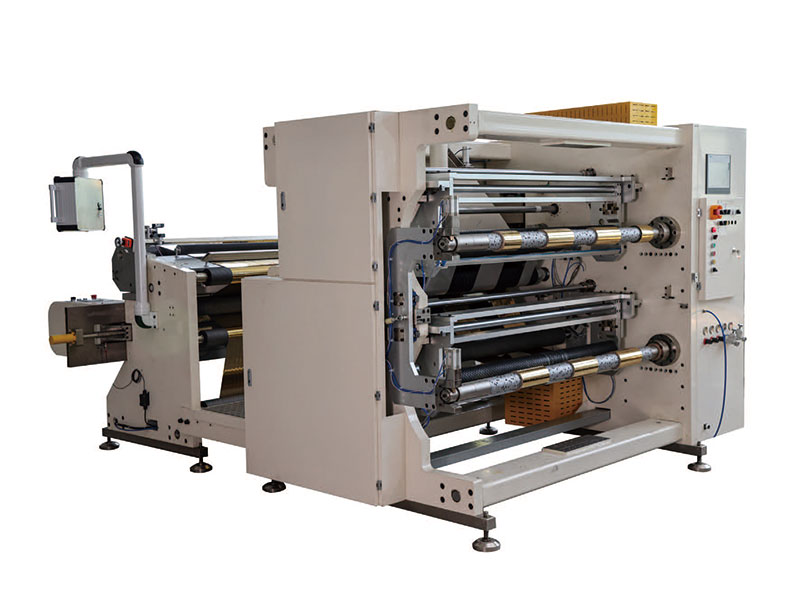 1400mm Hot Stamping Foil Slitting Machine
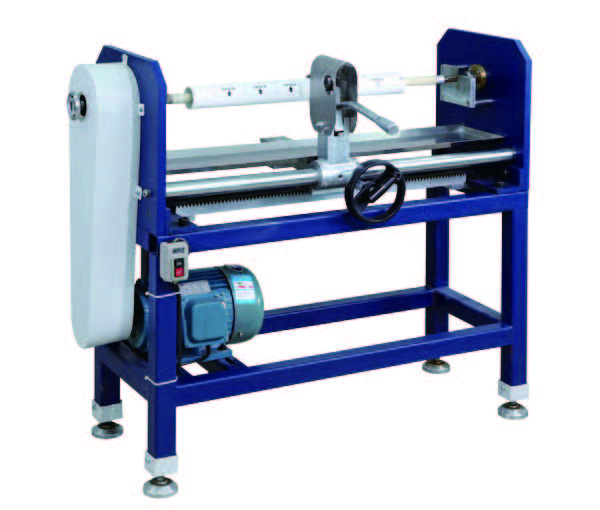 Manual Foil Roll Cutting Machine
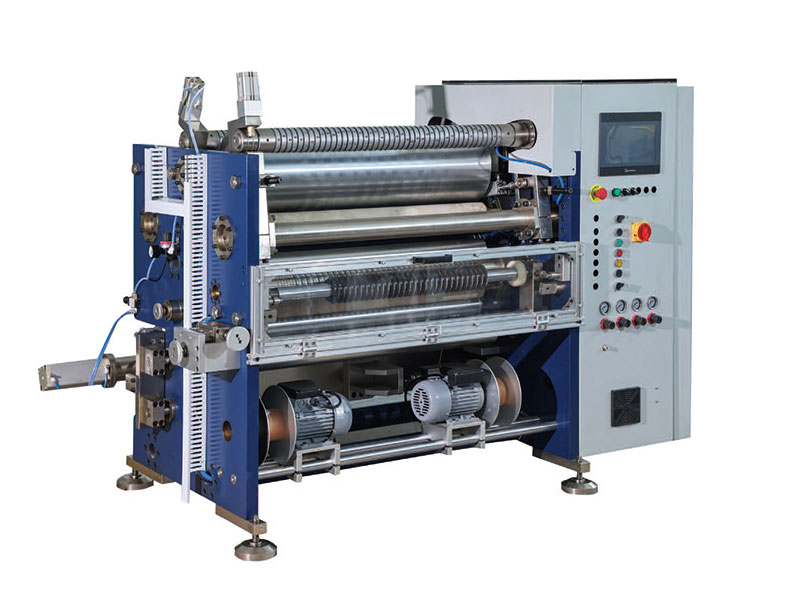 800mm Hot Stamping Foil Slitting Machine
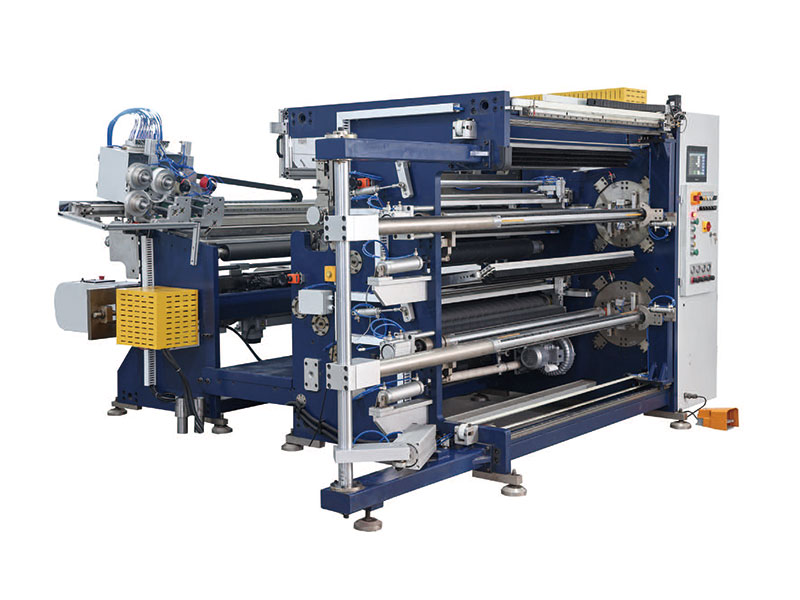 1350mm Hot Stamping Foil Slitting Machine
 Photo & Card Print Ribbon Rewinding Machine
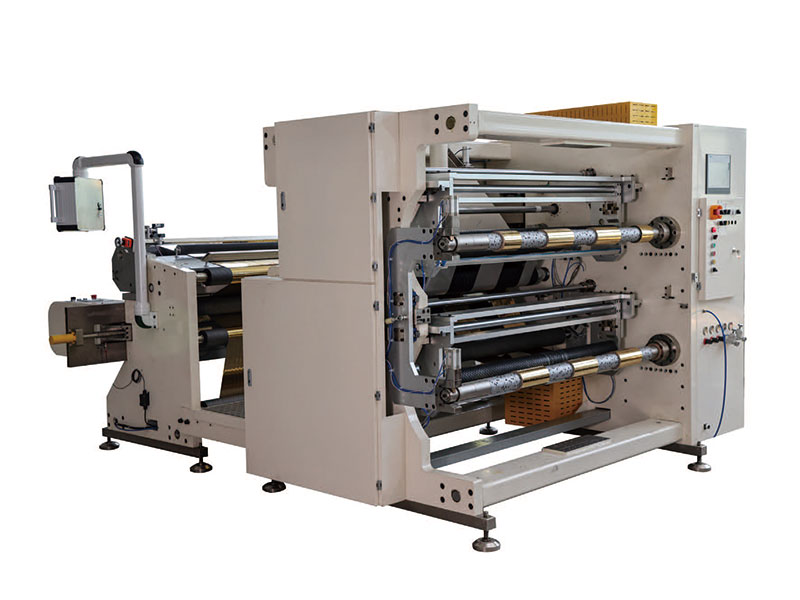 1400mm Copper Foil Slitting Machine
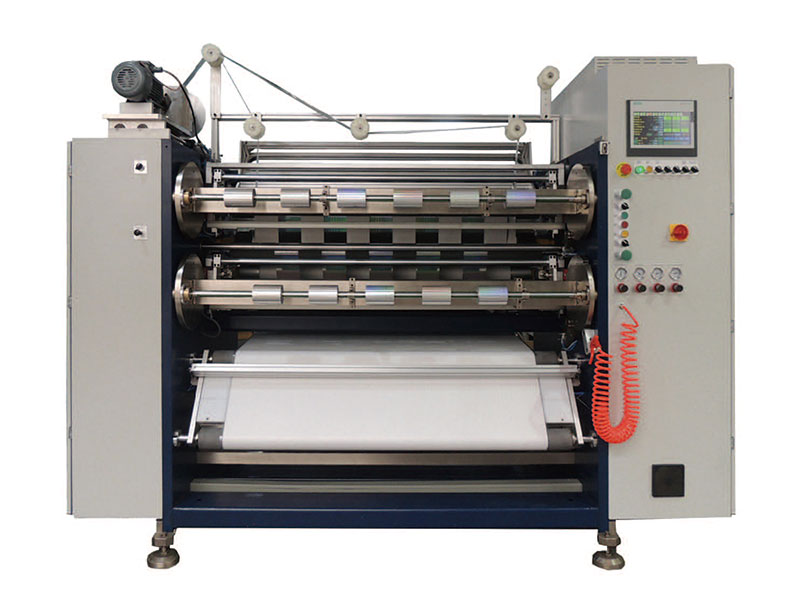 1350mm/1600 Foil Slitting Machine


 +86 135 9951 7291
 support@delishmachine.com