1. Why Precise Segmentation Is the Industry's "Lifeline"
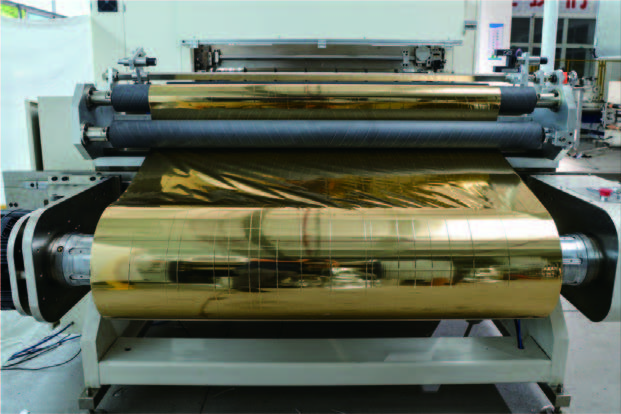
Hot stamping foil is a multi-layer composite flexible material, typically composed of a PET base film, release layer, color layer, aluminum coating, and glue layer, with a total thickness often less than 0.02mm. This precise structure makes the slitting process extremely sensitive to tension, edge alignment, tools, and surface protection—any mistake at any stage could result in the scrapping of the entire roll of expensive materials.
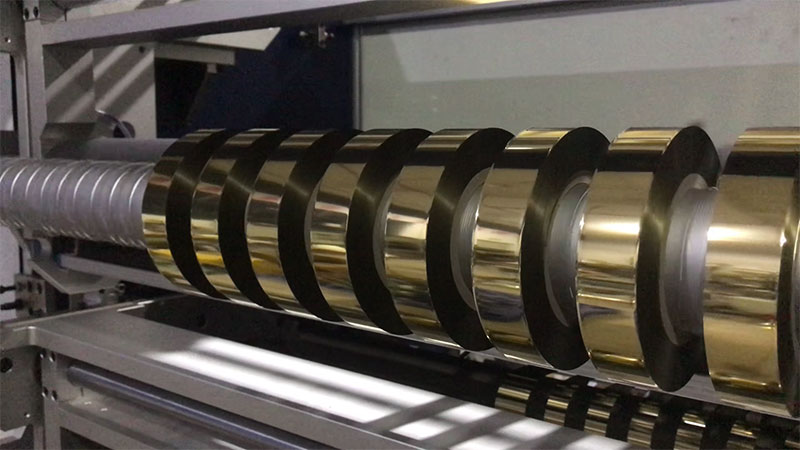
In actual production, the quality of the slitting directly determines the subsequent stamping effect: edge burrs can cause unclear stamping patterns and gold dropping and powder; Improper tension can cause stretching and deformation of the foil, resulting in inaccurate pattern alignment during stamping; If the winding is uneven, the entire roll of foil may be unusable on the machine. As the packaging industry increasingly demands the quality of hot stamping foil, the traditional "almost" slitting method is no longer sustainable.
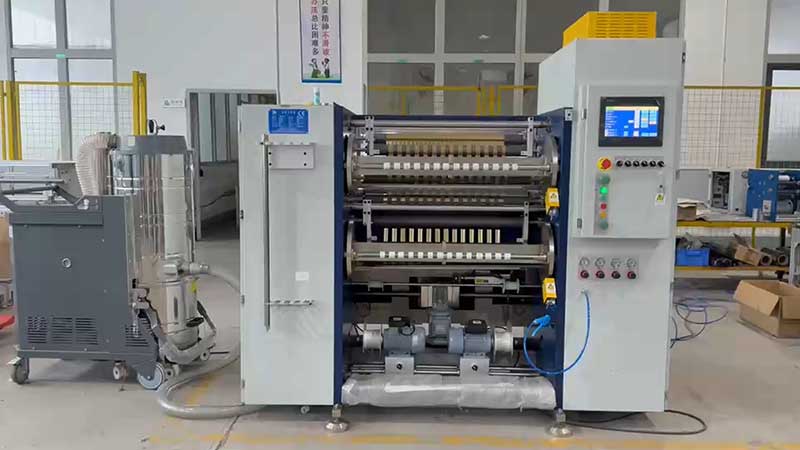
2. Three Core Technologies: Building the Foundation for Precise Slitting
1. Tension Control: The "Soul" of the Slitting Machine
Tension control is the core technology of slitting, directly determining the tightness, flatness, and internal stress state of the membrane. Excessive tension can stretch the foil, causing pattern deformation, and even interlayer slippage and cracking; If the tension is too low, the roll becomes loose and loose, resulting in 'chrysanthemum patterns' or sagging edges; Tension fluctuations can create rings of tightness and looseness on the membrane, planting potential quality risks.
Modern high-performance slitting machines use a fully automatic closed-loop tension control system: using tension sensors to detect foil stress in real time, and after PLC calculation, drives magnetic powder brakes or servo motors to dynamically adjust torque to achieve constant tension control. More advanced equipment also employs taper tension control strategies—as the winding diameter increases, the system automatically reduces surface tension to prevent the core from being crushed or the outer layer being embedded into the inner layer. For different materials, tension settings must be precisely adapted: PET substrates have high tensile strength and can withstand tensions of 2.5-4.0N/cm²; Paper-based foil is easy to stretch and needs to be reduced to 1.0-2.0N/cm²; Laser foil and transfer foil are extremely sensitive to tension fluctuations and must be controlled in a closed-loop range, set within the range of 1.5-2.5N/cm².
2. Correction System: The key to ensuring "edge alignment."
The hot stamping foil master roll itself may have irregular edges such as thin edges or drifting edges, and vibration and stress release during equipment operation can also cause material deviation. If not corrected, the slitting blade may cut into the pattern and cause scrapping, and after rewinding, it may form staggered "steps."
The solution for the Intelligent Correction System (EPC) is: photoelectric or CCD vision sensors detect the foil edge position in real time. The controller compares the detection signal with the preset position, driving the servo actuator to make micron-level lateral adjustments to unwinding or traction rolls, guiding the foil back to the correct path. Currently, high-end equipment can achieve a correction accuracy of up to ±0.05mm, with a response time of less than 50ms. For hot stamping foil with printed positioning marks, line alignment correction (LPC) can also be used, ensuring precise slitting positions by identifying specialized marking lines.
3. Cutting Tools: The Blades Used for "Precision Surgery."
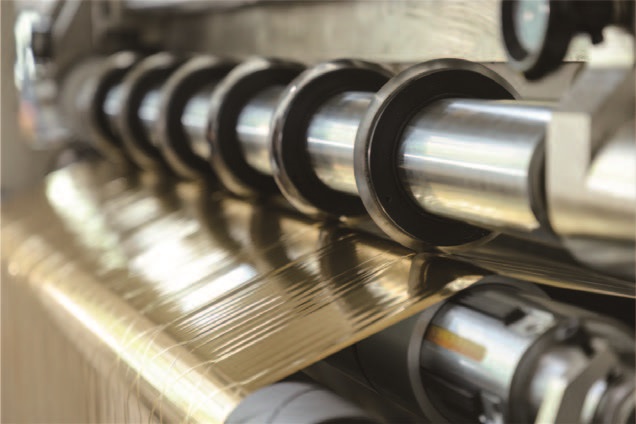
The tool is the ultimate executor of slitting quality. Flat blade slitting (shear type) is the preferred method for hot stamping foil foil—its principle is similar to scissors, with the upper and lower circular blades interacting to create a clean cut without burrs or powder debris, preventing dust from contaminating the adhesive layer of the foil foil. Although circular blade slitting (drawn-cutting) is relatively low-cost, it easily produces burrs and powder chips, so it is rarely used in high-end applications.
Tool material is equally crucial: cemented carbide (tungsten steel) inserts are more wear-resistant than high-speed steel, suitable for long-term high-speed operation; For materials with fine surfaces such as laser foil and transfer foil, special blades coated with Teflon or diamond should be used to avoid scratching surface patterns. The blade gap should be set at 10%-15% of the material thickness; too tight will accelerate wear, too loose will result in incomplete slitting. For micron-level slitting requirements, the cutting edge of the tool needs to be mirror-polished (roughness ≤ 0.1μm), and the cutting edge angle is usually controlled between 20° and 30°.
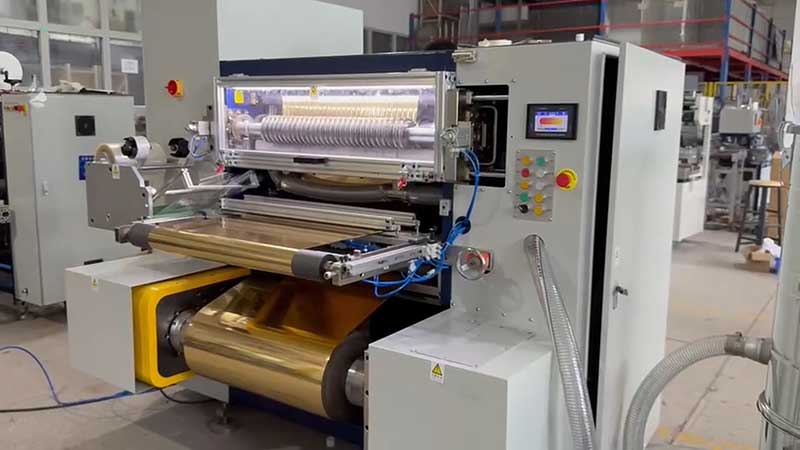
3. From "Capable of Doing Things" to "Excelling in Excellence": Technology Collaboration and Intelligent Upgrades
No matter how strong single-point technology is, if it cannot work collaboratively, overall precision is difficult. Taking the slitting + rewinding integrated machine as an example: the three stages of unwinding, slitting, and rewinding use independent closed-loop tension control, with real-time feedback from the floating roller sensor to ensure stable tension throughout the process; The dual-station rewinding system achieves zero downtime for rewinding, reducing the time per rewinding from the traditional 3-5 minutes to nearly zero. With EPC+CCD dual-fuse correction, slitting speed can be increased to 250-350m/min, and the finished product rate jumps from 90%-93% to over 98%.
Intelligence is becoming the new standard for slitting equipment. A preset process database can store customized parameters for different customers (tension, speed, slitting mode), which can be recalled with one click during order changes, reducing tool change time from hourly to minute levels. MES system integration enables equipment to automatically receive order information and generate slitting schemes, with production data uploaded in real time for easy traceability. The AI visual inspection system can identify foil defects (scratches, bubbles, missed coating, etc.) in real time, automatically mark or sort defective products, and achieve a rejection rate of over 99.9%.
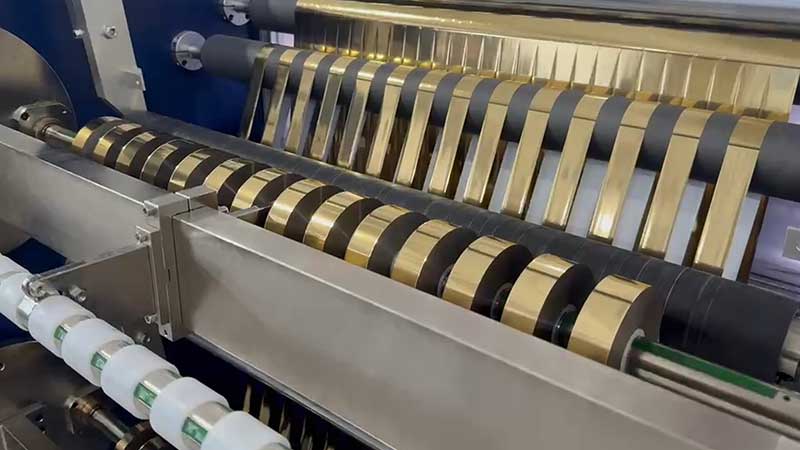
4. Practical Case: Behind the 30% Capacity Increase
A leading domestic packaging and printing company once faced a typical dilemma: the original slitting machine was slow and had average precision, frequently delaying the upstream and downstream processes; Traditional slitting losses exceed 5%, and expensive hot stamping foil is wasted in large amounts; The debugging time for small-batch, multi-variety order changeover can reach up to 15 minutes, with severe lack of flexibility.
After introducing a fully automatic slitting machine integrating high-precision tension control, visual correction, multifunctional tool holders, and PLC intelligent control, the results were remarkable: slitting speed increased from 150m/min to 200+m/min, order change time shortened from 15 minutes to 3 minutes, and overall production capacity increased by 30%; The slitting loss rate dropped from over 5% to below 1%, and just the material savings alone recouped a considerable proportion of equipment investment within half a year.
5. Conclusion
Precise slitting of hot stamping foil is not a performance competition of a single piece of equipment, but rather the collaboration of three core elements: tension control, deviation correction system, and tool technology, combined with the flexible responsiveness brought by an intelligent management system. For printing and packaging companies, investing in advanced equipment at this critical stage is not only a solution to immediate quality and efficiency pain points, but also a strategic choice to revitalize the entire production line capacity and enhance the ability to handle high-difficulty orders. As gold foil quality increasingly becomes a source of brand premium, the value of precise cutting deserves re-examination.
 English
 Deutsch
 Français
 Español
 Português
 日本語
日本語 русский
 한국어
한국어 عربي
عربي ภาษาไทย
 Tiếng Việt
 Italiano
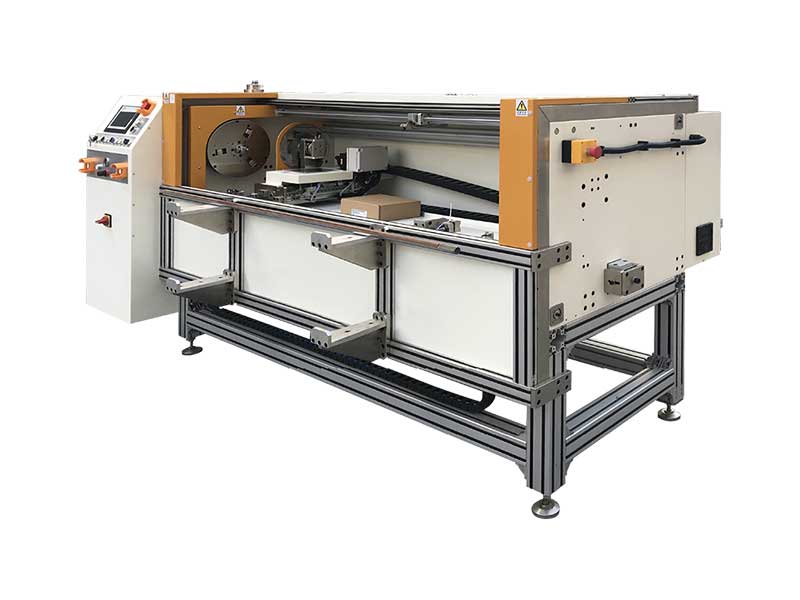 Automatic Foil Roll Cutting Machine
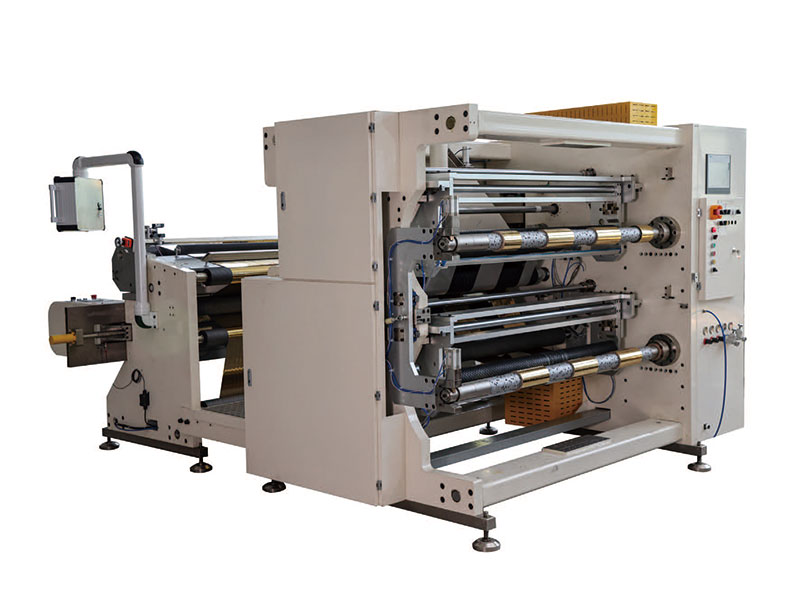 1400mm Hot Stamping Foil Slitting Machine
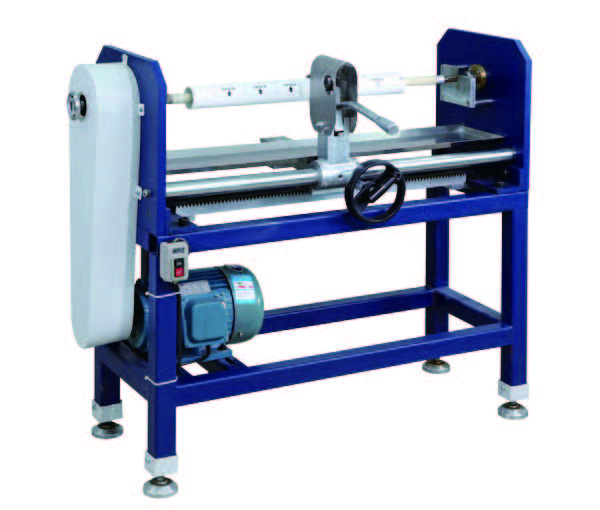 Manual Foil Roll Cutting Machine
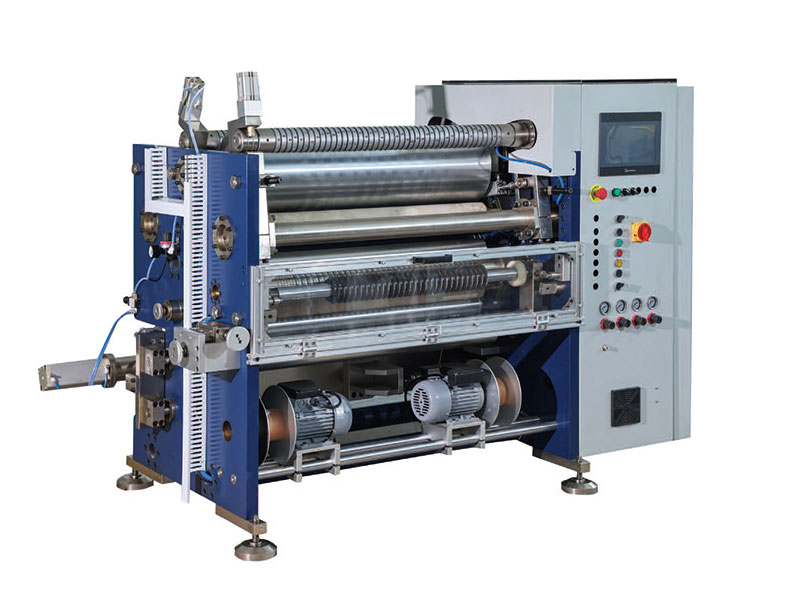 800mm Hot Stamping Foil Slitting Machine
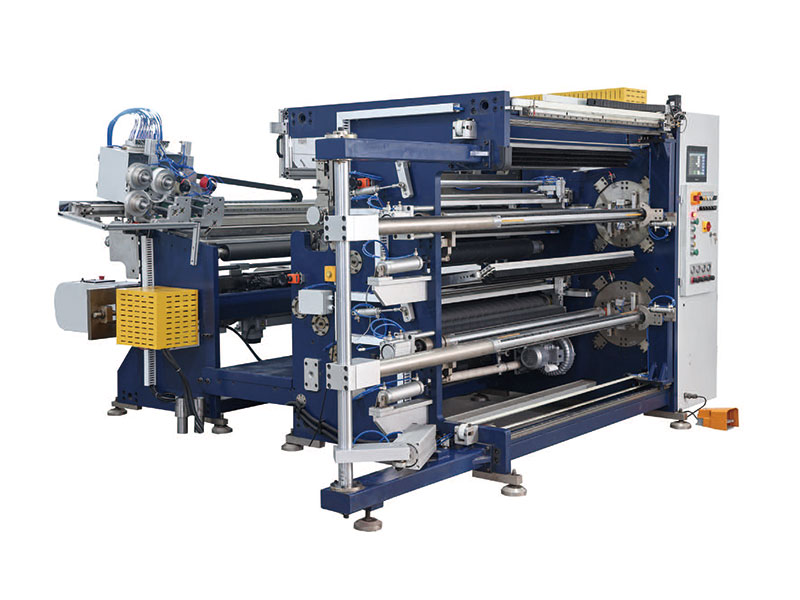 1350mm Hot Stamping Foil Slitting Machine
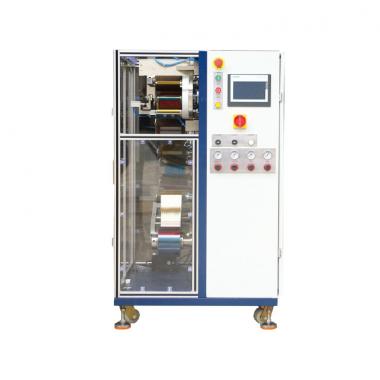 Photo & Card Print Ribbon Rewinding Machine
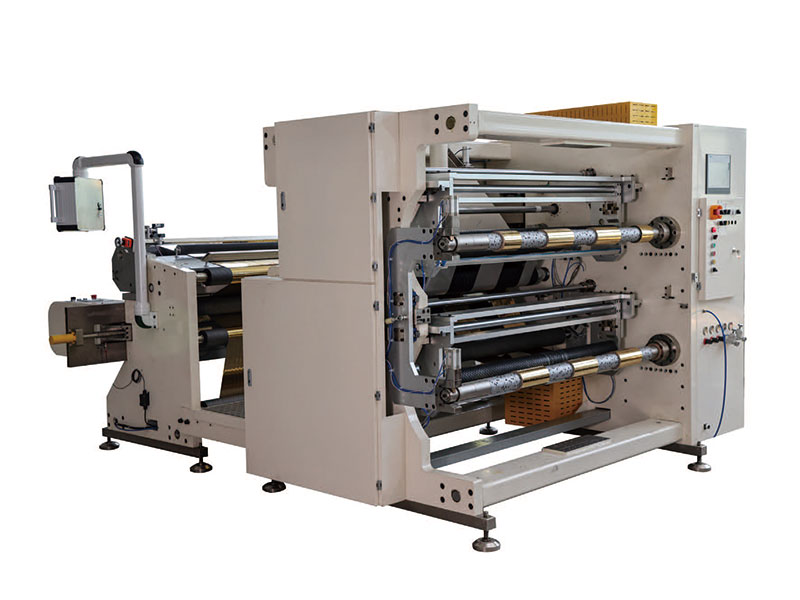 1400mm Copper Foil Slitting Machine
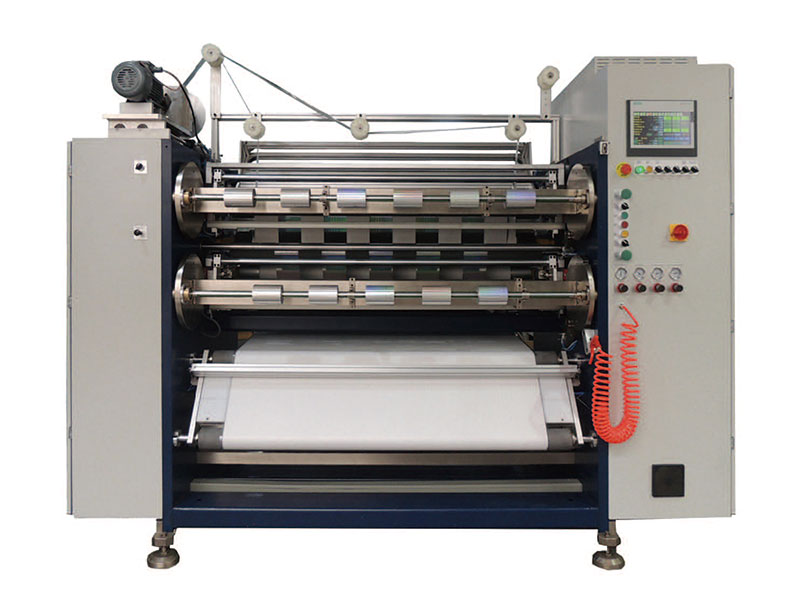 1350mm/1600 Foil Slitting Machine


 +86 135 9951 7291
 support@delishmachine.com