In fields such as packaging printing, anti-counterfeiting labels, and high-end cultural and creative products, hot stamping has always been an important means to enhance product texture and added value. The quality of hot stamping often depends on a seemingly simple yet crucial step—the cutting of the foil foil. In the past, issues such as burrs, wrinkles, electrostatic adsorption, and dimensional deviations during slitting have long troubled industry practitioners. Now, with the advent of the new generation hot stamping foil slitting machine, "zero-flaw foil" has finally moved from ideal to reality, redefining the slitting process.
1. The Pain of Traditional Splitting: Flaws Are Hard to Avoid
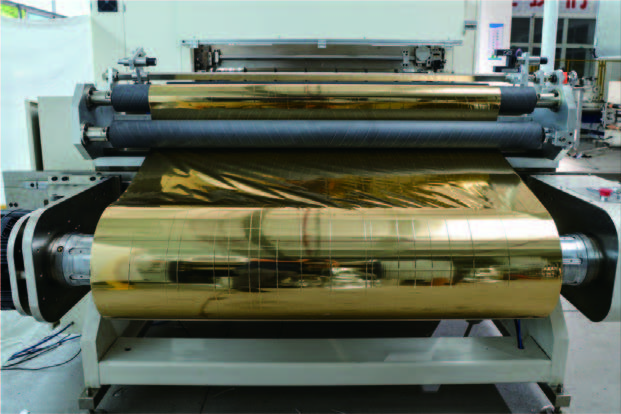
Traditional hot stamping foil slitting mostly relies on mechanical shearing or ordinary circular knife slitting equipment. Because hot stamping foil is extremely thin (usually 12μm~50μm), the surface coating is sensitive, and it is easily affected by temperature and humidity, traditional slitting methods often cause three major problems:
1. Edge burrs and serrations: Blade dullness or unstable tension control can cause tiny tears or burrs at the foil edges. During hot stamping, these burrs can make the edges unclear or even clog the hot stamping plate.
2. Scratches and coating damage: Uneven surfaces of guide rollers or tools, scratching the foil surface during high-speed operation, leaving obvious "white streaks" or "bright spots" after hot stamping.
3. Wrinkles and misalignment caused by tension fluctuations: Traditional equipment lags behind tension feedback, making the foil roll prone to longitudinal wrinkles or lateral displacement during slitting, resulting in the entire roll being scrapped.
These issues not only lead to 20%~30% material loss, but also greatly increase the risk of delivering high-end orders. The industry once believed that completely avoiding micron-level defects was almost impossible.
2. Technological Breakthroughs: How Is Zero Flaws Achieved?
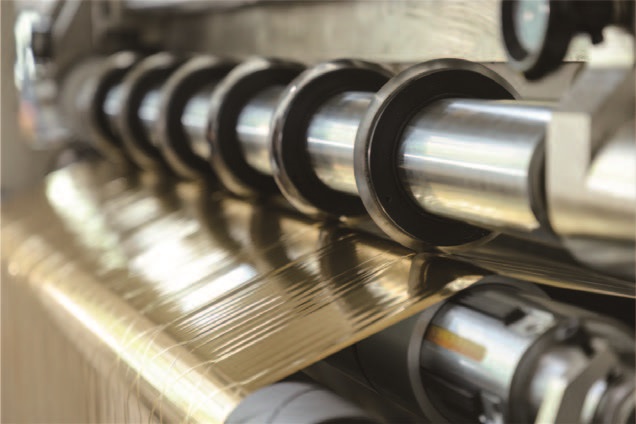
The new generation hot stamping foil slitting machine has thoroughly solved these pain points through systematic technological innovation. Its core breakthrough can be summarized as "four-dimensional precision control":
1. Nano-level tool sets and active tool alignment systems
Uses laser-clad cemented carbide inserts combined with micron-level precision grinding technology, with blade straightness errors less than 0.5μm. At the same time, the equipment is equipped with an active tool setting sensor that automatically calibrates the upper and lower blade gaps after each roll change, achieving an accuracy of ±1μm, fundamentally eliminating burrs and saws.
2. Closed-loop tension control and ultrasonic wrinkle reduction
Through the floating tension roller + servo motor providing real-time feedback, tension control accuracy can reach ±0.1N. More importantly, multi-point ultrasonic sensors are embedded in the slitting path. Once a slight uneven stress is detected, dynamic compensation is immediately implemented by adjusting the differential speed of the front and rear traction rollers, ensuring the foil surface remains flat and stretched at any speed, completely eliminating wrinkles.
3. Non-contact static elimination and cleanroom system
Hot stamping foil is highly prone to static electricity during high-speed unwinding, attracting dust particles in the air and causing coating stains. The new equipment is equipped with pulse AC static elimination rods at both the unwinding and winding ends, operating inside a sealed dust cover. Combined with a HEPA circulation filtration system, the slitting environment achieves Class 1000 cleanliness, reducing foil surface particulate residue by over 95%.
4. Full-process visual inspection and intelligent rejection
The onboard high-speed industrial camera scans the slitted foil strip in real time at a speed of 200 meters per minute, and AI algorithms can identify scratches, pinholes, or coating missing beyond 5μm. Once a defect is found, the system automatically records the position and marks it during rewinding, or synchronizes with shutdown removal to ensure every meter of foil delivered meets the zero-defect standard.
3. Redefining Slitting: From "Reduction" to "Beauty"
The realization of zero-defect foil has an impact on the industry that goes far beyond reducing scrap rates. It actually redefines the role of "slitting" throughout the entire hot stamping process chain:
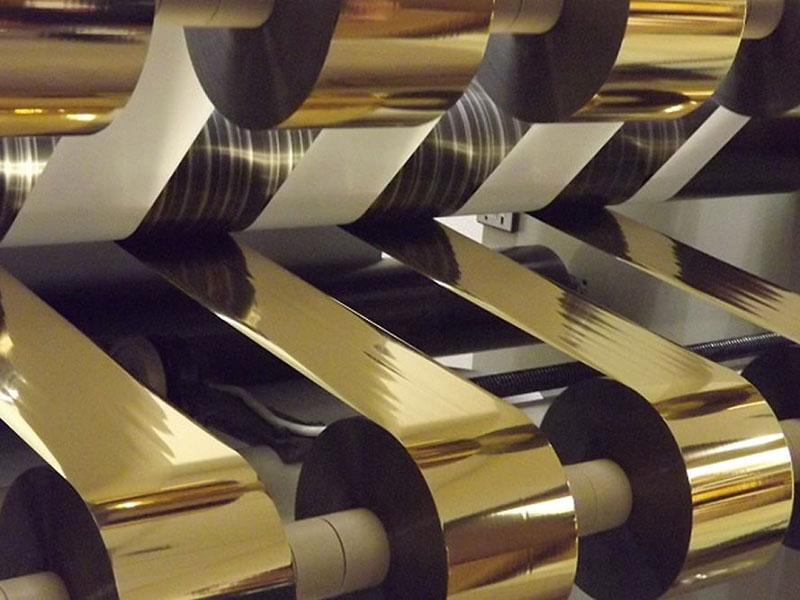
• From passive loss to proactive value creation: In the past, slitting was an inevitable loss process; Today, precise slitting makes high-end narrow-width hot stamping and registration hot stamping (such as holographic positioning hot stamping) stable mass production possible. Designers no longer need to sacrifice pattern details to avoid foil defects.
• Driving the foil stamping process to the micron level: When foil foils themselves are flawless, the alignment accuracy and temperature control capability of hot stamping equipment become new challenges, which in turn promotes overall upstream and downstream process upgrades.
• Empowering emerging application fields: For example, hot stamping circuits for electronic panels and inert metal foil layers for biochips in high-tech scenarios with stringent requirements for foil. Zero-defect slitting technology has opened up the application space for hot stamping foil in emerging fields.
4. Case Verification: From "Picking and Applying" to "Directly Applying"
After a listed anti-counterfeiting technology company introduced a new generation of hot stamping foil slitting machines, its production data changed significantly:
• The yield rate of holographic hot stamping gold foil increased from 82% to 98.6%;
• Effective slit length per roll increased by 35%, as there is no need to cut off defective edge segments;
• Entries related to "foil burrs" and "missing gold stamping edges" in customer complaints are reset to zero.
The company's production manager stated: "Previously, our quality inspectors had to use magnifying glasses to spot check the edges of each roll of foil, but now the entire roll is directly foiled on the machine and passes in one go." The slitting machine is no longer a quality weakness, but has become our confidence in taking luxury packaging orders. ”
5. Outlook: The next stop for intelligent slitting
Zero-defect slitting has become a reality, but this is not the end. With the development of industrial internet and digital twin technologies, the next-generation hot stamping foil slitting machine will have self-learning and predictive maintenance capabilities: it can automatically optimize slitting parameters based on differences in raw materials for each batch of foil, provide early warnings of tool lifespan, and completely transform passive post-inspection into active feedforward control. At that time, slitting will truly become a silent process that requires "no thinking, only results."
Conclusion: This round of evolution in hot stamping foil slitting machines may seem like a rise in precision numbers, but in reality, it represents a shift in industry mindset from 'tolerating flaws' to 'rejecting them.' When zero flaws become standard, the creativity of hot stamping technology can truly break free from material constraints—slitting has never been more important.
 English
 Deutsch
 Français
 Español
 Português
 日本語
日本語 русский
 한국어
한국어 عربي
عربي ภาษาไทย
 Tiếng Việt
 Italiano
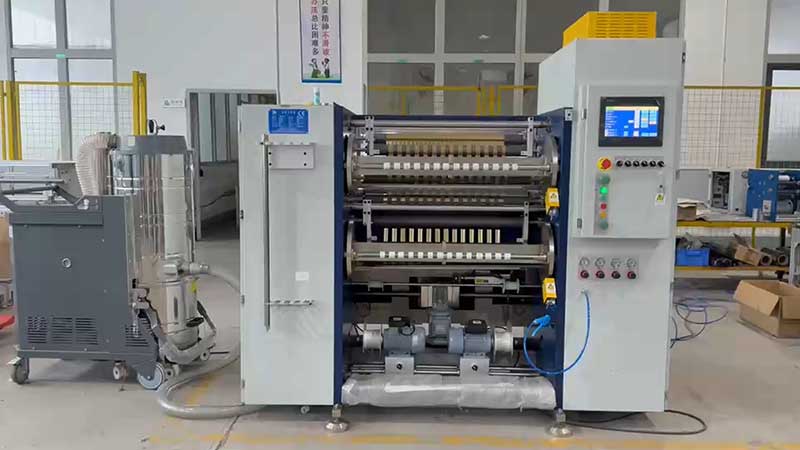
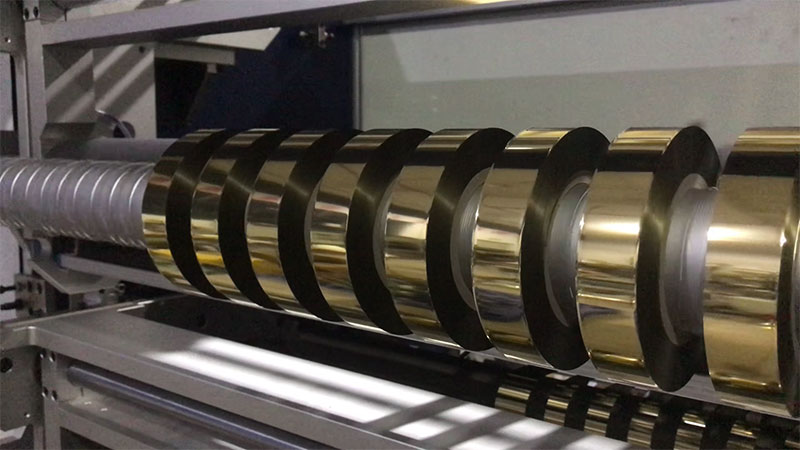
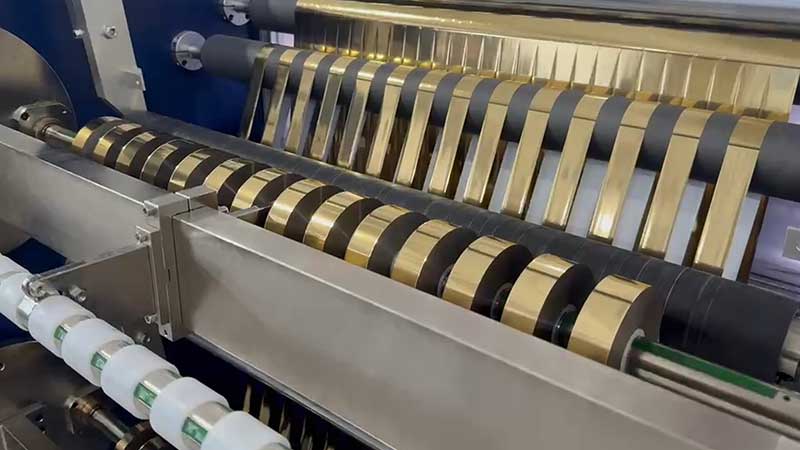
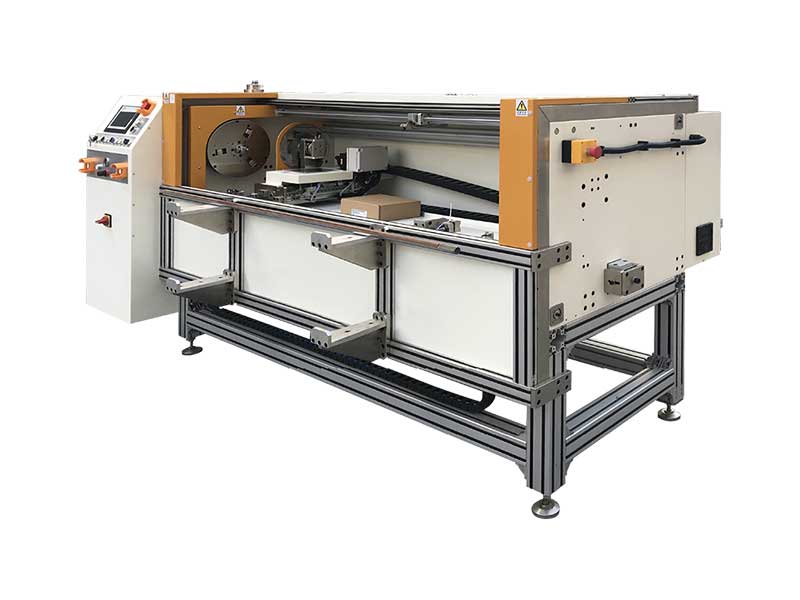 Automatic Foil Roll Cutting Machine
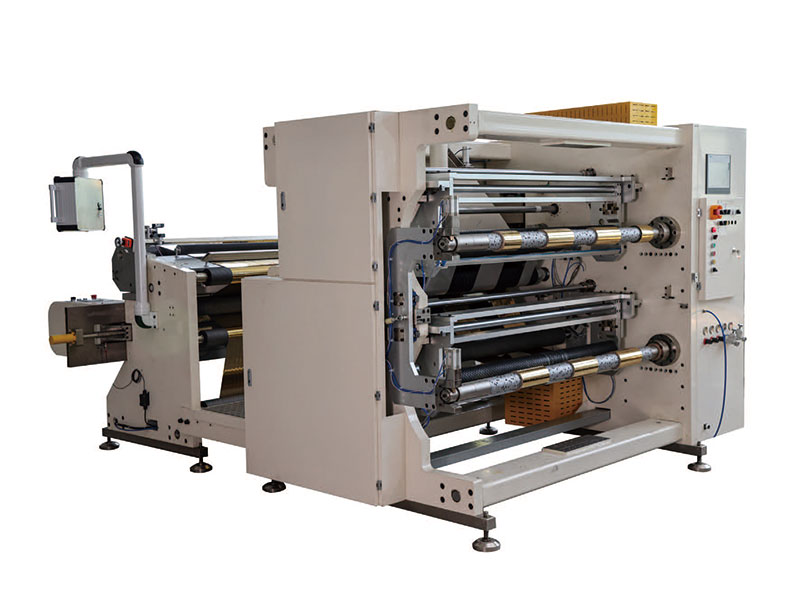 1400mm Hot Stamping Foil Slitting Machine
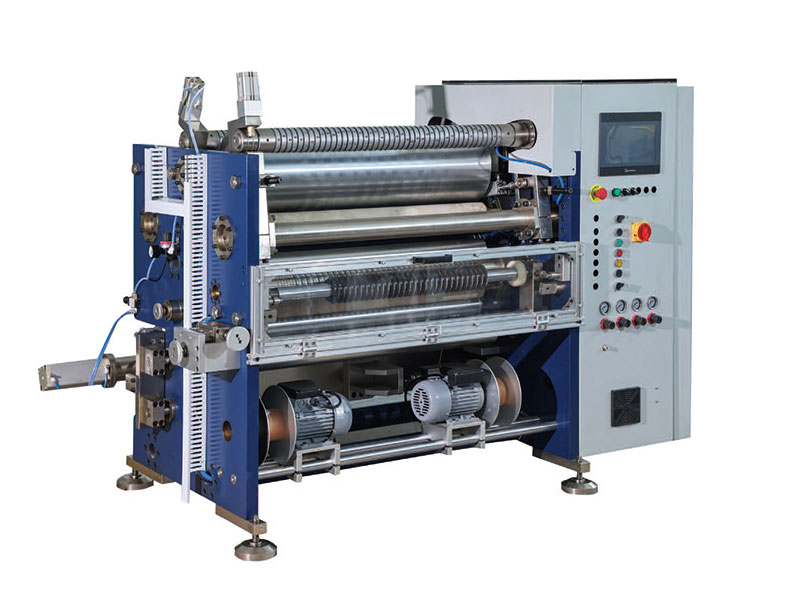 800mm Hot Stamping Foil Slitting Machine
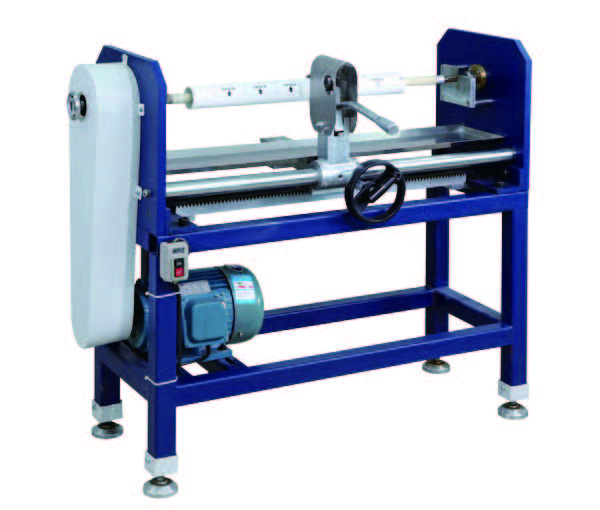 Manual Foil Roll Cutting Machine
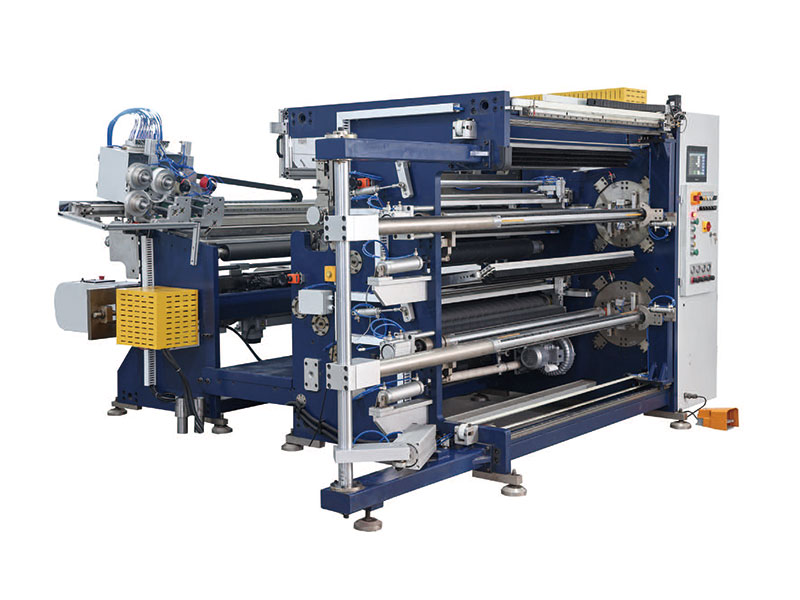 1350mm Hot Stamping Foil Slitting Machine
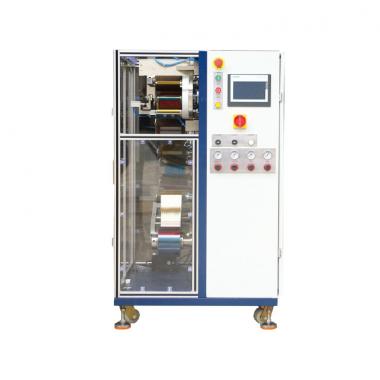 Photo & Card Print Ribbon Rewinding Machine
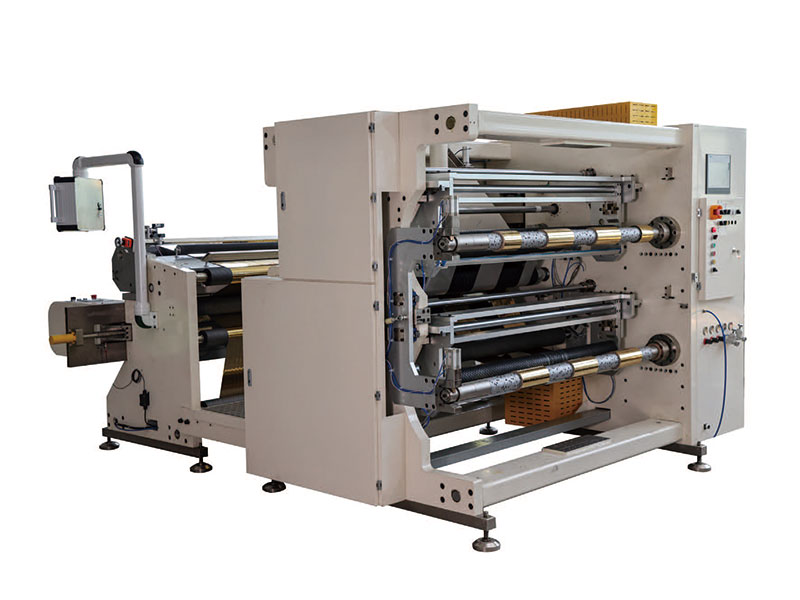 1400mm Copper Foil Slitting Machine
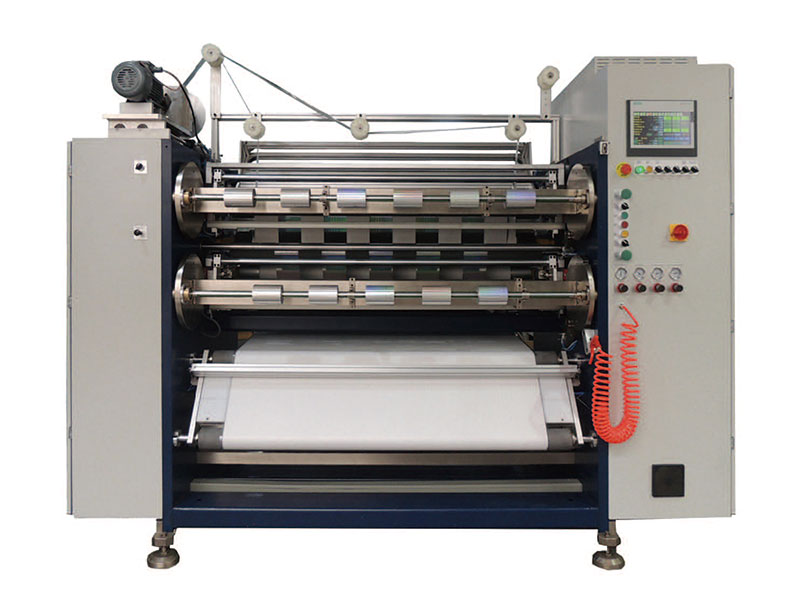 1350mm/1600 Foil Slitting Machine


 +86 135 9951 7291
 support@delishmachine.com