"It's broken again!"
These are probably the three words that make people's blood pressure soar the most in the production workshop recently. Since the newly purchased PET film slitting machine was put into production, "frequent film breaking" has become an indispensable curse. The production department was full of resentment, the equipment department was overwhelmed, and all the spearheads were finally pointed at the purchasing department - you bought the equipment, and now there is a problem, you have to carry this pot.
But as a professional buyer, I want to say: Don't worry, who should carry this pot, we have to break this matter and crush it and talk about it.
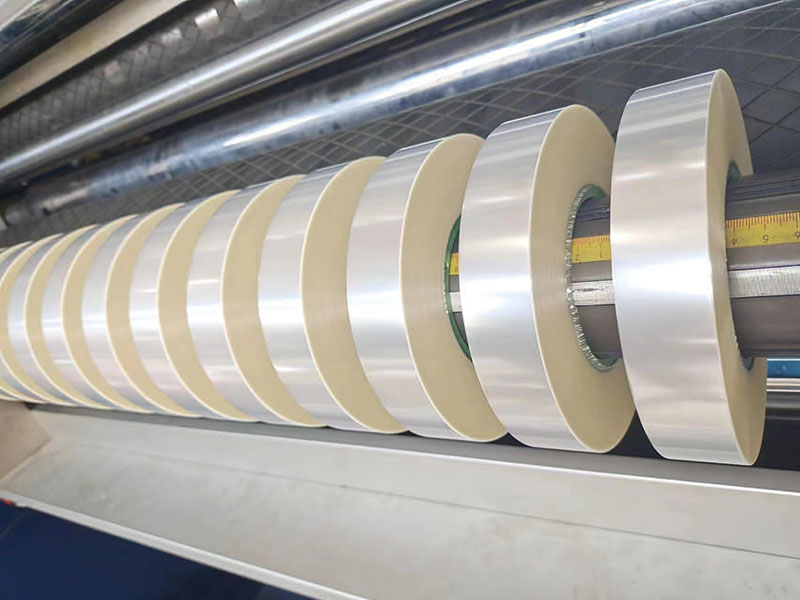
Broken film, how many possibilities are hidden under the surface?
Don't jump to conclusions just yet. PET film slitting machine "frequent film breaking" on the surface is a problem of equipment, but in fact it may involve the following links:
1. Equipment selection and configuration problems (procurement/technical selection of pots)
When purchasing, are the technical parameters clear? Does the tension control system match the actual production needs? Is the response accuracy of the servo motor for unwinding and rewinding sufficient? Does the blade angle and roller material fit your commonly used film specifications?
If the technical department only said "I want a PET slitting machine" when the technical department put forward the demand, but did not explain the film thickness range, width, material hardness, and allowable tension fluctuation range, then the purchase may be a universal configuration - and the universal configuration often means "everything can be done, but nothing is not very good".
2. Installation, commissioning and acceptance problems (equipment/supplier's pot)
After the equipment arrives at the factory, who is responsible for installation and debugging? Have the supplier's technicians come to the site to do sufficient test cutting? Is the acceptance standard clearly written in black and white - "continuous operation for X hours, the number of film breaks does not exceed Y times"?
Many enterprises are in a hurry to put into production, accept the form, and sign when the equipment is installed and can be transferred. As a result, the problem was slowly exposed until it was officially produced. At this time, if you look for a supplier again, they will say "you have accepted it", which can make people angry to the point of internal injury.
3. Raw material film quality problem (production/quality control/supplier's pot)
Is the PET film itself qualified? Is the thickness tolerance large? Are there any dark injuries, crystal points, or excessive static electricity? Is the winding flat?
Sometimes, the problem is not with the slitter at all, but with the upstream film itself. But the first reaction of the production operator is to put the film on the machine, and if it breaks, it will scold the equipment - this is like cutting a deformed wooden board and cutting a strange saw.
4. Operation and maintenance issues (pots in production/equipment departments)
Have the operators received formal training? How often should the blades be changed? Is the pressure of the roller adjusted correctly? Is the transmembrane path correct? Is daily lubrication and cleaning in place?
A sophisticated piece of equipment, handed over to an inexperienced person to adjust randomly, is strange to keep filming. Not to mention that some operators are trouble-free, and the membrane that obviously needs to run at low speed has to be accelerated, which is not surprising.
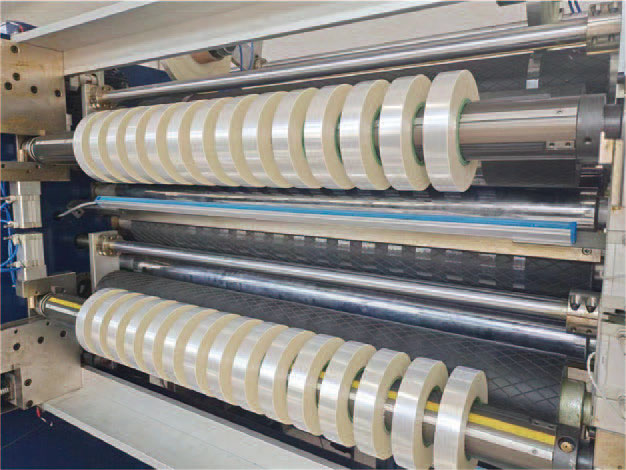
How many "pots" are purchased?
To be fair, procurement is not completely without responsibility.
If the procurement is not fully investigated in the selection stage, only compare the price and not look at the configuration; If the technical agreement and acceptance criteria are not clear in the contract; If the supplier's inspection is only a formality and does not understand its after-sales capabilities and industry reputation - then procurement does have to take part of the blame.
But more often, procurement is the one that is "dumped".
The technical requirements given by the equipment department are vague, the production department is in a hurry to put into production and urge signing, and the company is stuck in the budget and has to buy bargains - when something goes wrong, all departments are surprisingly unanimous: "Whoever buys is responsible." ”
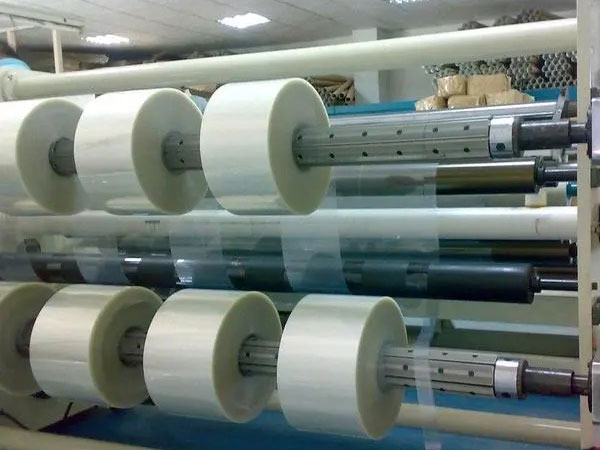
How to break the game?
The most important thing at the moment is not to throw the pot, but to solve the problem. It is recommended to proceed with the following steps:
Step 1: Record factual data immediately
For three consecutive days, the time, position, film specification, running speed, and ambient temperature and humidity of each film break are recorded. Data doesn't lie.
Step 2: Do cross-verification
• Changing the brand of PET film, the same equipment, the same operation, and still intermittent?
• The same roll of film, changed to another old equipment to cut, and still breaks?
• Ask the supplier technician to operate on site for half an hour, and it is still interrupted?
Once these three comparative experiments are done, the root cause of the problem can be reduced by at least half.
Step 3: Review the original procurement process
• Has the technical agreement been signed? Is it complete?
• Has the acceptance been done? Are the standards clear?
• Is there a breakdown clause in the contract?
Step 4: Bring all parties to sit down and talk
Do not hold an "accountability meeting", but an "analysis meeting". The equipment department talks about mechanical logic, the production department talks about the operation details, the quality control department talks about film data, and the purchasing department talks about the original contract agreement and supplier communication. Whoever has reason and evidence, the facts are on whose side.
Epilogue
The pot of "frequent film breaking" is likely not to belong to one person or one department.
But one thing is certain: if every time something goes wrong, everyone's first reaction is "this is the pot of procurement", then this company's procurement will never buy good equipment - because even if you buy it, no one will cooperate with you to use it well.
What really should be taken responsibility is not the procurement link, but the organizational culture of "finding someone to take the blame first, rather than solving the problem first".
As for whose pot is this PET film slitting machine? After the data is finished, the experiment is completed, and all parties sit down to talk clearly, the answer will naturally surface.
Until then, it is recommended that everyone shut up and go to the workshop to see the broken film - there may be the real answer hidden in it.
 English
 Deutsch
 Français
 Español
 Português
 日本語
日本語 русский
 한국어
한국어 عربي
عربي ภาษาไทย
 Tiếng Việt
 Italiano
 New Energy Ultra-thin Film Slitting Machine For Capacitive Film
 1400mm Hot Stamping Foil Slitting Machine
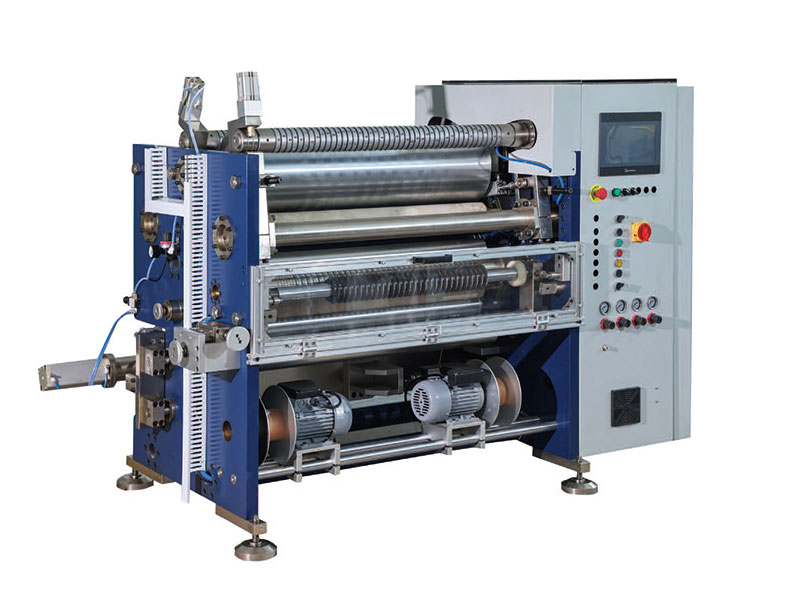 800mm Hot Stamping Foil Slitting Machine
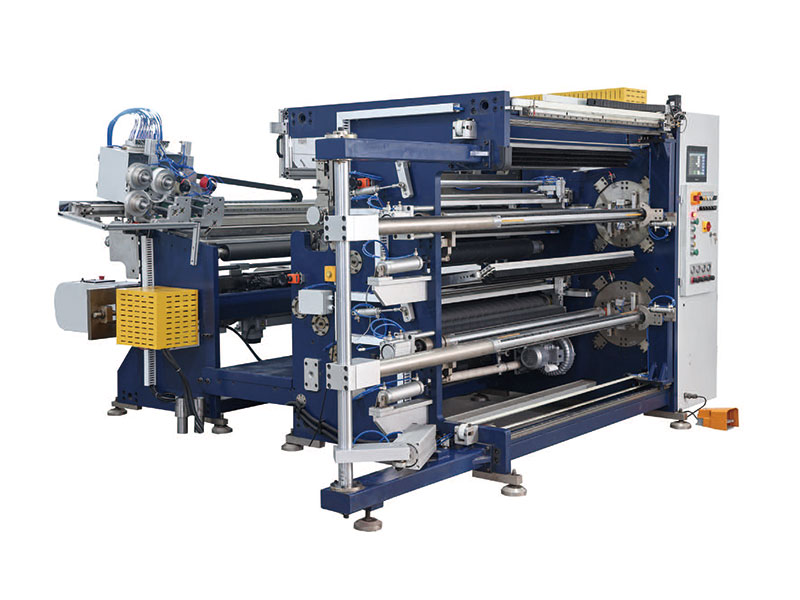 1350mm Hot Stamping Foil Slitting Machine
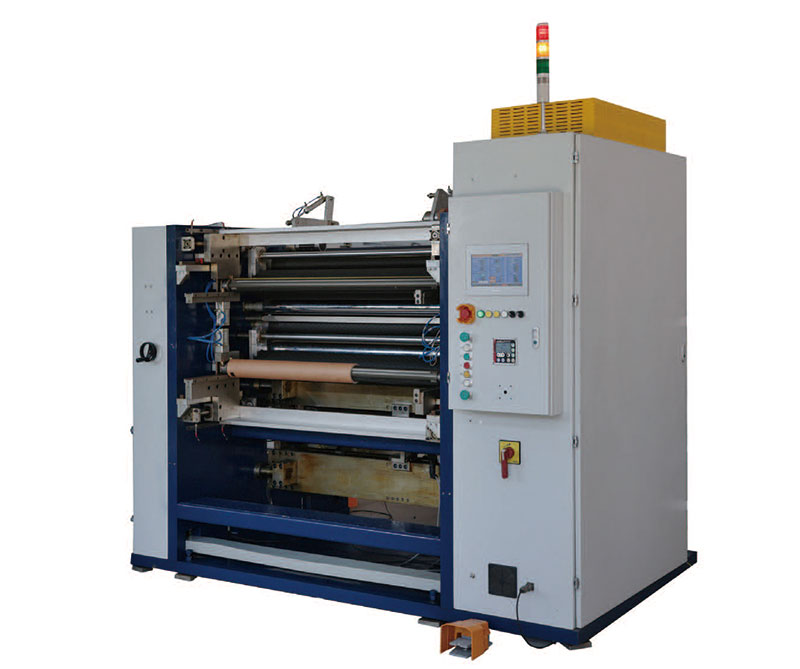 New Energy Ultra-thin Film Slitting Machine For MOPP
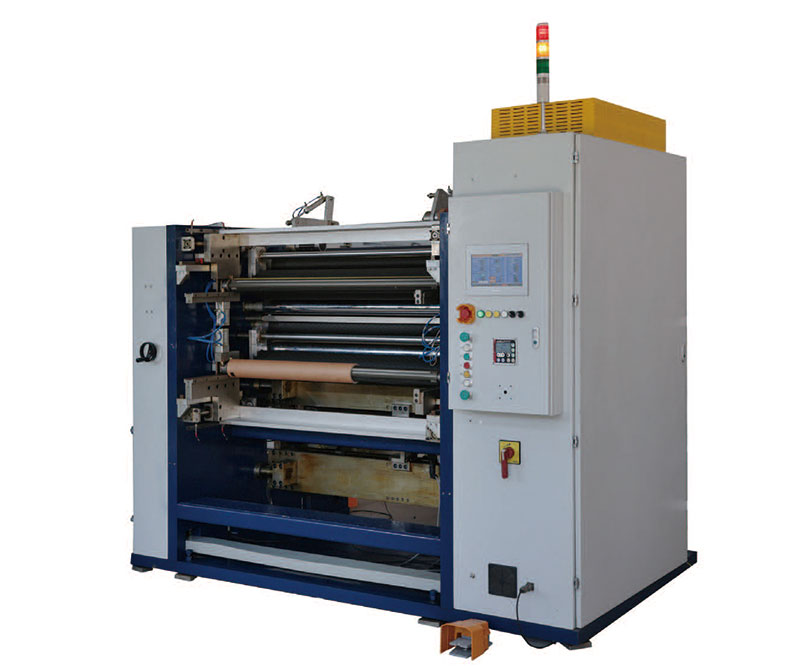 New Energy Ultra-thin Film Slitting Machine For MPET
 Film Slitting Machine
 1400mm Copper Foil Slitting Machine


 +86 135 9951 7291
 support@delishmachine.com