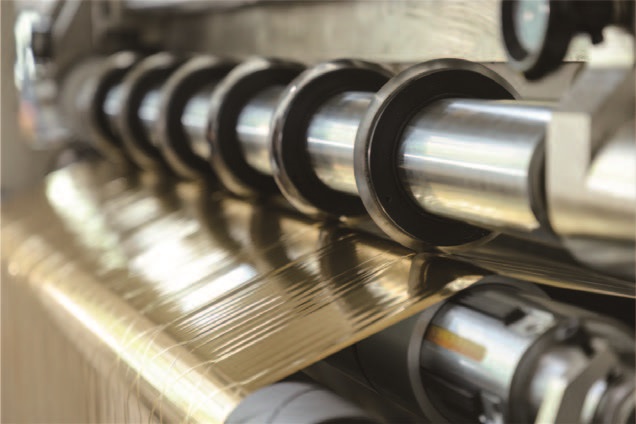
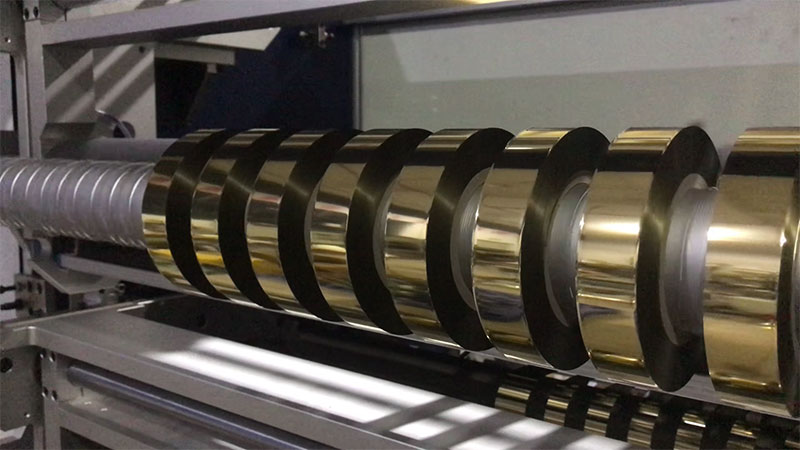
In the production and slitting process of hot stamping foil, static electricity issues have always been a key factor affecting product quality. Especially in the high-precision and high-efficiency slitting process, the accumulation of static electricity not only affects the safety of operation, but also directly leads to oxidation and blackening of the hot stamping layer, thereby reducing the hot stamping effect and affecting the appearance of the product. Therefore, static elimination around the hot stamping foil slitting machine is the core measure to ensure the quality of hot stamping foil and improve the stability of the hot stamping process.
1. The causes of static electricity and its impact on the hot stamping layer
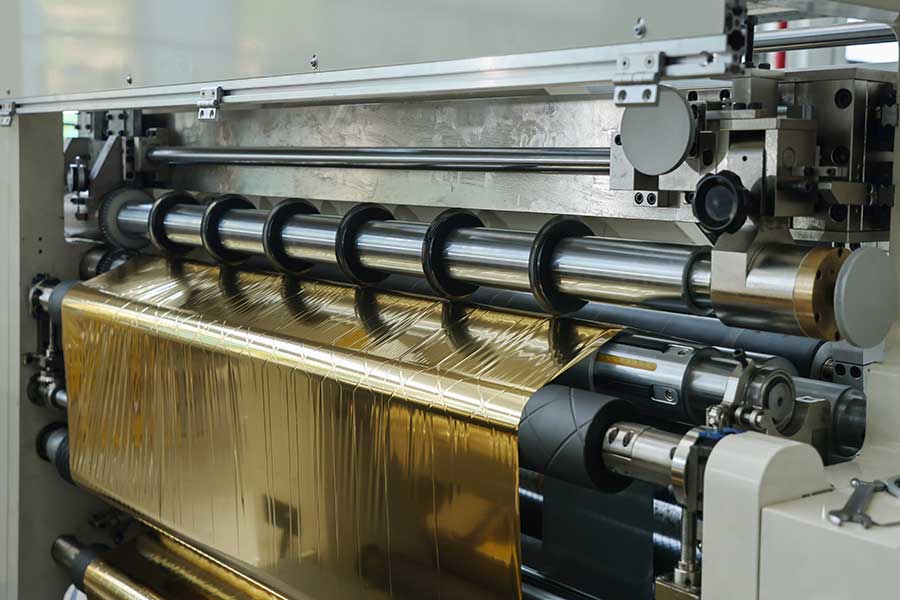
Foil stamping foil is mainly composed of PET film carrier layer, release layer, coloring layer, aluminum plating layer and hot melt adhesive layer. During the slitting process, the high-speed friction between the foil and the slitting knife, guide rollers and other components causes electrical charges to accumulate on the surface of the foil and form static electricity.
The main hazards caused by these static electricity include:
1. Adsorption of dust: Static electricity causes the surface of the hot stamping foil to adsorb tiny particles in the air, affecting the subsequent hot stamping effect.
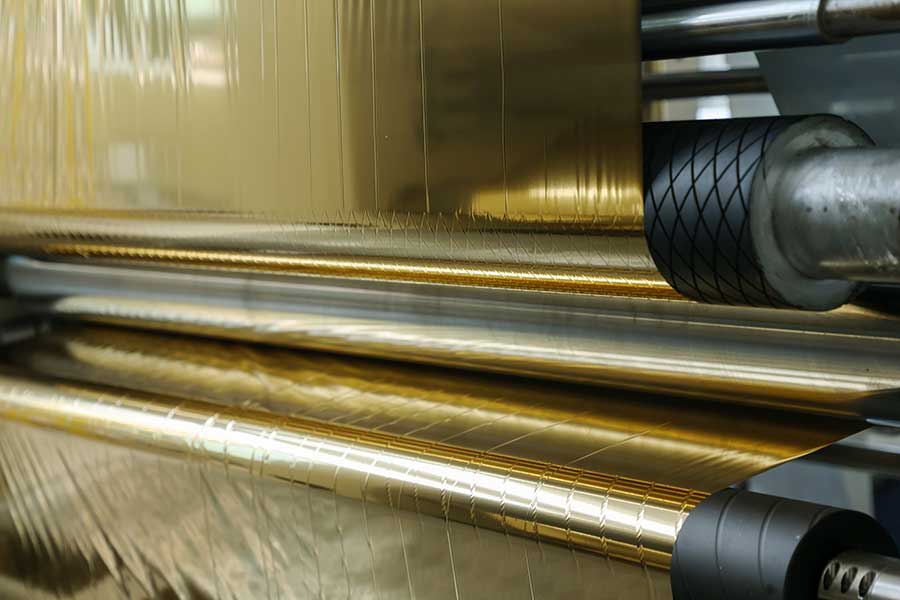
2. Discharge damage: High-voltage electrostatic charges generate corona discharge or spark discharge in the slitting area, and instantaneous high temperature may burn the hot stamping layer, leading to local oxidation and black spots or dark lines.
3. Induce oxidation reactions: Even weak electrical discharge may prompt oxidation reactions in the aluminum plating layer or pigment layer, especially in humid and hot environments, the oxidation blackening rate accelerates, seriously affecting the gloss and adhesion of hot stamping.
2. The main mechanism of oxidation and blackening of the bronzing layer
The aluminum plating layer and coloring layer on the surface of hot stamping foil are more sensitive to oxidation reactions. Micro-discharge under the action of electrostatic field will provide local high energy, reduce the surface activation energy of aluminum molecules or organic pigment molecules, accelerate the reaction with oxygen and moisture, and produce alumina or other dark compounds. In addition, active substances such as ozone and nitrogen oxides caused by electrostatic fields will also accelerate the chemical degradation of the hot stamping layer, leading to blackening.
3. Mainstream technical solutions for static electricity elimination
For the static problem of hot stamping foil slitting machine, the current mainstream solutions include the following categories:
1. Active Static Eliminator (Ionization Rod)
• Principle: Generate positive and negative ions through a high-voltage power supply to neutralize the electrostatic charge on the surface of the foil.
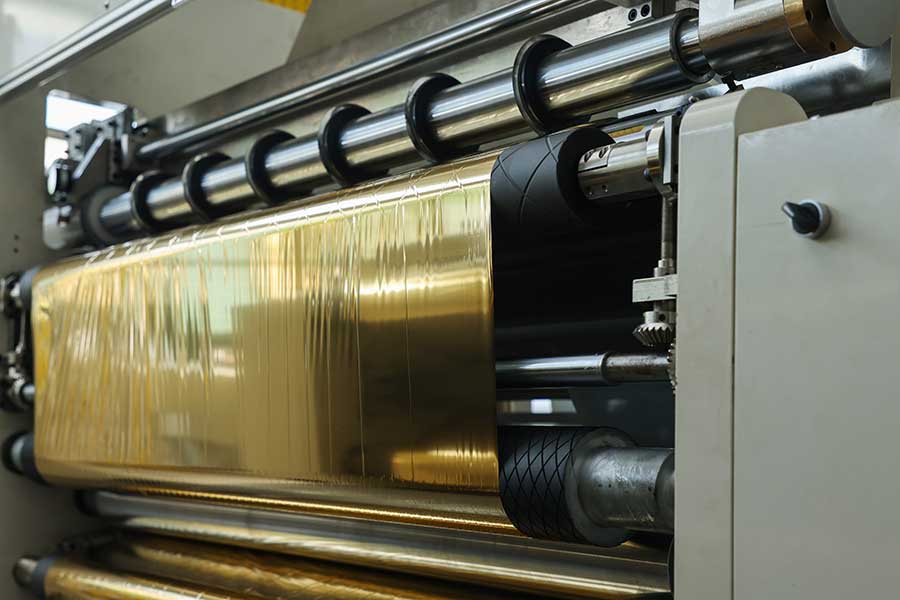
• Application method: Install ionization rods near the inlet, outlet and tool shaft of the slitting machine to make them act evenly on the foil.
• Advantages: fast response, continuous work, no contact, no damage to the foil surface.
• Note: The ionization needle needs to be cleaned regularly to avoid contamination affecting the effect.
2. Contact static elimination brush
• Principle: Use carbon fiber or metal filament brushes to contact the edge of the foil to conduct static electricity.
• Advantages: simple structure and low cost.
• Disadvantages: It may scratch the bronzing surface and is not suitable for high-speed and high-tension occasions.
3. Humidity control system
• Principle: Increase the humidity in the workshop (such as controlling at 50%~60%RH), reduce the surface resistance of the foil, and make the static electricity leak naturally.
• Applicability: As an adjunct, it works better with other methods.
4. Conductive roller and grounding system
• Principle: The guide roller of the slitting machine is made of conductive material and reliably grounded, so that the foil releases static electricity when it comes into contact with the guide roller.
• Advantages: Structural integration, no additional equipment required.
• Limitations: Limited effectiveness for non-contact parts or foils with thicker insulation.
4. Optimization strategies in practical applications
In the actual production of hot stamping foil slitting, the best practice is to combine several methods and optimize the process parameters:
• Layout optimization: ionization rods are arranged in front and behind the slitting knife group to ensure that static electricity is eliminated in time when the foil enters and leaves the cutting area.
• Speed matching: Adjust the output intensity of the ionization rod according to the slitting speed, and appropriately enhance the ion flow density at high speeds.
• Cleaning and Maintenance: Regularly clean ionization rod electrodes and check ground loops to prevent loss of static electricity due to contamination or poor contact.
• Real-time monitoring: Introduce an electrostatic detector to dynamically monitor the surface potential of the foil and automatically adjust the working state of the eliminator through the linkage controller.
5. Comparison of case verification and effect
The comparative experimental data before and after the introduction of the electrostatic elimination system in a hot stamping foil manufacturing enterprise shows that
• Defective blackening rate: reduced from 3.7% to less than 0.3%.
• Electrostatic potential: from ± 15kV to ± to within 0.5kV.
• Hot stamping gloss: increased by more than 18%, and the product qualification rate was significantly improved.
• Number of equipment downtime cleaning: 60% less frequent cleaning due to reduced dust adsorption.
6. Conclusion
The problem of static electricity in the process of hot foil slitting cannot be ignored. It not only affects production safety and efficiency, but is also directly related to whether the hot stamping layer is oxidized and blackened, which in turn affects the quality of the entire hot stamping product. Selecting a suitable static elimination system, combined with scientific production management and maintenance system, is the key means to improve the quality of hot stamping foil and ensure the stability of the hot stamping effect. For hot stamping processing enterprises, anti-static is not only a technical problem, but also one of the quality management strategies to enhance competitiveness.
 English
 Deutsch
 Français
 Español
 Português
 日本語
日本語 русский
 한국어
한국어 عربي
عربي ภาษาไทย
 Tiếng Việt
 Italiano
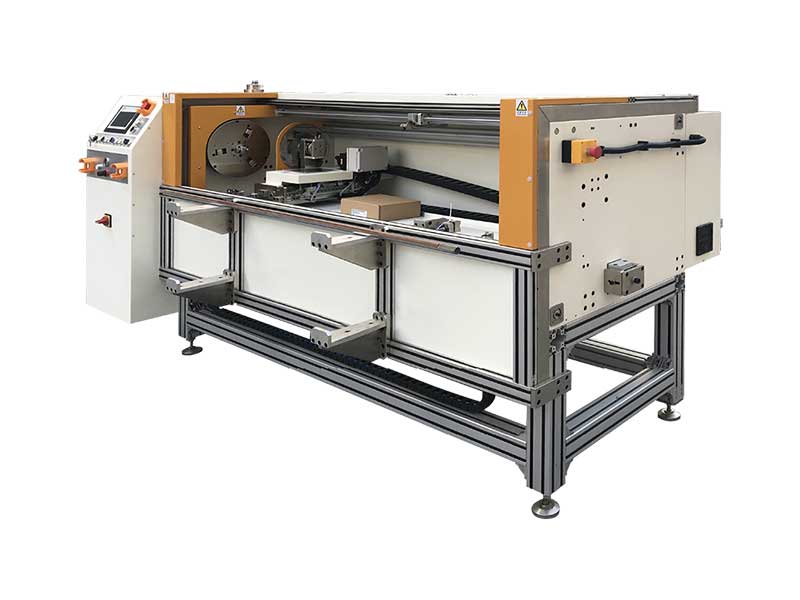 Automatic Foil Roll Cutting Machine
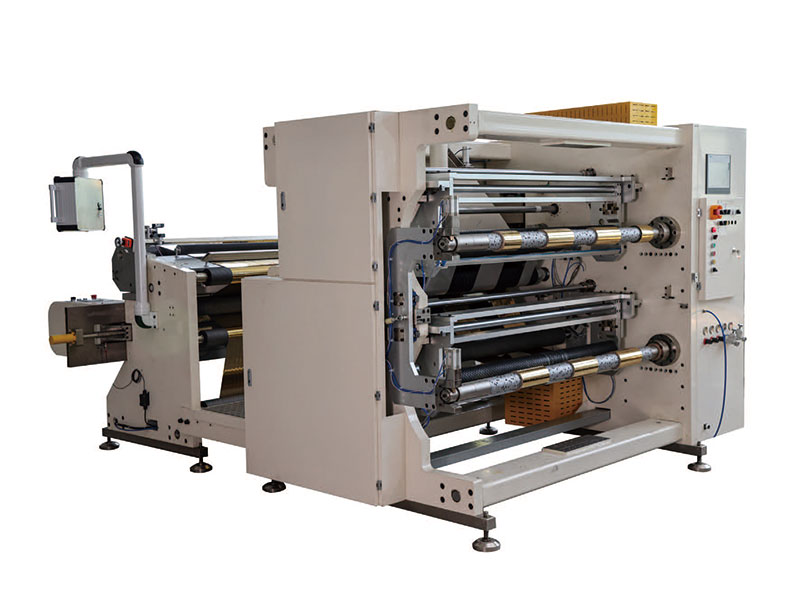 1400mm Hot Stamping Foil Slitting Machine
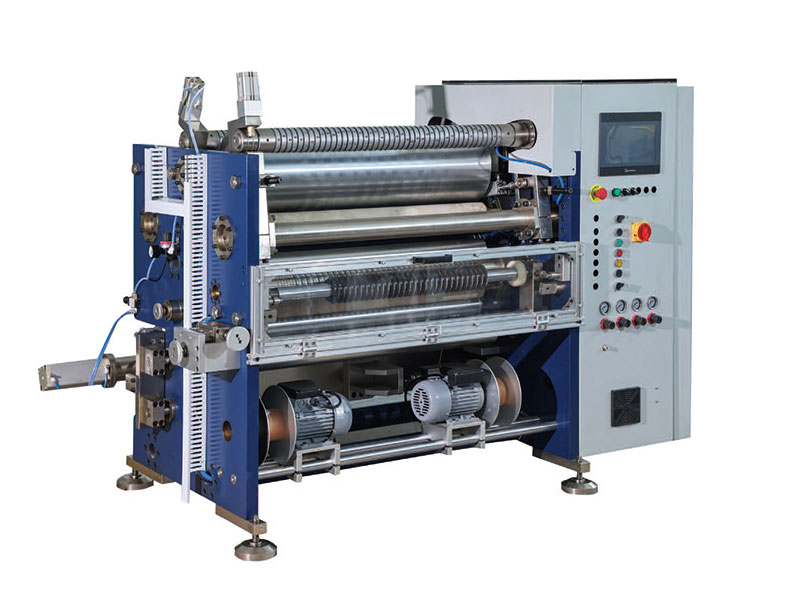 800mm Hot Stamping Foil Slitting Machine
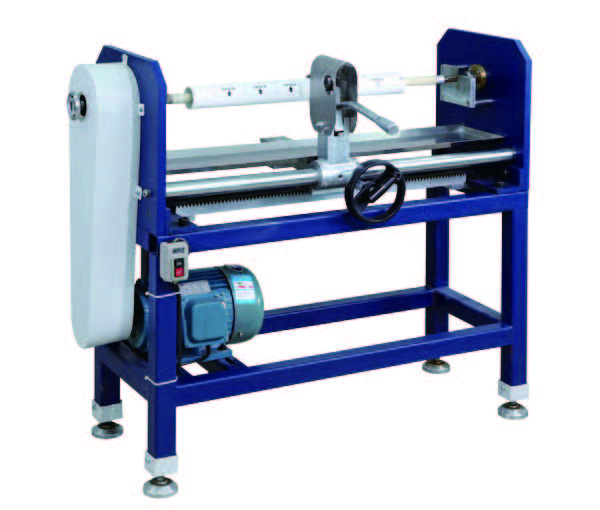 Manual Foil Roll Cutting Machine
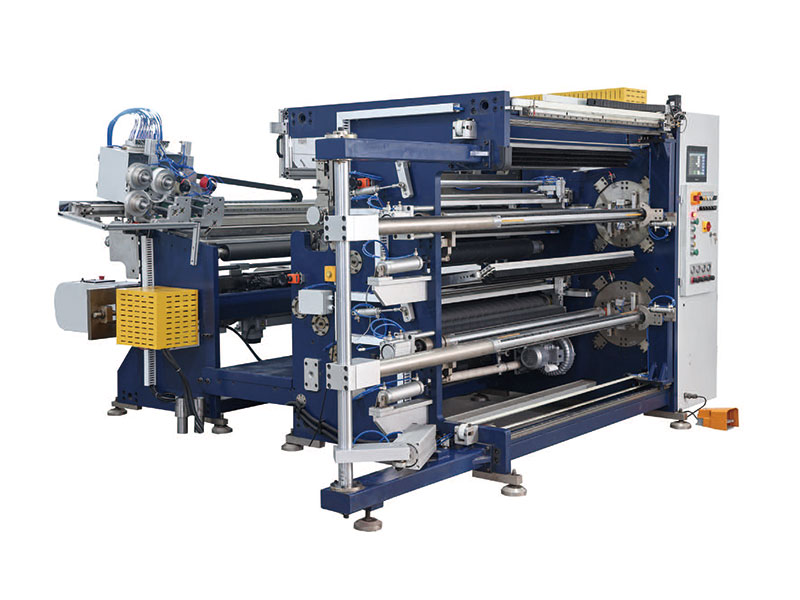 1350mm Hot Stamping Foil Slitting Machine
 Photo & Card Print Ribbon Rewinding Machine
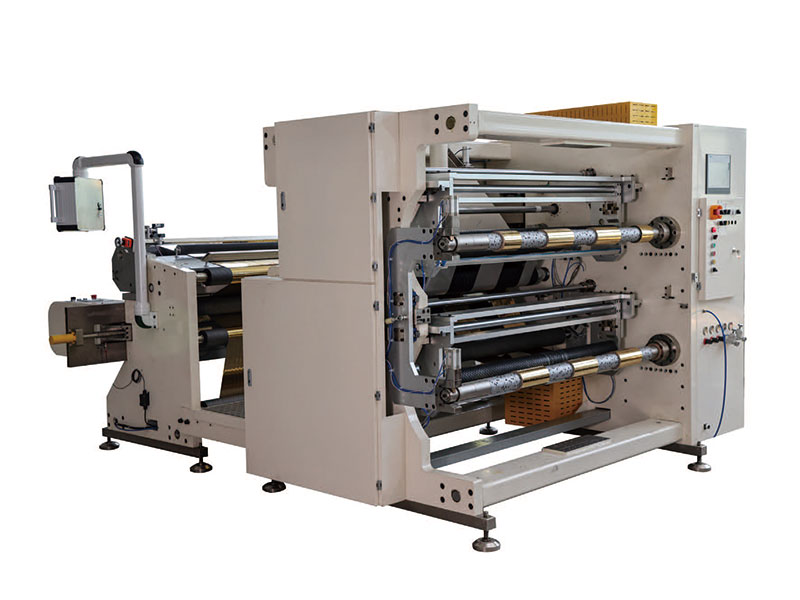 1400mm Copper Foil Slitting Machine
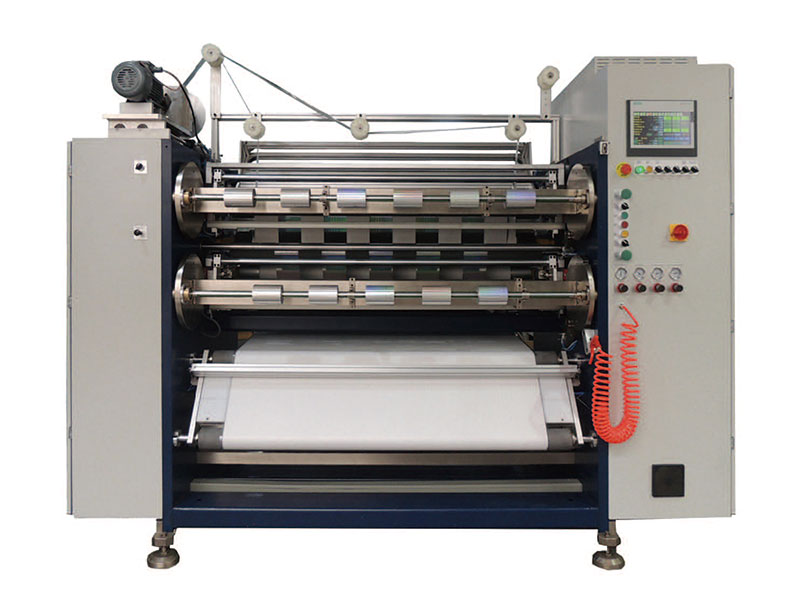 1350mm/1600 Foil Slitting Machine


 +86 135 9951 7291
 support@delishmachine.com