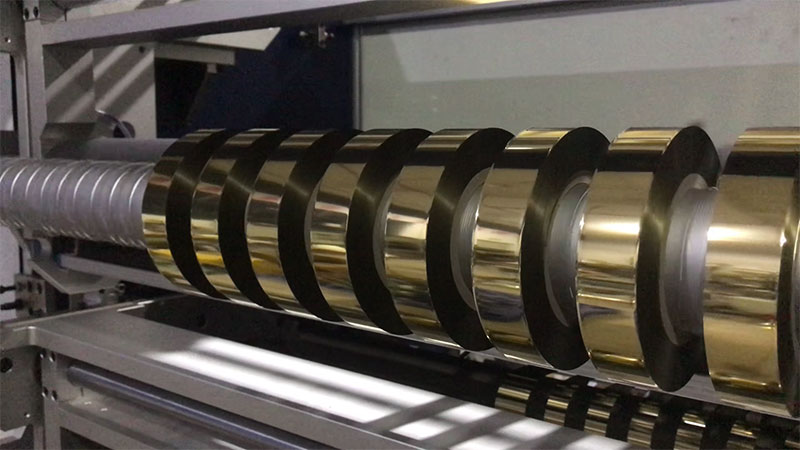
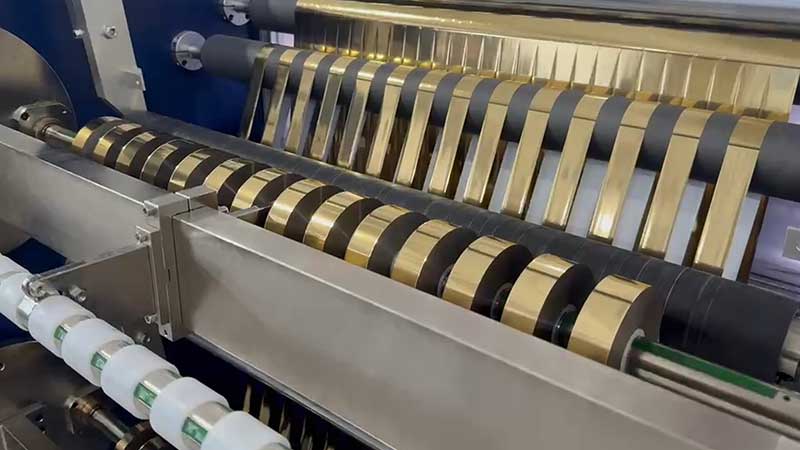
In the process of slitting foil stamping, foil breakage is one of the most common and headache problems. Frequent foil breakage not only leads to material waste, reduced production efficiency, but can also damage the tool die and machine components. Many operators often consider changing the foil brand or adjusting the tension first, but in fact, the blade angle and air pressure setting are the core variables that affect the frequency of foil breakage.
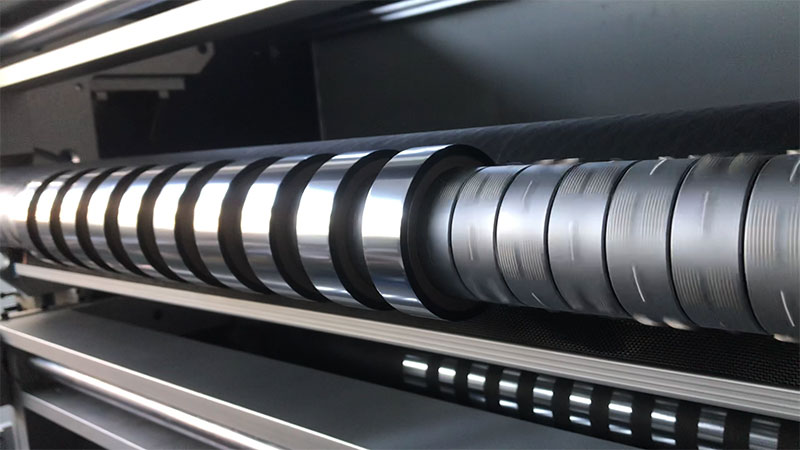
1. Why does the blade angle cause foil breakage?
Foil stamping usually consists of multiple layers: PET base film, release layer, coloring layer and metal plating (e.g. aluminum). The overall thickness is extremely thin (typically between 12–50μm) and has limited tensile strength. When slitting, the way the blade cuts into the foil directly affects the quality of the cut and the stress distribution at the edge of the foil belt.
• Blunt blade: Requires greater cutting pressure, prone to tear-like cuts at the edge of the foil, leading to micro-crack propagation and eventually foil breakage.
• Too small blade angle (too sharp): Although the cutting resistance is small, the blade is easy to embed the foil and produce a "digging" effect, causing the foil to be overcut or burrs, and fracture will occur when the subsequent tension fluctuates.
• Excessive blade angle: The blade becomes dull, and the slitting is actually "crushed and torn" rather than "sheared", resulting in jagged damage at the edge of the foil and a significant decrease in tensile strength.
Recommended solution: For common electrochemical aluminum hot stamping foil with a thickness of 12–25μm, the blade angle should be controlled between 35°–45° (double-sided or single-sided edge depending on the slitting method). Thinner foils (<15 μm) can be appropriately reduced to 30°–35°, and thicker or thickened foils (>40 μm) can be increased to 45°–50°. At the same time, keep the cutting edge free of chips and coiled edges, and check the edge status every shift.
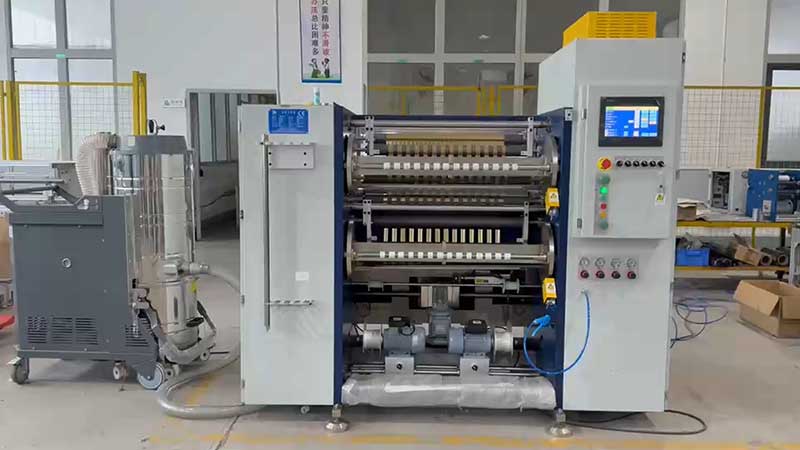
2. How do air pressure parameters affect slitting stability?
Slitting machines usually use a pneumatic pressing device or pneumatic tool holder, and the air pressure directly determines:
1. The contact pressure between the knife roller and the bottom roller
2. The pressing force of the foil pressing wheel
3. Tension stability of the pneumatic tensioning mechanism
Common barometric pressure misunderstandings
• Excessive air pressure: If the knife roller and bottom roller are pressed too tightly, the foil will be "flattened" or even indented, and the blade will cut too deeply, which can easily cause longitudinal tearing. When the pressure of the foil pressing wheel is too high, it will also cause the foil to wrinkle laterally or deform tensile.
• Low air pressure: Insufficient pressure between the blade and the foil, sliding cuts or incomplete cutting, and pulling fractures occur when the foil is separated. At the same time, the foil pressing wheel is not tight, and the foil belt shakes during slitting, increasing the risk of foil breakage.
Optimization steps
1. Refer to the recommended values in the equipment manual: Most slitting machines have a recommended air pressure range of 0.2–0.5 MPa, but they need to be fine-tuned according to the actual foil specifications.
2. Step by step test from low to high: first set 0.2 MPa, try to cut a section, and observe whether the edge of the incision is smooth, free of burrs, and no indentations. If there is no cut or whitish edges (overstretching), increase by 0.05 MPa each time until the incision is clean and there are no visible indentations.
3. Check the independent adjustment of the foil pressing wheel pressure: If the equipment supports it, the foil pressing wheel pressure should be 0.05–0.1 MPa lower than the tool holder air pressure to avoid over-pressing the foil.
4. Real-time monitoring of air pressure stability: The presence of water and oil or leakage in the air circuit can lead to pressure fluctuations, so it is recommended to install pressure regulator valves and precision filters to ensure that the pressure change is ≤ ± 0.01 MPa during the slitting process.
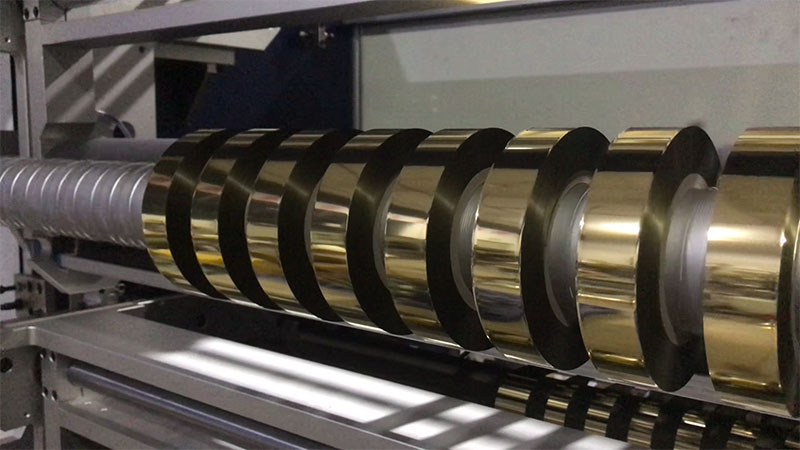
3. The coordinated adjustment logic of blade angle and air pressure
The two are not isolated parameters, but mutually influencing systems:
| phenomenon | Possible causes | Adjust the direction |
| There are many burrs on the edges, and occasionally the foil breaks | The blade angle is large + the air pressure is low | Reduce the blade angle (sharpening) while slightly increasing the air pressure |
| The edges of the incision are whitish, the indentation is deep, and the fracture is neat | The air pressure is too high + the blade angle is suitable | Individually reduce the air pressure to keep the blade unchanged |
| The incision is torn and the fracture is irregular | Blade passivation (the angle is actually too large) | Resharpen the knife to the recommended angle and check that the air pressure is normal |
| A piece of foil is partially dug out, and holes appear | The blade angle is too small (too sharp) | Increase the angle of the blade, appropriately reduce the air pressure and reduce the depth of cut |
It is recommended to adjust only one variable at a time, record the number of foil breaks after 500–1000 meters of slitting, and continue to optimize.
4. Other auxiliary investigation items
If the foil breakage does not improve significantly after optimizing the blade angle and air pressure, check:
• Cutter shaft parallelism: The non-parallelism between the knife roller and the bottom roller will lead to excessive local pressure, calibrate with a feeler gauge or laser centering instrument, and the parallelism should be ≤ 0.02mm/m.
• Surface condition of the bottom roller: The rubber bottom roller is aged, dented or adhered to residual glue, which will cause uneven pressure. Regular grinding or replacement is recommended.
• Foil problems: Moisture, excessive static electricity, or excessive thickness tolerances (e.g., deviation of more than ±5%) can also induce foil breakage, which can be solved with static elimination sticks and constant temperature and humidity storage.
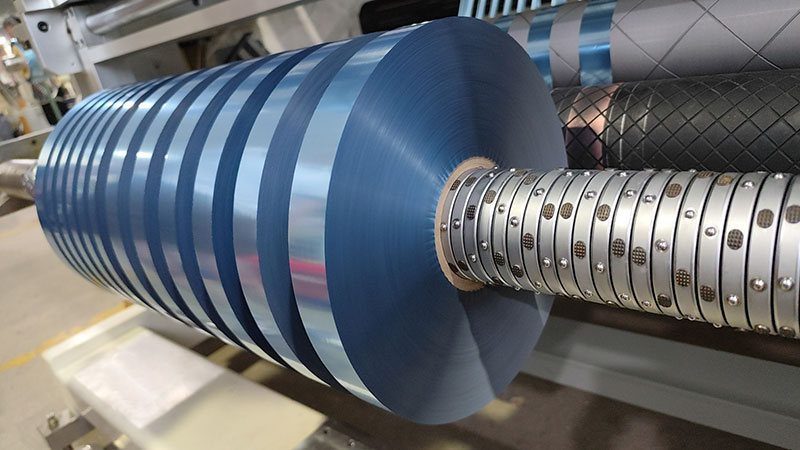
5. Quick fault handling card (can be affixed next to the machine)
| Foil breaking characteristics | Priority inspection | Fast action |
| The break is neat, and the edges are free of burrs | Whether the air pressure fluctuates | Check the air circuit regulation and filter |
| The fracture is jagged or torn | Whether the blade becomes dull | Replace or sharpen the blades |
| There are indentations or whitishness near the incision | Air pressure is too high | Try cutting 0.05MPa each time |
| The foil band breaks after lateral shaking | Insufficient pressure on the foil pressing wheel | Increase the air pressure of the foil pressing wheel to 0.15–0.25MPa |
| Locally dug holes | The blade angle is too small | Increase the cutting edge angle to more than 40° | |
Epilogue
In most cases, the problem of foil breakage in hot stamping foil slitting is not a mysterious problem, but the blade angle and air pressure parameters do not match optimally. Optimizing these two core variables first often significantly reduces foil breakage frequency at zero or very low cost. Remember: sharp but not sharp, pressed but not tight, is the golden rule of slitting hot stamping foil.
If you have tried the above methods and still do not work, please provide specific foil model, thickness, slitting speed and foil breaking photos to further assist in analysis.
 English
 Deutsch
 Français
 Español
 Português
 日本語
日本語 русский
 한국어
한국어 عربي
عربي ภาษาไทย
 Tiếng Việt
 Italiano
 Automatic Foil Roll Cutting Machine
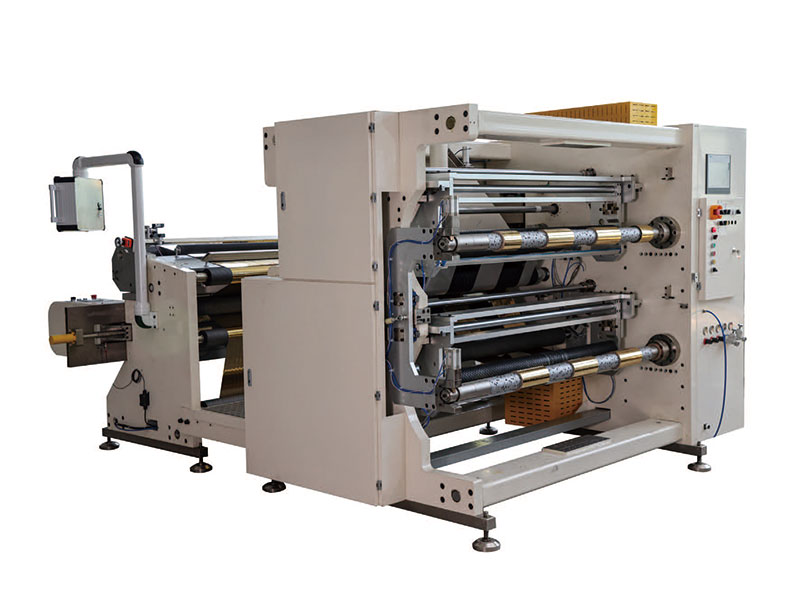 1400mm Hot Stamping Foil Slitting Machine
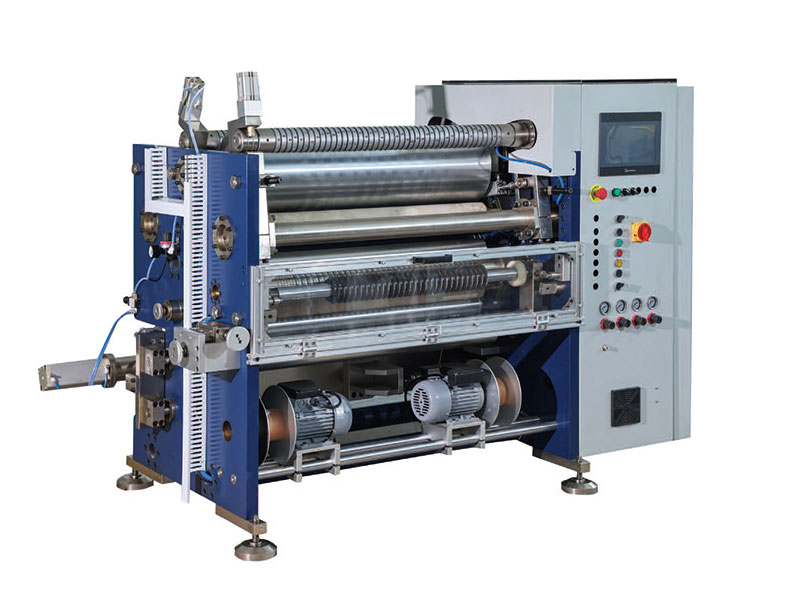 800mm Hot Stamping Foil Slitting Machine
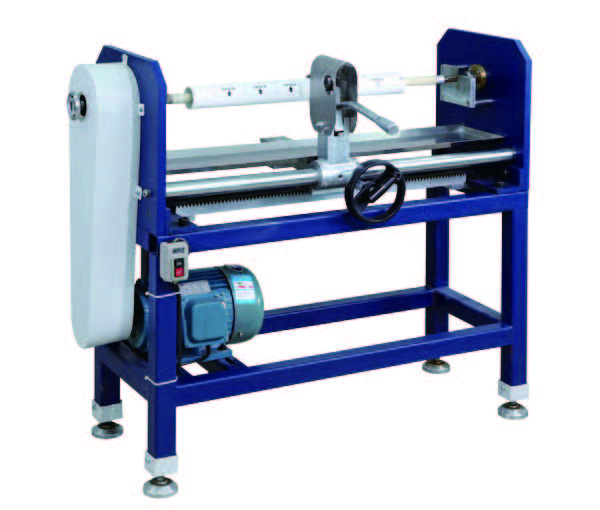 Manual Foil Roll Cutting Machine
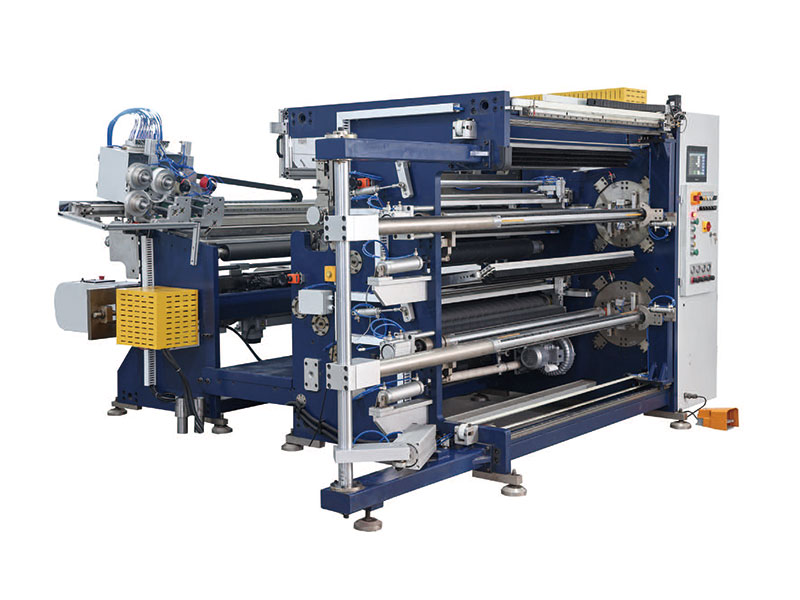 1350mm Hot Stamping Foil Slitting Machine
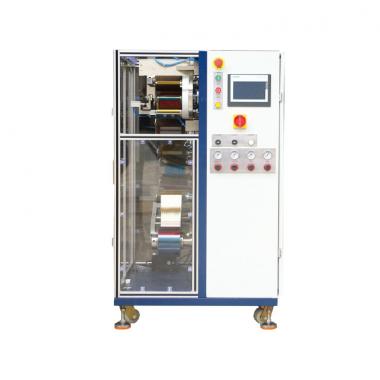 Photo & Card Print Ribbon Rewinding Machine
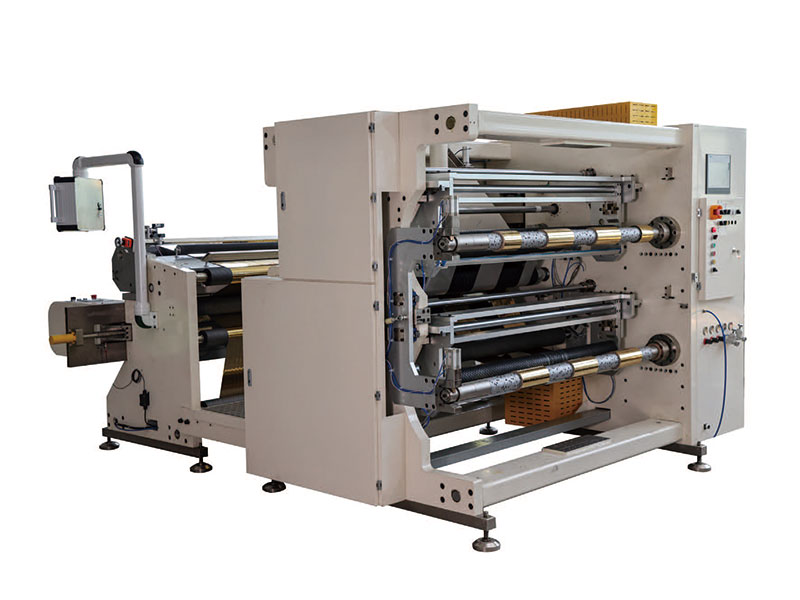 1400mm Copper Foil Slitting Machine
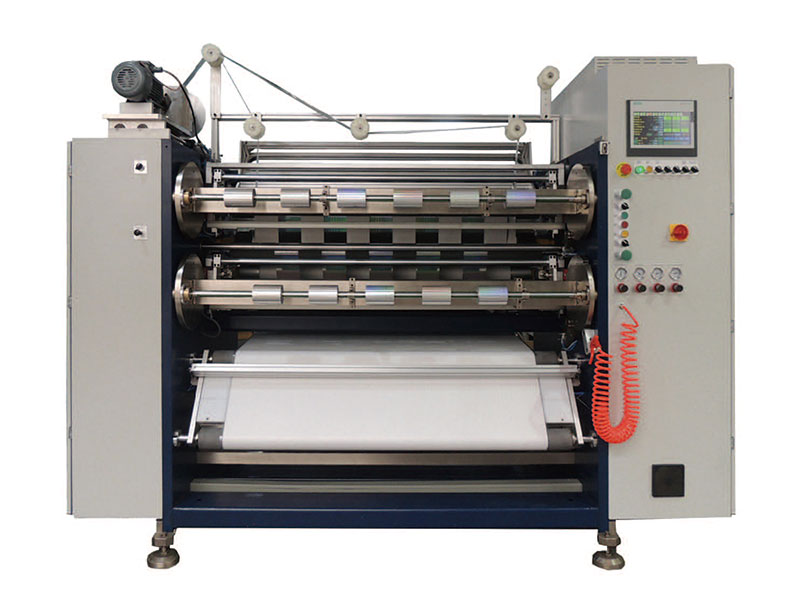 1350mm/1600 Foil Slitting Machine


 +86 135 9951 7291
 support@delishmachine.com