In the modern packaging, printing and decoration industry, the foil stamping process, with its unique luster and luxurious texture, has become a key technology to enhance the added value of products. However, with the diversification of market demand, from traditional paper to plastic film, textiles and even leather, the application of special materials such as plastic film, textiles and even leather is becoming more and more widespread. This article will explore how to achieve high adaptability of hot stamping foil slitting machines to special materials through technological innovation and system optimization.
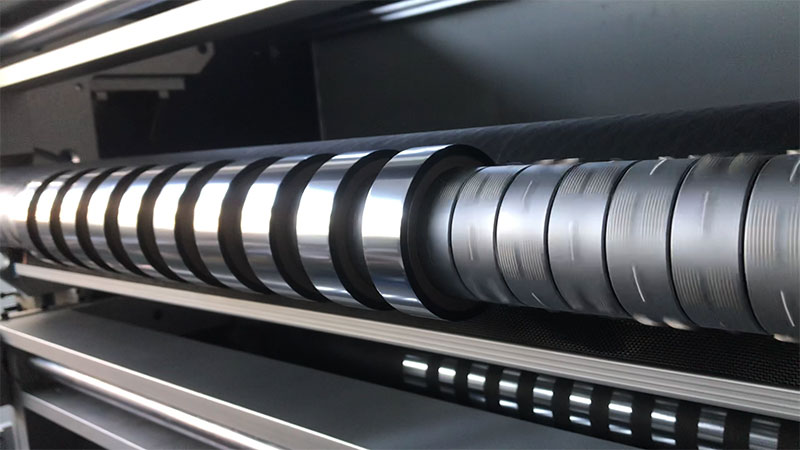
Challenges posed by special materials
Special materials such as ultra-thin PET film, elastic fabric, composite metal foil, etc., have significant physical properties that are significantly different from traditional paper:
• Differences in ductility and toughness: Elastic materials are prone to stretching and deformation during slitting, leading to pattern misalignment
• Uneven thickness and hardness: The surface of the special-shaped material is uneven, which affects the stability of slitting
• Heat sensitivity: Some synthetic materials are sensitive to temperature, and traditional hot press slitting can easily cause material damage
• Static Electricity Accumulation: Plastic materials are prone to static electricity, leading to adsorption and adhesion of the foil film
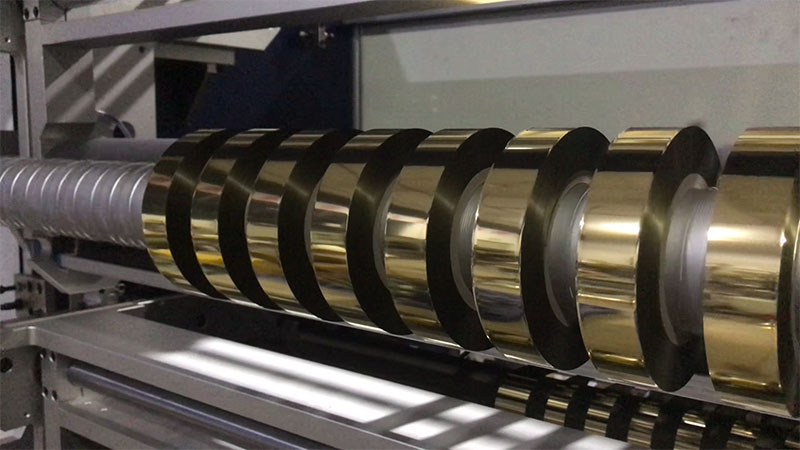
Key technologies for adaptive solutions
1. Intelligent sensing and adaptive control system
The new generation of slitting machines integrates high-precision optical sensors and pressure feedback systems to detect material properties in real time and automatically adjust parameters:
• Through the laser thickness measurement system, real-time monitoring of material thickness changes and automatic adjustment of knife pressure
• Closed-loop tension control is adopted, and the unwinding and unwinding tension is dynamically adjusted according to the elastic modulus of the material
• Integrated machine vision system to identify material defects and automatically mark and eliminate abnormal areas
2. Innovation of special tools and cutting technology
• Low-temperature plasma cutting technology: For heat-sensitive materials, low-temperature plasma cutting is used to avoid thermal damage
• Ultrasonic cutting system: For elastic textile substrates, high-frequency vibration cutting is used with neat edges without stretching
• Laser precision cutting module: suitable for brittle materials such as ultra-thin metal foils, achieving contactless cutting with micron-level accuracy
• Multi-head quick switching system: equipped with different cutter heads to automatically select the optimal cutting scheme according to the material characteristics
3. Environmental control system
• Precise temperature and humidity control: For hygroscopic materials (such as some textiles), maintain a constant temperature and humidity environment
• Static Elimination System: Integrated ion air rod and static eliminator to prevent static electricity adsorption of plastic materials
• Dust Removal and Purification Module: Keep the cutting area clean to prevent particles from affecting the slitting quality of ultra-thin materials
4. Data-driven and intelligent optimization
• Establish a "Material-Parameter" database to record the optimal slitting parameters for each special material
• Artificial intelligence algorithms are used to automatically optimize the combination of parameters based on real-time slitting effects
• Realize remote diagnosis and parameter sharing to improve problem solving efficiency
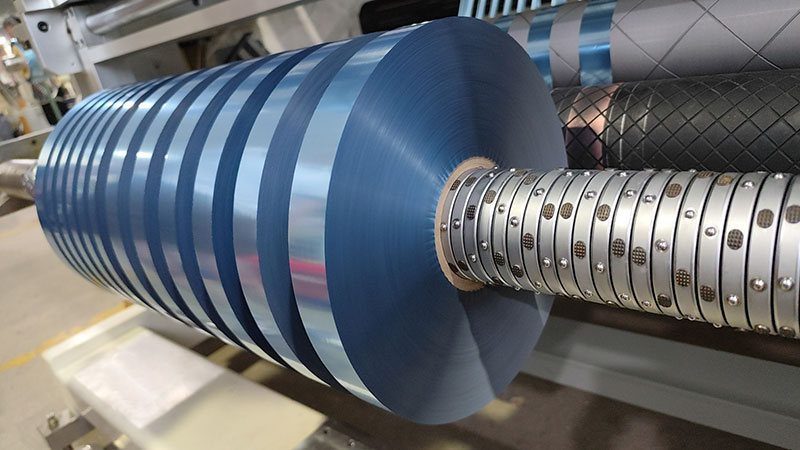
Practical case: adaptive transformation of multi-material mixing production line
In the face of the increasingly diverse material needs of customers, a high-end packaging company has adapted its hot stamping foil slitting machine. Retrofit equipment:
1. Capable of processing seven different materials from 0.01mm ultra-thin PET film to 0.5mm leather in the same production batch
2. The slitting accuracy is increased to ±0.05mm, which is 30% better than the industry standard
3. Production preparation time for switching between different materials has been reduced from 45 minutes to 8 minutes
4. The yield of special materials has been increased from 87% to 98.5%
Future development direction
As material science advances and the demand for personalized customization grows, the adaptability of hot stamping foil slitting machines will evolve in the following directions:
• Wider Material Compatibility: Expanding from traditional decorative materials to emerging fields such as flexible circuits and biomedical in the electronics industry
• Higher level of intelligence: Realize true "one-click switching", the machine automatically recognizes the material and calls the optimal slitting scheme
• Green design: Reduce energy consumption and waste generation, and develop specialized slitting technology suitable for degradable materials
• Modular customization platform: allows users to flexibly configure functional modules according to their own needs
Epilogue
In a market environment dominated by diversified and personalized demands, the adaptability of hot stamping foil slitting machines is no longer an optional advantage but a necessary condition for survival and development. Through technological innovation and system integration, modern slitting machines have evolved from a single processing tool to a precision manufacturing system capable of intelligent perception and independent decision-making. This transformation not only enhances the processing capabilities of special materials but also opens up unprecedented application fields for the hot stamping process, driving the entire industry towards a more efficient, accurate, and flexible future.
Only by continuing to embrace innovation can the hot stamping process continue to shine with its unique value in the wave of material revolution.
 English
 Deutsch
 Français
 Español
 Português
 日本語
日本語 русский
 한국어
한국어 عربي
عربي ภาษาไทย
 Tiếng Việt
 Italiano
 Automatic Foil Roll Cutting Machine
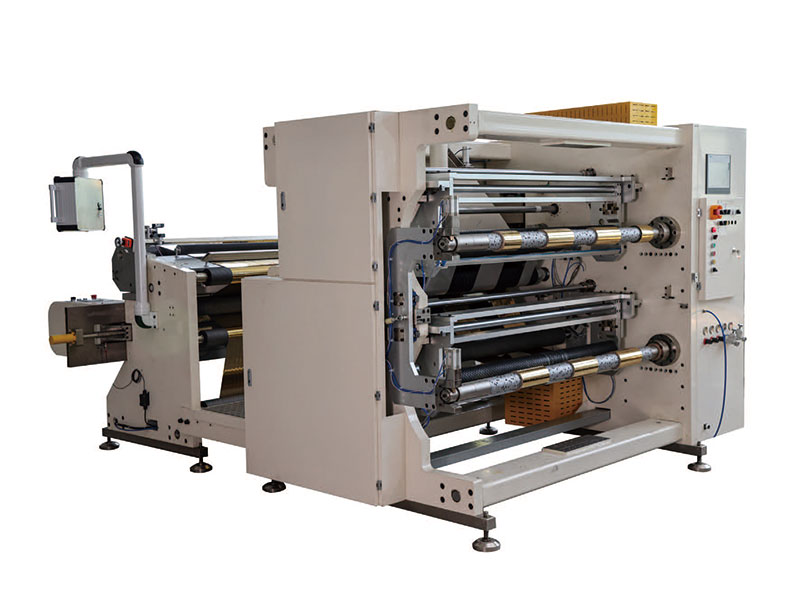 1400mm Hot Stamping Foil Slitting Machine
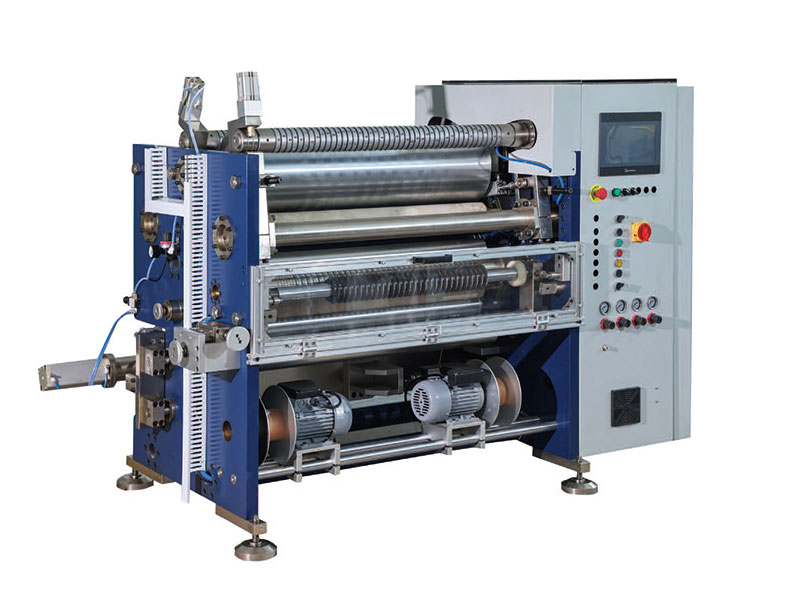 800mm Hot Stamping Foil Slitting Machine
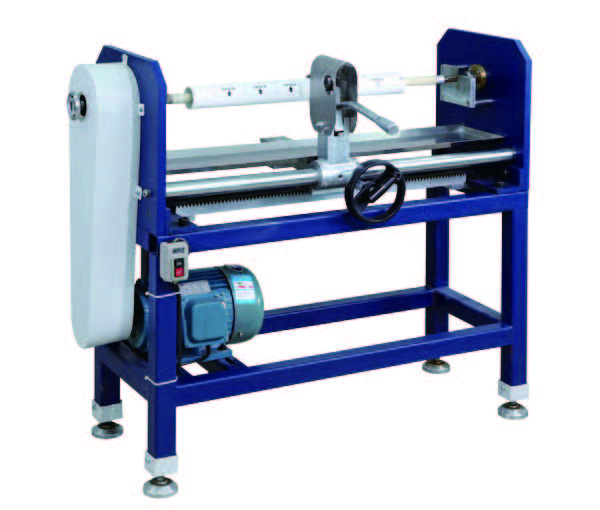 Manual Foil Roll Cutting Machine
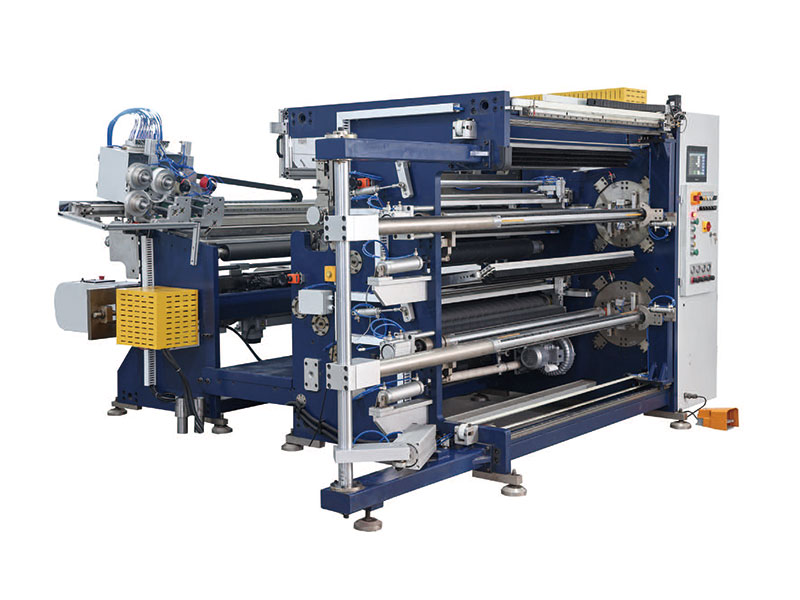 1350mm Hot Stamping Foil Slitting Machine
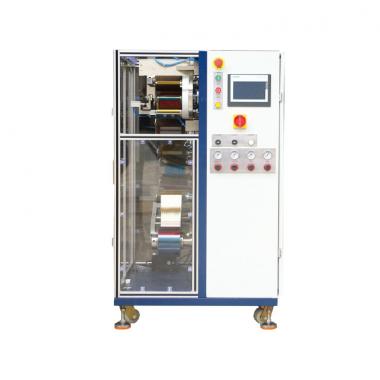 Photo & Card Print Ribbon Rewinding Machine
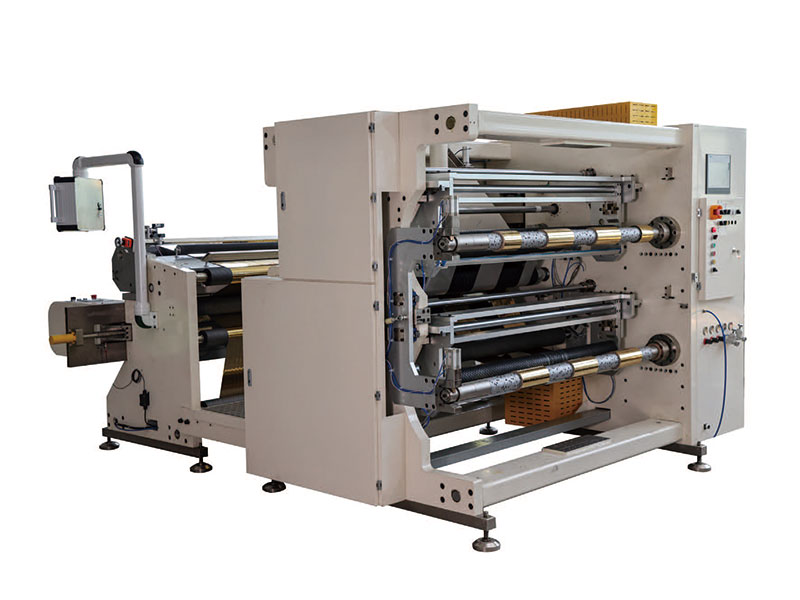 1400mm Copper Foil Slitting Machine
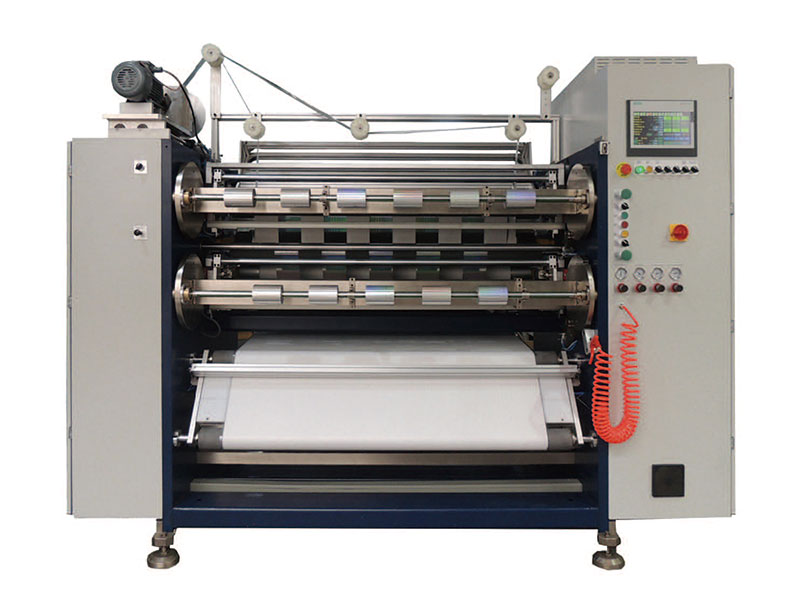 1350mm/1600 Foil Slitting Machine


 +86 135 9951 7291
 support@delishmachine.com