Introduction
In the packaging and printing industry, the hot stamping process is a key link in enhancing the added value and visual appeal of products. As the core equipment of the previous process, the operation stability of the hot stamping foil slitting machine directly affects the subsequent production efficiency and product quality. However, in actual production, problems such as frequent shutdown and maintenance, unstable slitting accuracy, and foil waste have long plagued enterprises. How to reduce downtime through systematic reliability improvement solutions has become an urgent technical and management issue in the industry.
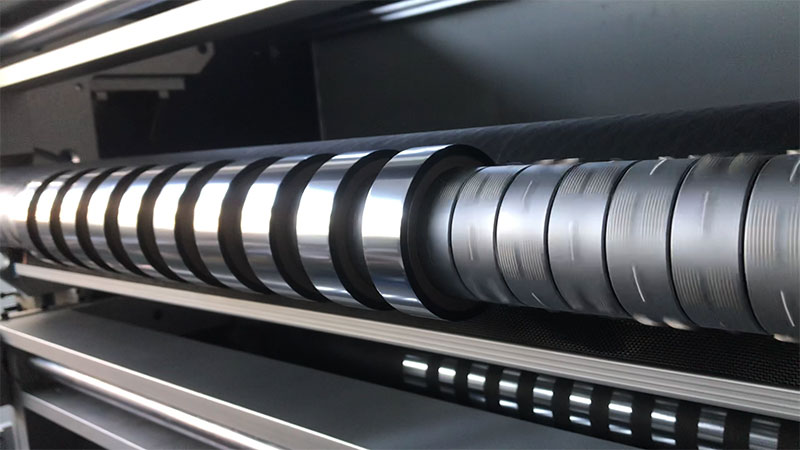
1. Analysis of common faults and downtime causes of hot stamping foil slitting machine
Through the survey of several packaging and printing companies, we found that the main reasons for the downtime of the hot stamping foil slitting machine include:
1. Mechanical System Issues: Reduced accuracy and equipment jamming due to worn slitting blades, bearing failures, and transmission system failures
2. Electrical control system failure: misoperation and shutdown caused by sensor failure, PLC program error, servo system instability, etc
3. Material adaptability issues: Hot stamping foil of different thicknesses and materials has different requirements for slitting parameters, and improper settings lead to broken foil and uneven cutting edges
4. Non-standard operation and maintenance: unexpected failures caused by lack of standard operating procedures and insufficient preventive maintenance
5. Influence of environmental factors: the cumulative impact of workshop temperature and humidity changes and dust pollution on equipment accuracy
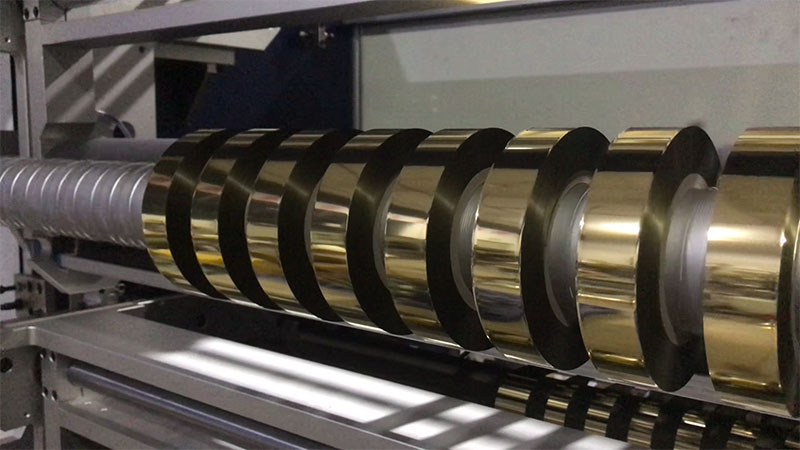
2. Comprehensive plan for reliability improvement
1. Mechanical system optimization scheme
Tool system upgrade: Nano-coated carbide inserts are used to extend the blade life by 40-50%. Introduce an automatic sharpening device to periodically micro-grind the blade during the operation of the equipment to keep the sharpness of the knife edge constant.
Bearing and transmission system improvement: Upgrade the rolling bearings in key parts to ceramic hybrid bearings to reduce the friction coefficient and temperature rise. The transmission system adds a tension adaptive adjustment device to monitor and adjust the foil tension in real time to reduce foil breakage caused by tension fluctuations.
Modular design: The wearing parts are designed as quick replacement modules, such as guide roller assemblies, pressure roller units, etc., so that the replacement time is shortened from the original 2-3 hours to within 30 minutes.
2. Intelligent control system upgrade
Multi-sensor fusion monitoring system: Install high-precision CCD vision sensors, laser rangefinders, and infrared temperature sensors to monitor slitting quality, equipment status, and process parameters in real time.
Adaptive Control Algorithms: Develop machine learning-based process parameter optimization systems that automatically adjust slitting speed, pressure, and tension parameters based on foil type, thickness, and environmental conditions.
Predictive maintenance platform: Collect equipment vibration, temperature, current and other data through IoT technology, use AI algorithms to predict the remaining life of components, and arrange maintenance time in advance to avoid sudden failures.
3. Material adaptability enhancement measures
Establish a database of hot stamping foil materials: collect the physical characteristics, slitting parameters and optimal process settings of various types of hot stamping foil to form an enterprise knowledge base.
Development of a quick changeover system: Design of standardized fixtures and parameter preset functions to reduce the changeover time of different foils by more than 60%.
Online quality inspection closed-loop control: Install a real-time slitting quality inspection system to automatically adjust slitting parameters to compensate for small changes in material properties.
4. Standardization of operation and maintenance system
Formulate detailed SOPs: Prepare standard operating procedures for the whole process from start-up preparation, daily operation to shutdown and maintenance, and reduce human error.
Establish a three-level maintenance system:
• Routine maintenance: cleaning, inspection, and simple adjustments by operators per shift
• Preventive maintenance: Scheduled component inspections, lubrication, and calibration by technicians
• Predictive maintenance: targeted maintenance activities based on monitoring data
Virtual Reality Training Systems: Develop AR/VR training modules to equip operators with equipment operation and troubleshooting skills without impacting production.
5. Environmental control and equipment protection
Local environmental control: Install temperature and humidity stabilization devices and air purification units in the slitting area to reduce the impact of environmental fluctuations on the slitting accuracy.
Protection upgrade: Key electrical components are equipped with dustproof and moisture-proof protective covers, and mechanical parts are added with anti-corrosion coatings.
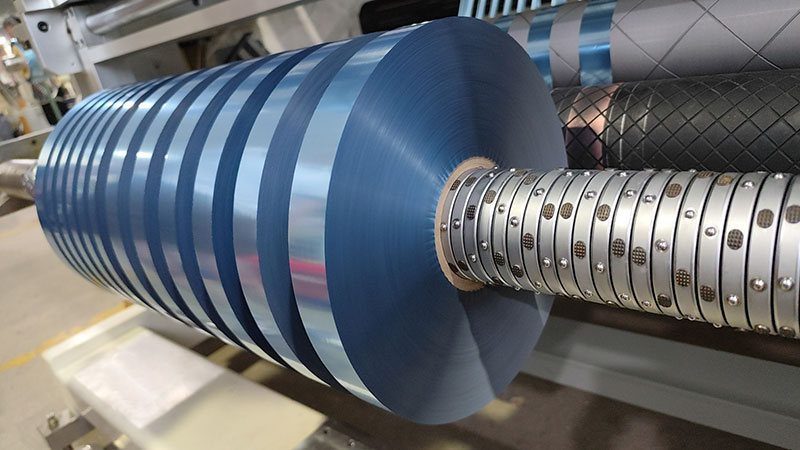
3. Implementation plan and expected effect
Implementation stage planning
The first stage (1-3 months): Fault data analysis and benchmark evaluation, and formulate detailed improvement plans
The second stage (4-9 months): mechanical and electrical system upgrades, control system transformation
The third stage (10-12 months): installation and commissioning of intelligent monitoring system, establishment of operation training system
The fourth stage (continuous): data collection and analysis, continuous optimization and improvement
Expected effect evaluation
1. Reduced downtime: Downtime for comprehensive failures is expected to be reduced by 65-75%, from an average of 15 hours per month to 4-5 hours
2. Production efficiency improvement: Equipment overall effectiveness (OEE) is expected to increase by 20-25%
3. Reduced material waste: Foil waste caused by slitting quality issues is reduced by more than 30%
4. Maintenance cost optimization: increase the proportion of preventive maintenance to 70%, and reduce emergency maintenance costs by 50%
5. Product quality improvement: the slitting accuracy is improved, and the defective rate of the hot stamping process is reduced by 40%
4. Sustainable improvement mechanism
Reliability improvement is not a one-time project, but a cycle of continuous improvement should be established:
1. Data-driven decision-making: Establish a full life cycle data platform for equipment and formulate optimization strategies based on data analysis
2. Cross-departmental collaboration team: Establish a reliability team composed of production, equipment, process, and quality personnel
3. Collaborative improvement of suppliers: Establish a joint improvement mechanism with equipment manufacturers and component suppliers
4. Industry benchmarking learning: Regularly communicate with advanced enterprises in the industry to introduce best practices
Epilogue
Reducing the downtime of the hot stamping foil slitting machine is a systematic project that needs to be coordinated from multiple dimensions such as equipment hardware, control system, operation and maintenance, and process management. By implementing the comprehensive improvement plan proposed in this article, companies can not only significantly reduce unplanned downtime and improve equipment utilization, but also gain a competitive advantage in product quality, cost control, and market responsiveness. Under the wave of digital transformation, upgrading traditional manufacturing equipment to intelligent and reliable production units has become a key step for packaging and printing enterprises to move towards intelligent manufacturing.
In the end, the improvement of equipment reliability is not only related to technical improvement, but also reflects the transformation of enterprises from "fire-fighting" maintenance to "preventive" management, from passive response to active optimization, which will become one of the core capabilities of enterprises to continue to develop in the fierce market competition.
 English
 Deutsch
 Français
 Español
 Português
 日本語
日本語 русский
 한국어
한국어 عربي
عربي ภาษาไทย
 Tiếng Việt
 Italiano
 Automatic Foil Roll Cutting Machine
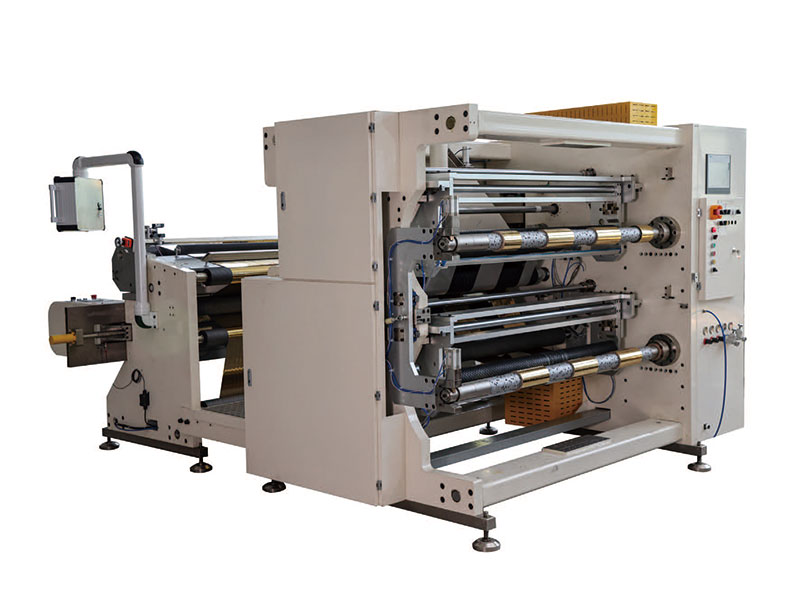 1400mm Hot Stamping Foil Slitting Machine
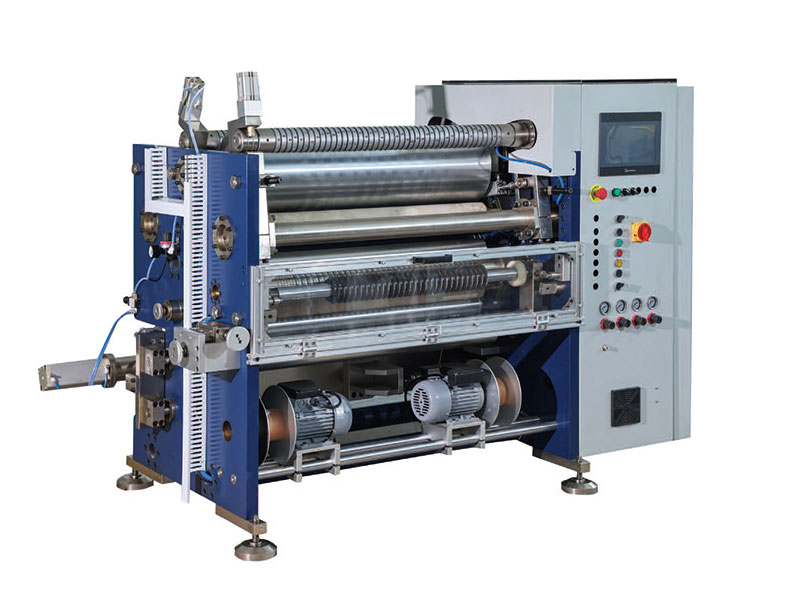 800mm Hot Stamping Foil Slitting Machine
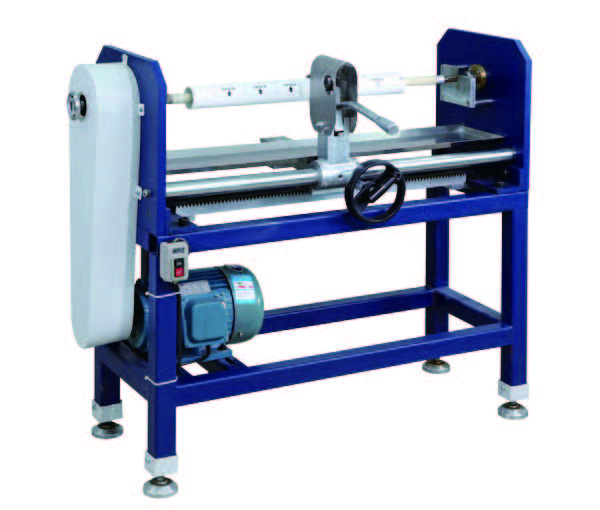 Manual Foil Roll Cutting Machine
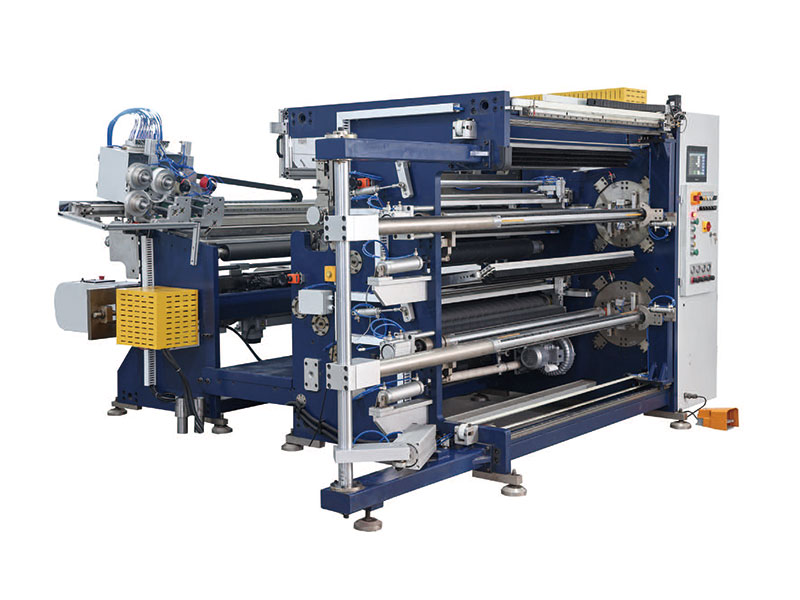 1350mm Hot Stamping Foil Slitting Machine
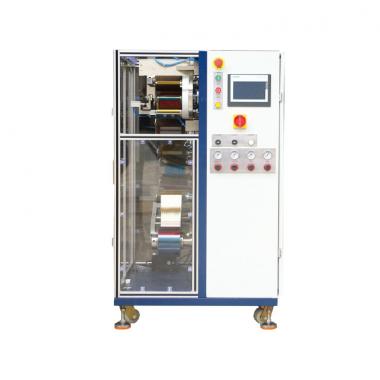 Photo & Card Print Ribbon Rewinding Machine
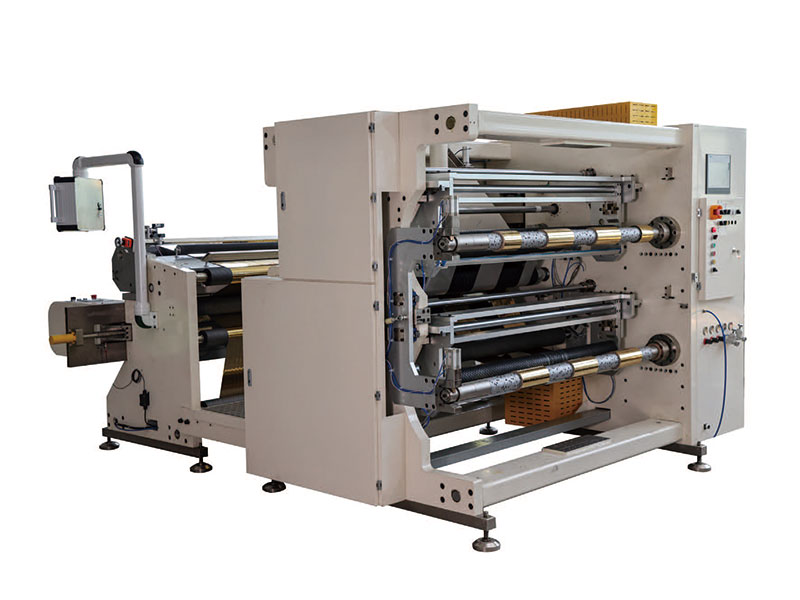 1400mm Copper Foil Slitting Machine
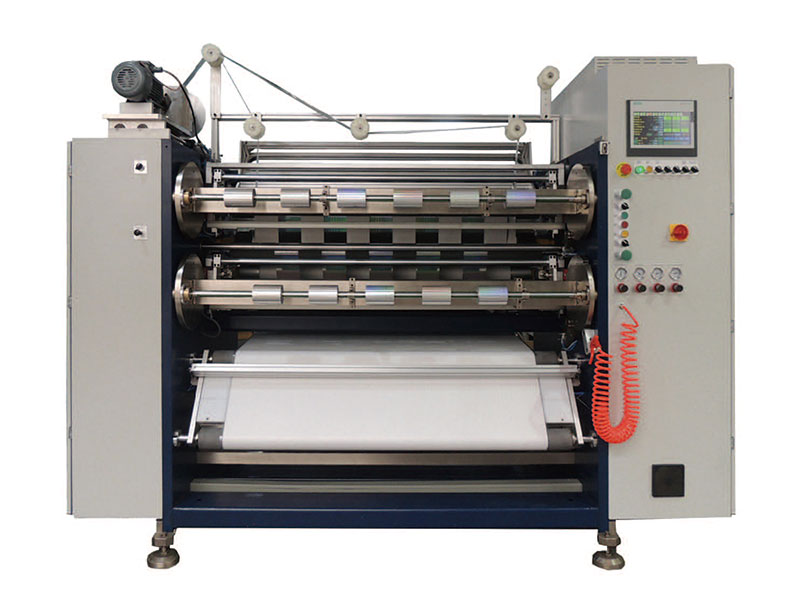 1350mm/1600 Foil Slitting Machine


 +86 135 9951 7291
 support@delishmachine.com